THE ADVENTURE COLLECTIVE® · Independent discovery and booking for outdoor travel

Ride the rattling bamboo train through paddy fields, visit French-era merchant houses, and watch millions of bats pour from Phnom Sampeau at sunset. This two-day Battambang tour blends hands-on local transport with cultural and wildlife highlights.
Ride the rattling bamboo train through paddy fields, visit French-era merchant houses, and watch millions of bats pour from Phnom Sampeau at sunset. This two-day Battambang tour blends hands-on local transport with cultural and wildlife highlights.
A low wooden platform slides over rails and the countryside unfurls: rice paddies patchworked with standing water, children darting between coconut palms, and a timeless rhythm that seems to slow the clock. The Bamboo Train — a hand‑made norry that rattles and hums — is the kind of local transport that turns a simple ride into a scene: wind pushing at your shirt, the engine’s clatter keeping time with the fields.
Verified experiences and guided adventures in the surrounding area.
Operated by Mr. Pov Battambang Amazing Tour · Battambang, Battambang Province
A low wooden platform slides over rails and the countryside unfurls: rice paddies patchworked with standing water, children darting between coconut palms, and a timeless rhythm that seems to slow the clock. The Bamboo Train — a hand‑made norry that rattles and hums — is the kind of local transport that turns a simple ride into a scene: wind pushing at your shirt, the engine’s clatter keeping time with the fields.
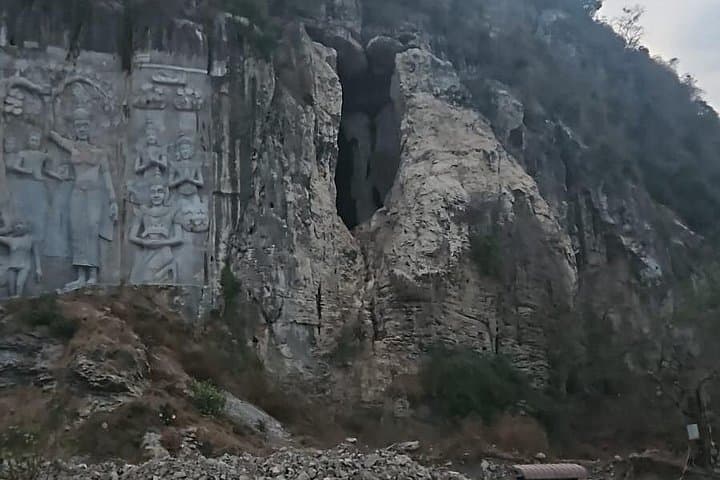
Battambang sits on a flat alluvial plain carved by the Sangker River and fringed by limestone outcrops like Phnom Sampeau, the bat cave whose evening exodus draws crowds. French colonial homes and wooden Khmer merchant houses mark a town shaped by trade and layered history — from Angkorian-era influence to colonial administration and contemporary agrarian life. The suspension bridge and small fishing villages show a community still tied to river cycles and seasonal rice harvests.
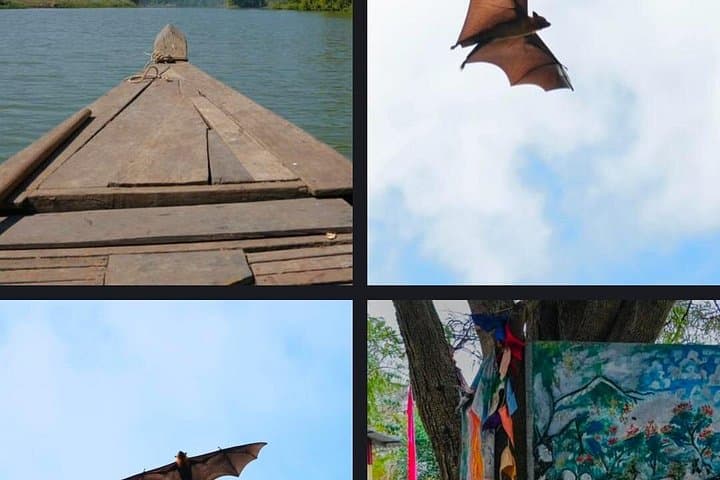
Expect easy, lightly active days: short drives by tuk‑tuk, brief walks through small villages, and a climb of several dozen steps at Phnom Sampeau to reach the cave and sunset viewpoints. Sensory highlights include the scrape of bamboo underfoot, the scent of wet earth during monsoon months, and the theatrical bat columns at dusk.
Practical guidance: travel light, bring sun protection and insect repellent, and carry small bills for entrance fees, local snacks, and tips. Plan the bat cave visit for late afternoon—arrive early to secure a viewing spot. Respect temple dress codes and local customs; guides provide context that deepens the ride from novelty into cultural encounter.
easy.
2 days (4–5 hours active per day).
Suitable for casual walkers and travelers in general health; short climbs and flat walking only
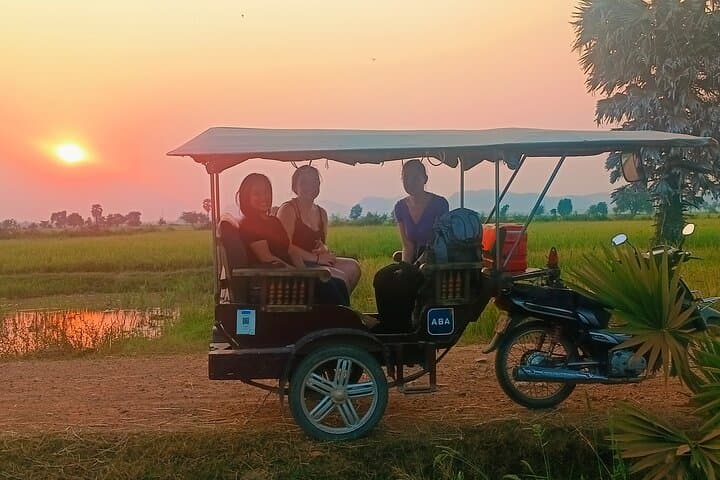
Yes — the tour uses a tuk‑tuk for local transfers and the iconic bamboo train ride is included where operated.
Some attractions (like the bat cave) may include admission; verify with the guide for what’s covered and bring small cash for any extras.
Yes — the tour is labeled easy and suitable for most fitness levels; families and older travelers should note there are short climbs and open platforms on the bamboo train.
Local guides commonly speak English; confirm language preference at booking if you require a specific language.
Battambang developed as a prosperous rice-exporting center with strong Khmer and colonial French influences, reflected in its merchant houses and town plan.
Seasonal farming and tourism both affect waterways and karst habitats; stick to marked paths, avoid feeding wildlife, and support local guides who follow low-impact practices.
Mr. Pov Battambang Amazing Tour operates guided outdoor trips and adventures with an emphasis on safety, stewardship, and memorable experiences.
A low wooden platform slides over rails and the countryside unfurls: rice paddies patchworked with standing water, children darting between coconut palms, and a timeless rhythm that seems to slow the clock. The Bamboo Train — a hand‑made norry that rattles and hums — is the kind of local transport that turns a simple ride into a scene: wind pushing at your shirt, the engine’s clatter keeping time with the fields.
A low wooden platform slides over rails and the countryside unfurls: rice paddies patchworked with standing water, children darting between coconut palms, and a timeless rhythm that seems to slow the clock. The Bamboo Train — a hand‑made norry that rattles and hums — is the kind of local transport that turns a simple ride into a scene: wind pushing at your shirt, the engine’s clatter keeping time with the fields.
Battambang sits on a flat alluvial plain carved by the Sangker River and fringed by limestone outcrops like Phnom Sampeau, the bat cave whose evening exodus draws crowds. French colonial homes and wooden Khmer merchant houses mark a town shaped by trade and layered history — from Angkorian-era influence to colonial administration and contemporary agrarian life. The suspension bridge and small fishing villages show a community still tied to river cycles and seasonal rice harvests.
Expect easy, lightly active days: short drives by tuk‑tuk, brief walks through small villages, and a climb of several dozen steps at Phnom Sampeau to reach the cave and sunset viewpoints. Sensory highlights include the scrape of bamboo underfoot, the scent of wet earth during monsoon months, and the theatrical bat columns at dusk.
Practical guidance: travel light, bring sun protection and insect repellent, and carry small bills for entrance fees, local snacks, and tips. Plan the bat cave visit for late afternoon—arrive early to secure a viewing spot. Respect temple dress codes and local customs; guides provide context that deepens the ride from novelty into cultural encounter.