THE ADVENTURE COLLECTIVE® · Independent discovery and booking for outdoor travel

Float down a slow, limestone-carved river on a bamboo raft, guided by local polers who know each bend. Expect gentle currents, shaded mangrove margins, and a riverside pause for a relaxed limestone “massage” and photos.
Float down a slow, limestone-carved river on a bamboo raft, guided by local polers who know each bend. Expect gentle currents, shaded mangrove margins, and a riverside pause for a relaxed limestone “massage” and photos.
The river opens like a slow invitation: a long bamboo raft glides away from a shaded bank, a local poler standing at the stern with practiced balance, and the air smells of wet limestone and mangrove. As the raft slips downstream you feel the current nudging the craft forward while the guide points out low cliffs, exposed limestone shelves and small side-channels where kingfishers dart.
Verified experiences and guided adventures in the surrounding area.
Operated by Cozy Harmony Tours · Montego Bay, St. James Parish
The river opens like a slow invitation: a long bamboo raft glides away from a shaded bank, a local poler standing at the stern with practiced balance, and the air smells of wet limestone and mangrove. As the raft slips downstream you feel the current nudging the craft forward while the guide points out low cliffs, exposed limestone shelves and small side-channels where kingfishers dart.
This stretch of western Jamaica sits on uplifted limestone and coral rock carved by freshwater over millennia; many rafting runs trace channels once used by indigenous Taino people and later by estate workers moving between plantations. The culture around river rafting is hands-on and local—the rafts, the poles and the rhythm of the trip are community traditions more than tourist theater. Guides often stop at shallow pools where smooth limestone has been worn rounded; operators advertise a light “limestone massage” here—sitting on warm stones while the current laps your feet is the usual, low-key offering.
Practicalities: trips run about 60–120 minutes, gentle current and stable rafts make this easy for most fitness levels and families; the operator provides private transport and often includes photos at stops. Wear water shoes or grippy sandals, bring reef-safe sunscreen, and use a dry bag for phones. If you want photos, let the guide know—many stops are staged briefly for shots. Expect intermittent sun and shade; the river can be higher and swifter during the rainy season, so confirm timing and cancellation terms. Tipping guides and drivers supports local crews and keeps these small operations sustainable.
easy.
1–2 hours.
Minimal fitness required—stable rafts and a seated ride make this suitable for families and most ages
Most outings run 60–120 minutes door-to-door for the rafting portion; total time including transport can vary depending on pickup location.
Yes—rafts are stable and the trip is low-impact; operators often note accessibility for all fitness levels, but supervise small children and check with the operator about infant seating.
Guides typically stop at smooth limestone shelves or shallow pools where you can sit and let flowing water and warm rock be a soothing, low-key foot-and-ankle experience rather than a formal spa treatment.
Many operators take photos at key stops or will pause the raft for pictures—ask ahead if you want guided photo opportunities or expect to tip the photographer.
The rivers of western Jamaica run through limestone formed from ancient coral; many channels were used during colonial times to access plantations and small ports, and rivercraft traditions reflect that working history.
Stick to established launch points, avoid single-use plastics, and follow guide instructions to minimize disturbance to bank vegetation and aquatic life; tipping helps sustain local guide livelihoods.
Cozy Harmony Tours operates guided outdoor trips and adventures with an emphasis on safety, stewardship, and memorable experiences.
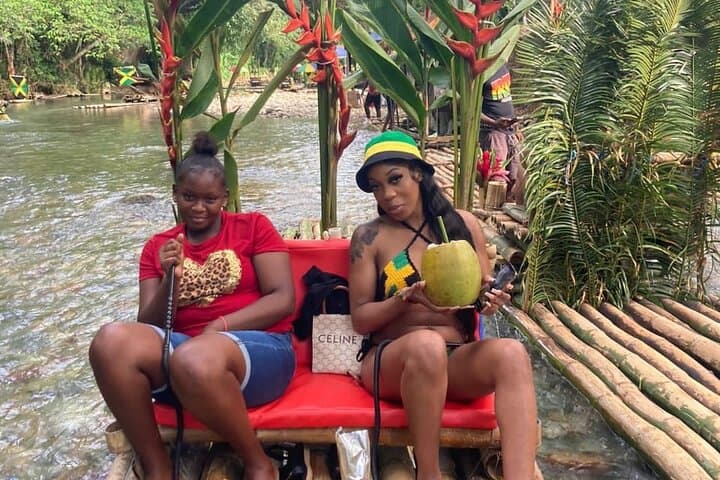

The river opens like a slow invitation: a long bamboo raft glides away from a shaded bank, a local poler standing at the stern with practiced balance, and the air smells of wet limestone and mangrove. As the raft slips downstream you feel the current nudging the craft forward while the guide points out low cliffs, exposed limestone shelves and small side-channels where kingfishers dart.
The river opens like a slow invitation: a long bamboo raft glides away from a shaded bank, a local poler standing at the stern with practiced balance, and the air smells of wet limestone and mangrove. As the raft slips downstream you feel the current nudging the craft forward while the guide points out low cliffs, exposed limestone shelves and small side-channels where kingfishers dart.
This stretch of western Jamaica sits on uplifted limestone and coral rock carved by freshwater over millennia; many rafting runs trace channels once used by indigenous Taino people and later by estate workers moving between plantations. The culture around river rafting is hands-on and local—the rafts, the poles and the rhythm of the trip are community traditions more than tourist theater. Guides often stop at shallow pools where smooth limestone has been worn rounded; operators advertise a light “limestone massage” here—sitting on warm stones while the current laps your feet is the usual, low-key offering.
Practicalities: trips run about 60–120 minutes, gentle current and stable rafts make this easy for most fitness levels and families; the operator provides private transport and often includes photos at stops. Wear water shoes or grippy sandals, bring reef-safe sunscreen, and use a dry bag for phones. If you want photos, let the guide know—many stops are staged briefly for shots. Expect intermittent sun and shade; the river can be higher and swifter during the rainy season, so confirm timing and cancellation terms. Tipping guides and drivers supports local crews and keeps these small operations sustainable.