THE ADVENTURE COLLECTIVE® · Independent discovery and booking for outdoor travel

Snowshoe through wintry forest to a bamboo ice cave near Noboribetsu, where frozen bamboo and steam-sculpted ice create striking photo opportunities. This guided half-day tour includes gear, a hot lunch, and local transport for a stress-free winter outing.
Snowshoe through wintry forest to a bamboo ice cave near Noboribetsu, where frozen bamboo and steam-sculpted ice create striking photo opportunities. This guided half-day tour includes gear, a hot lunch, and local transport for a stress-free winter outing.
A low, cold hush meets you before the trail opens: silver birch branches dusted with new snow, the forest floor muffled as if the world is holding its breath. Your guide tightens your snowshoes, points down a narrow track where bamboo stalks, frozen in sculpted curtains of ice, catch the low winter light like translucent ribs. The air smells of frost and hot tea waiting at midday.
Verified experiences and guided adventures in the surrounding area.
Operated by Nobo Tours · Noboribetsu, Hokkaido
A low, cold hush meets you before the trail opens: silver birch branches dusted with new snow, the forest floor muffled as if the world is holding its breath. Your guide tightens your snowshoes, points down a narrow track where bamboo stalks, frozen in sculpted curtains of ice, catch the low winter light like translucent ribs. The air smells of frost and hot tea waiting at midday.
This short expedition threads through volcanic terrain shaped by Hokkaido’s restless geology: sulfurous Noboribetsu and its nearby valleys are carved by steam vents and past eruptions, and winter’s freeze turns seepage and bamboo into crystalline formations. Culturally, the area blends Ainu heritage with onsen-town traditions—locals long used the landscape’s thermal quirks for healing and food preparation.
Expect roughly 4–6 km of forest trail round-trip with 150–250 m cumulative elevation gain over deep snow, crossing small streams and snow bridges that demand attention and steady footing. The route is guided for safety and interpretation; frequent stops let you photograph the ice ribs and listen to the forest’s subdued sounds.
Practical guidance: dress in insulated, waterproof layers and wear sturdy boots; gaiters and snowshoes are provided. Start early to catch clean light and quieter trails; carry an insulated water bottle and extra hand protection for camera handling. Follow the guide’s crossing techniques on snow bridges and stream fords, and allow for slower progress—deep snow turns a short distance into a workout. Finish warmed by a sandwich and hot drink, and you’ll carry a clear memory of ice-made bamboo that seems to move when the sun shifts.
moderate.
5–6 hours.
Suitable for travelers with a moderate level of fitness who can hike on uneven, snow-covered terrain for several hours.
Yes—snowshoes, poles and gaiters are provided by the operator and fitted before the walk.
The trail is moderate: expect several hours of walking over deep snow with modest elevation gain; a moderate fitness level is recommended.
Yes—round-trip pick-up and drop-off from Noboribetsu is included to simplify logistics.
Beginners can join; guides offer instruction and pace the group, but participants should be comfortable walking in winter conditions.
Noboribetsu sits on volcanic ground used historically for hot springs and local Ainu traditions; winter ice features form where groundwater meets cold air on bamboo riparian zones.
Stick to established tracks to protect fragile winter vegetation under the snow and avoid breaking ice formations; guides minimize group impact and brief visitors on low-impact practices.
Nobo Tours operates guided outdoor trips and adventures with an emphasis on safety, stewardship, and memorable experiences.
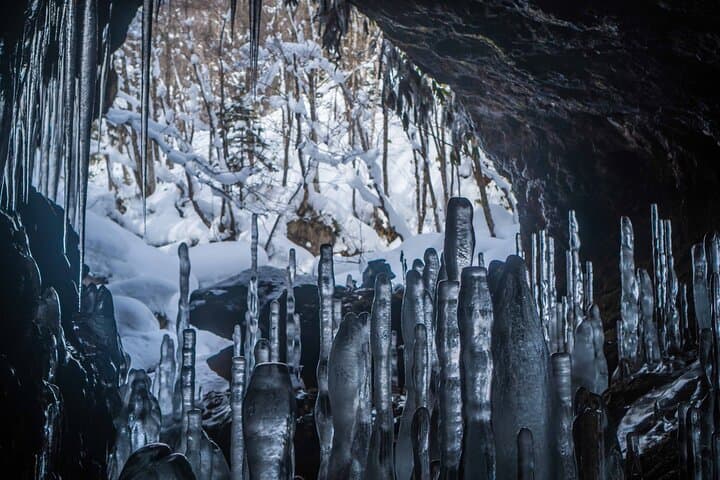
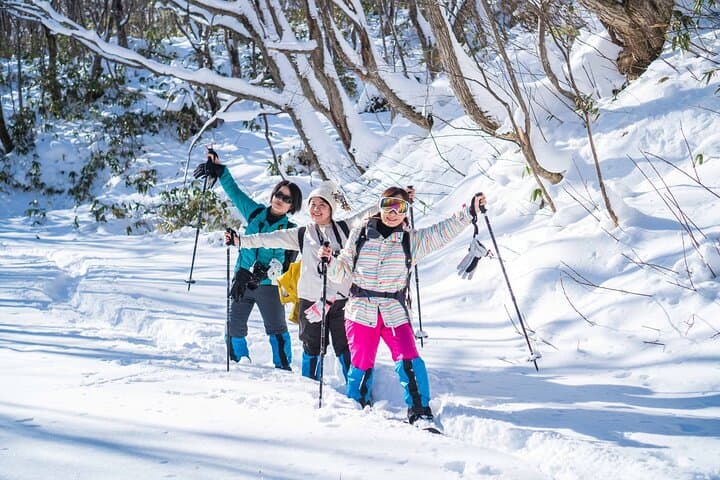
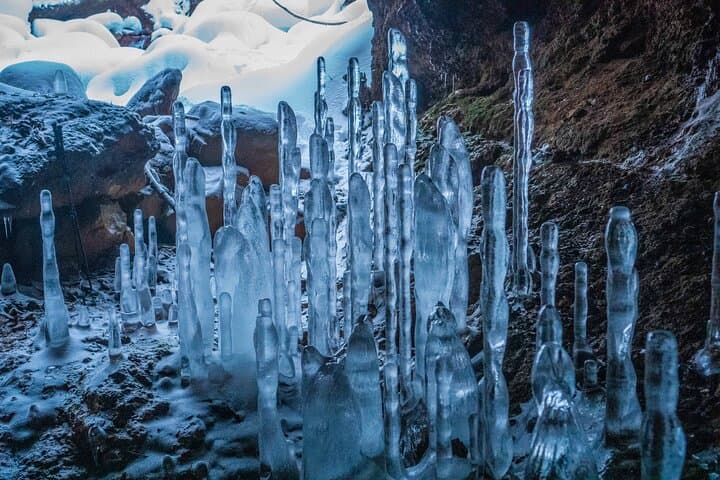
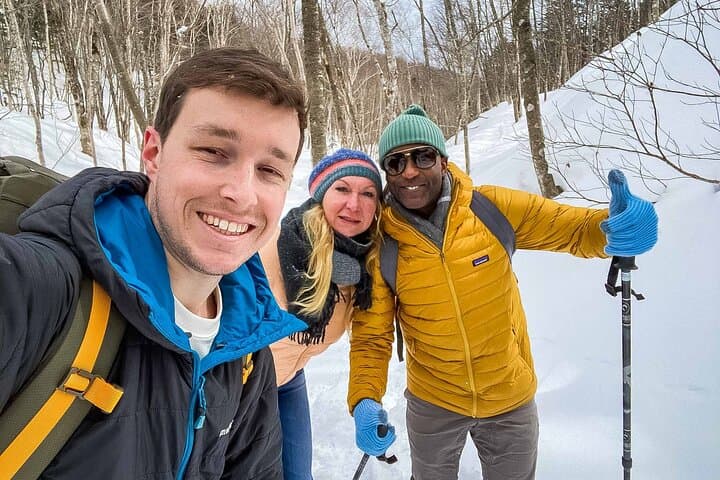
A low, cold hush meets you before the trail opens: silver birch branches dusted with new snow, the forest floor muffled as if the world is holding its breath. Your guide tightens your snowshoes, points down a narrow track where bamboo stalks, frozen in sculpted curtains of ice, catch the low winter light like translucent ribs. The air smells of frost and hot tea waiting at midday.
A low, cold hush meets you before the trail opens: silver birch branches dusted with new snow, the forest floor muffled as if the world is holding its breath. Your guide tightens your snowshoes, points down a narrow track where bamboo stalks, frozen in sculpted curtains of ice, catch the low winter light like translucent ribs. The air smells of frost and hot tea waiting at midday.
This short expedition threads through volcanic terrain shaped by Hokkaido’s restless geology: sulfurous Noboribetsu and its nearby valleys are carved by steam vents and past eruptions, and winter’s freeze turns seepage and bamboo into crystalline formations. Culturally, the area blends Ainu heritage with onsen-town traditions—locals long used the landscape’s thermal quirks for healing and food preparation.
Expect roughly 4–6 km of forest trail round-trip with 150–250 m cumulative elevation gain over deep snow, crossing small streams and snow bridges that demand attention and steady footing. The route is guided for safety and interpretation; frequent stops let you photograph the ice ribs and listen to the forest’s subdued sounds.
Practical guidance: dress in insulated, waterproof layers and wear sturdy boots; gaiters and snowshoes are provided. Start early to catch clean light and quieter trails; carry an insulated water bottle and extra hand protection for camera handling. Follow the guide’s crossing techniques on snow bridges and stream fords, and allow for slower progress—deep snow turns a short distance into a workout. Finish warmed by a sandwich and hot drink, and you’ll carry a clear memory of ice-made bamboo that seems to move when the sun shifts.