THE ADVENTURE COLLECTIVE® · Independent discovery and booking for outdoor travel

Walk the Inner Harbor with a guide who connects Baltimore’s waterfront statues to the city’s maritime, immigrant, and civic history. This 90-minute tour covers accessible plazas and waterfront promenades with stops for context and reflection.
Walk the Inner Harbor with a guide who connects Baltimore’s waterfront statues to the city’s maritime, immigrant, and civic history. This 90-minute tour covers accessible plazas and waterfront promenades with stops for context and reflection.
A late-morning breeze off the Inner Harbor moves through the plazas and across bronze faces, nudging you from one monument to the next. The tour begins in the visitors center lobby, then threads along waterfront promenades and civic plazas where statues pull stories out of the city’s stone and metal — religious figures, war heroes, and civic leaders set against the slow arc of shipping cranes and glass.
Verified experiences and guided adventures in the surrounding area.
Operated by I Love Baltimore Personal Tours · Baltimore, Maryland
A late-morning breeze off the Inner Harbor moves through the plazas and across bronze faces, nudging you from one monument to the next. The tour begins in the visitors center lobby, then threads along waterfront promenades and civic plazas where statues pull stories out of the city’s stone and metal — religious figures, war heroes, and civic leaders set against the slow arc of shipping cranes and glass.
Baltimore’s monuments reflect its maritime economy, immigrant communities, and 19th–20th century civic growth. Rock and bronze here mark moments from naval history to religious significance; the tour’s endpoint at the statue of Pope John Paul II anchors a chapter of post-war community identity. Geologically the harbor sits where the Patapsco River widens into a tidal basin, and the city’s streets step up from that tidal plain toward the older rowhouse grids of Mount Vernon and Federal Hill.
Expect measured walking on sidewalks and paved promenades with a few short inclines and steps—this is urban terrain, not wilderness; the tour lasts about 90 minutes and moves at a reflective pace, stopping to interpret plaques and context.
Practical guidance: bring supportive shoes, a small water bottle, and a light layer for wind off the water. Mornings are cooler and quieter; afternoons are busier with harbor traffic and foot traffic. Photography is straightforward but be respectful at memorial sites. The guide frames civic history without glorification; visitors should come ready to listen, observe plaque text, and leave room for local perspectives about contested monuments and evolving public memory.
easy.
1–1.5 hours.
Suitable for people who can walk steadily for 90 minutes with occasional stops; moderate mobility required for some curb cuts and short stair sections.
The tour lasts about 90 minutes and begins at the Baltimore Visitors Center in the Inner Harbor lobby.
Much of the route is on paved promenades and sidewalks; some curb cuts and short ramps exist, but contact the operator ahead for specific accessibility accommodations.
This tour is typically offered in English; inquire with the operator in advance about multilingual guides or private arrangements.
For a full refund cancel at least 24 hours before departure; tours may be canceled for bad weather and will be refunded according to the operator’s policy.
Baltimore’s public monuments chart civic power, maritime trade, and waves of immigration from the 19th century onward, with many statues added in boom eras of public park and plaza building.
City conservancies and historical commissions maintain plaques and statuary; visitors are encouraged to follow site rules, avoid touching fragile surfaces, and support local preservation efforts.
I Love Baltimore Personal Tours operates guided outdoor trips and adventures with an emphasis on safety, stewardship, and memorable experiences.
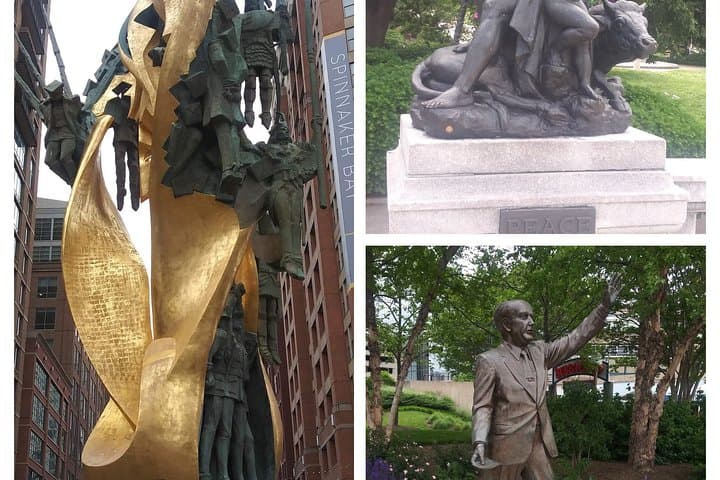
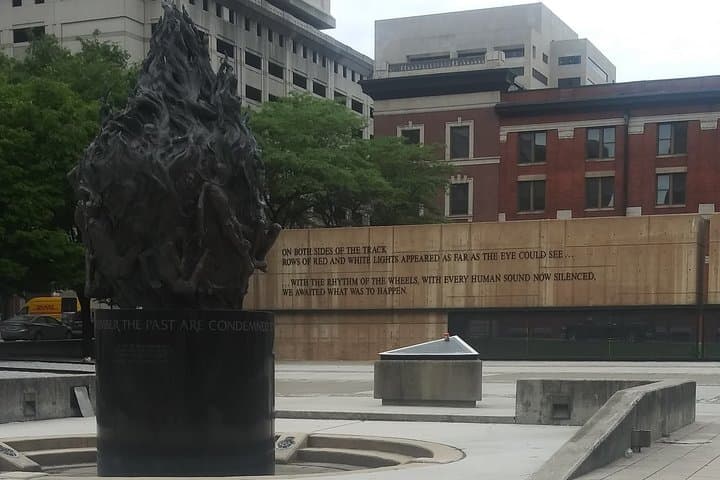
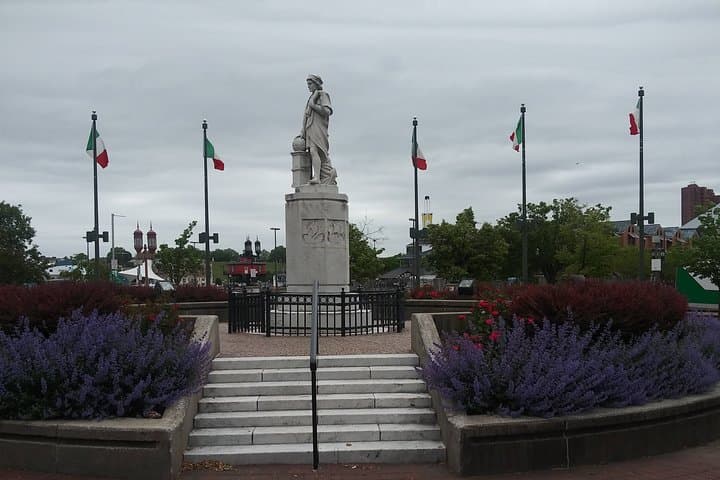
A late-morning breeze off the Inner Harbor moves through the plazas and across bronze faces, nudging you from one monument to the next. The tour begins in the visitors center lobby, then threads along waterfront promenades and civic plazas where statues pull stories out of the city’s stone and metal — religious figures, war heroes, and civic leaders set against the slow arc of shipping cranes and glass.
A late-morning breeze off the Inner Harbor moves through the plazas and across bronze faces, nudging you from one monument to the next. The tour begins in the visitors center lobby, then threads along waterfront promenades and civic plazas where statues pull stories out of the city’s stone and metal — religious figures, war heroes, and civic leaders set against the slow arc of shipping cranes and glass.
Baltimore’s monuments reflect its maritime economy, immigrant communities, and 19th–20th century civic growth. Rock and bronze here mark moments from naval history to religious significance; the tour’s endpoint at the statue of Pope John Paul II anchors a chapter of post-war community identity. Geologically the harbor sits where the Patapsco River widens into a tidal basin, and the city’s streets step up from that tidal plain toward the older rowhouse grids of Mount Vernon and Federal Hill.
Expect measured walking on sidewalks and paved promenades with a few short inclines and steps—this is urban terrain, not wilderness; the tour lasts about 90 minutes and moves at a reflective pace, stopping to interpret plaques and context.
Practical guidance: bring supportive shoes, a small water bottle, and a light layer for wind off the water. Mornings are cooler and quieter; afternoons are busier with harbor traffic and foot traffic. Photography is straightforward but be respectful at memorial sites. The guide frames civic history without glorification; visitors should come ready to listen, observe plaque text, and leave room for local perspectives about contested monuments and evolving public memory.