THE ADVENTURE COLLECTIVE® · Independent discovery and booking for outdoor travel

Learn to make pappardelle from scratch at a local Baltimore brewery with Chef Jesse. This two-hour, hands-on class pairs practical pasta technique with the city’s craft-beer vibe—bring curiosity and closed-toe shoes.
Learn to make pappardelle from scratch at a local Baltimore brewery with Chef Jesse. This two-hour, hands-on class pairs practical pasta technique with the city’s craft-beer vibe—bring curiosity and closed-toe shoes.
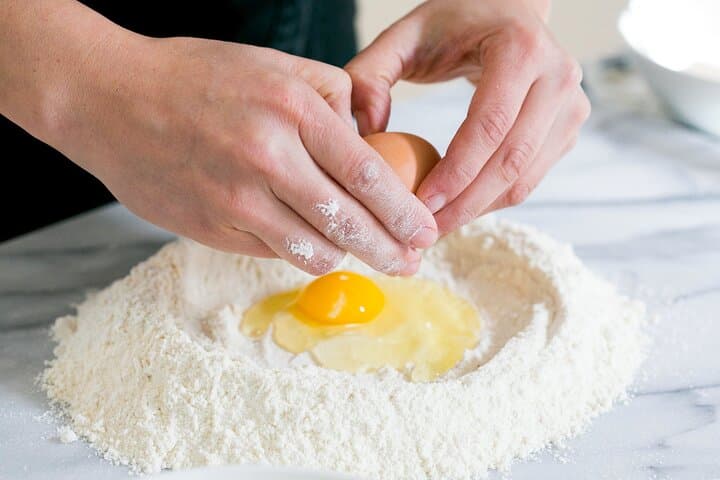
You push through the brewery door and warm air carries mash and garlic—fermenting barrels hum like a distant chorus while a long slab of stainless steel becomes your workspace. Under Chef Jesse’s guidance the room simplifies: flour, eggs, forearms at work, and a communal rhythm of rolling pins and laughter.
Verified experiences and guided adventures in the surrounding area.
Operated by Classpop! · Baltimore, Maryland
You push through the brewery door and warm air carries mash and garlic—fermenting barrels hum like a distant chorus while a long slab of stainless steel becomes your workspace. Under Chef Jesse’s guidance the room simplifies: flour, eggs, forearms at work, and a communal rhythm of rolling pins and laughter.
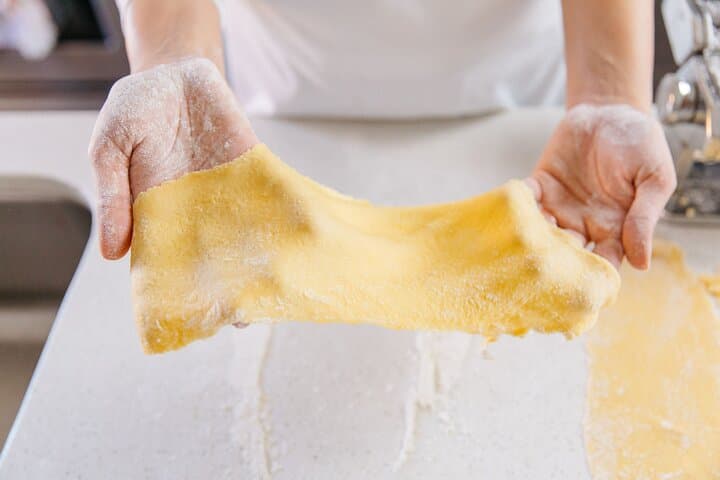
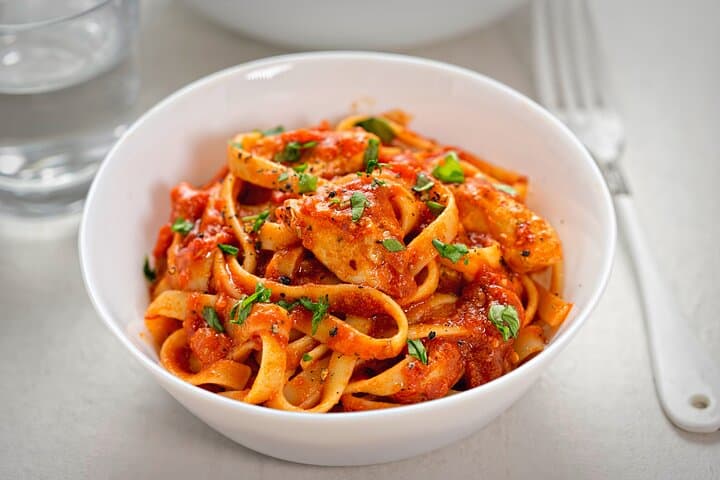
Baltimore’s food scene is shaped by immigrant cooks and working-class taverns; tonight’s lesson follows that practical lineage. The class teaches classic Italian pasta technique—semolina and egg to a pliable dough, hand-rolled pappardelle, and a roasted garlic tomato sauce—while the brewery’s taps anchor the experience in Baltimore’s modern craft-beer revival. Geology and port history are never far: the city’s position on the Patapsco and proximity to the Chesapeake Bay made it a hub for grain and trade that fed both ovens and brewhouses.
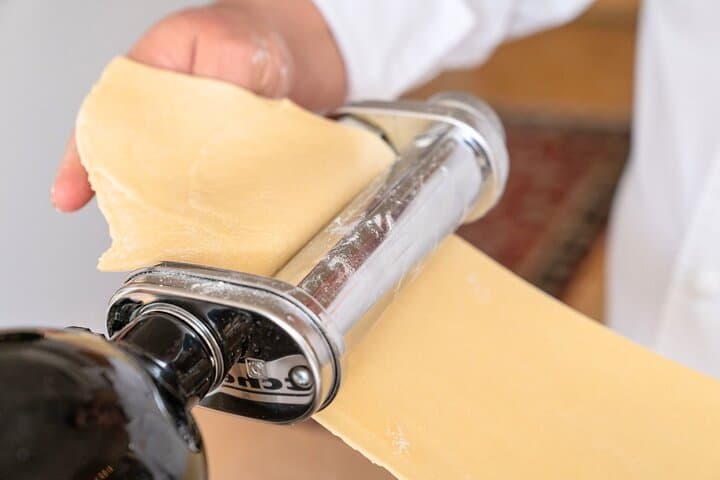
Expect hands-on instruction, individual stations, and a finished plate you made yourself. The pacing is deliberate: knead until smooth, rest, then roll and cut. The brewery setting means limited seating and beer for purchase; classes are social and accessible for novices.
Practical notes: arrive 10 minutes early, come in closed-toe shoes, and alert hosts to dietary needs ahead of time. Bring a small notebook or phone for recipe photos and plan for about two hours. This class is as much about skill-building as it is about conviviality—an urban culinary workshop that hands you a technique you’ll use beyond the barroom lights.
easy.
2 hours.
Minimal physical exertion required—basic standing and light manual work; suitable for most adults.
No—this class is designed for beginners and home cooks; the chef walks you through each step from mixing to cutting.
Yes—locally brewed craft beer is available for purchase at the venue; check ID requirements for alcohol service.
Yes—the venue reports wheelchair-accessible surfaces and transportation; notify hosts of accessibility needs when booking.
The host can accommodate many dietary needs if informed in advance—use the booking questions to list allergies or preferences.
Baltimore’s brewing and baking roots grew from its port economy; grain shipments from the Chesapeake region supported both 19th-century mills and neighborhood breweries.
Many Baltimore breweries and food programs now emphasize local sourcing and composting; participants can support sustainability by minimizing food waste and using provided recycling and compost bins.
Classpop! operates guided outdoor trips and adventures with an emphasis on safety, stewardship, and memorable experiences.
You push through the brewery door and warm air carries mash and garlic—fermenting barrels hum like a distant chorus while a long slab of stainless steel becomes your workspace. Under Chef Jesse’s guidance the room simplifies: flour, eggs, forearms at work, and a communal rhythm of rolling pins and laughter.
You push through the brewery door and warm air carries mash and garlic—fermenting barrels hum like a distant chorus while a long slab of stainless steel becomes your workspace. Under Chef Jesse’s guidance the room simplifies: flour, eggs, forearms at work, and a communal rhythm of rolling pins and laughter.
Baltimore’s food scene is shaped by immigrant cooks and working-class taverns; tonight’s lesson follows that practical lineage. The class teaches classic Italian pasta technique—semolina and egg to a pliable dough, hand-rolled pappardelle, and a roasted garlic tomato sauce—while the brewery’s taps anchor the experience in Baltimore’s modern craft-beer revival. Geology and port history are never far: the city’s position on the Patapsco and proximity to the Chesapeake Bay made it a hub for grain and trade that fed both ovens and brewhouses.
Expect hands-on instruction, individual stations, and a finished plate you made yourself. The pacing is deliberate: knead until smooth, rest, then roll and cut. The brewery setting means limited seating and beer for purchase; classes are social and accessible for novices.
Practical notes: arrive 10 minutes early, come in closed-toe shoes, and alert hosts to dietary needs ahead of time. Bring a small notebook or phone for recipe photos and plan for about two hours. This class is as much about skill-building as it is about conviviality—an urban culinary workshop that hands you a technique you’ll use beyond the barroom lights.