THE ADVENTURE COLLECTIVE® · Independent discovery and booking for outdoor travel

Walk Fells Point by lantern light and hear the maritime-era stories that turned taverns, cemeteries, and rowhouses into Baltimore's most persistent ghost stories. This one-mile evening tour mixes archival research with local lore for a compact, atmospheric introduction to the city's haunted corners.
Walk Fells Point by lantern light and hear the maritime-era stories that turned taverns, cemeteries, and rowhouses into Baltimore's most persistent ghost stories. This one-mile evening tour mixes archival research with local lore for a compact, atmospheric introduction to the city's haunted corners.
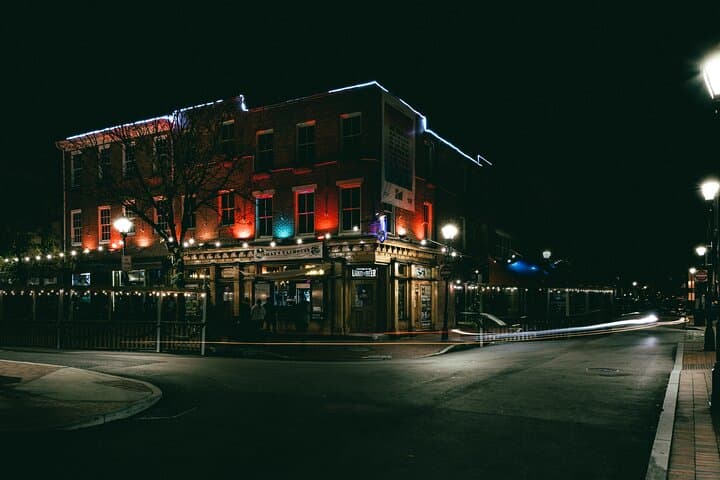
A lantern bobbing against a wet cobblestone, the harbor breathing salt and diesel, and a guide who knows when a laugh is really a whisper — the Fells Point ghost walk starts like that: low, immediate, and a little bracing. You step off Broadway Square and the streetlights thin, revealing brick facades that still hold the smell of tar, rum, and old stories.
Verified experiences and guided adventures in the surrounding area.
Operated by Baltimore Ghosts By Us Ghost Adventures · Baltimore, Maryland
A lantern bobbing against a wet cobblestone, the harbor breathing salt and diesel, and a guide who knows when a laugh is really a whisper — the Fells Point ghost walk starts like that: low, immediate, and a little bracing. You step off Broadway Square and the streetlights thin, revealing brick facades that still hold the smell of tar, rum, and old stories.
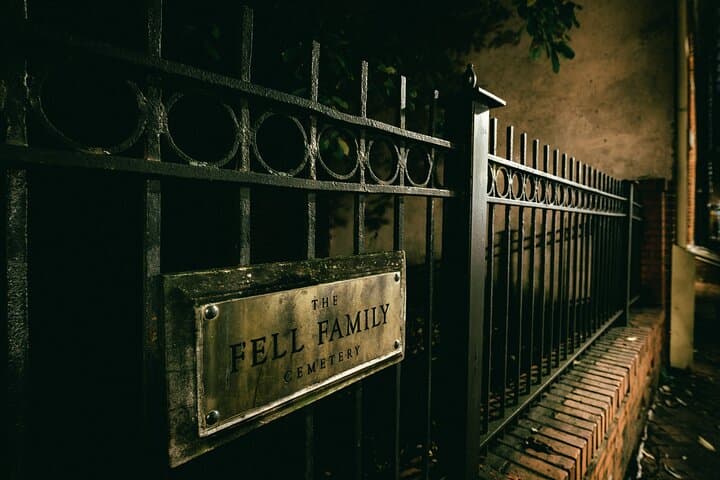
Fells Point was a 18th-century shipbuilding hub on the Patapsco River; its narrow alleys and rowhouses are products of that maritime economy. The tour routes past taverns whose basements once stored ballast and bodies, and a small family cemetery that keeps quiet histories just beyond the tourist maps. Edgar Allan Poe threads through local lore, and late-night saloons like The Horse You Came In On and Max's Taphouse are practical waypoints where colonial-era architecture meets modern music and ghost stories.
Expect a one-mile loop on mostly paved historical streets with uneven cobbles and occasional steps. Guides deliver researched accounts—some archival, some oral—and point out architectural clues that explain why buildings gather legends. The evening chill makes layers useful; a small flashlight helps for stairwells and plaques. Be prepared to respect private property and active businesses: many stops are viewed from the sidewalk.
Practical: arrive 10–15 minutes early at Broadway Square, wear grippy shoes, and charge your phone for photos. If crowds or narrow alleys are an issue, contact the operator ahead; tours are wheelchair accessible but the terrain can include cobbles and curbs. Whether you believe in ghosts or prefer social history, this walk reads the city as a living archive where the past keeps speaking.
easy.
1 hour.
Should be able to stand and walk on uneven, historic paving for about an hour; moderate mobility recommended.
Yes—operators state the route is wheelchair accessible, though cobblestones and curbs may present uneven surfaces; contact the provider ahead to discuss accommodations.
Infants and small children in strollers are allowed, but content and evening timing may be unsettling for young kids; parental discretion advised.
Tours operate rain or shine; check cancellation policy when booking—full refunds are typically available if you cancel more than 24 hours in advance.
Meet at the north end of Broadway Square, across from Max's Taphouse (737 S Broadway) on the corner of Lancaster St and S Broadway; guides wear a black US Ghost Adventures t-shirt and carry a lantern.
Fells Point grew as an Atlantic shipbuilding and mercantile neighborhood in the late 1700s; its surviving buildings record Baltimore's maritime and immigrant histories and are central to many ghost stories tied to sailors and taverns.
Walks pass sensitive historic fabric and small cemeteries—respect barriers, avoid touching fragile masonry, and support local preservation by following guide instructions.
Baltimore Ghosts By Us Ghost Adventures operates guided outdoor trips and adventures with an emphasis on safety, stewardship, and memorable experiences.


A lantern bobbing against a wet cobblestone, the harbor breathing salt and diesel, and a guide who knows when a laugh is really a whisper — the Fells Point ghost walk starts like that: low, immediate, and a little bracing. You step off Broadway Square and the streetlights thin, revealing brick facades that still hold the smell of tar, rum, and old stories.
A lantern bobbing against a wet cobblestone, the harbor breathing salt and diesel, and a guide who knows when a laugh is really a whisper — the Fells Point ghost walk starts like that: low, immediate, and a little bracing. You step off Broadway Square and the streetlights thin, revealing brick facades that still hold the smell of tar, rum, and old stories.
Fells Point was a 18th-century shipbuilding hub on the Patapsco River; its narrow alleys and rowhouses are products of that maritime economy. The tour routes past taverns whose basements once stored ballast and bodies, and a small family cemetery that keeps quiet histories just beyond the tourist maps. Edgar Allan Poe threads through local lore, and late-night saloons like The Horse You Came In On and Max's Taphouse are practical waypoints where colonial-era architecture meets modern music and ghost stories.
Expect a one-mile loop on mostly paved historical streets with uneven cobbles and occasional steps. Guides deliver researched accounts—some archival, some oral—and point out architectural clues that explain why buildings gather legends. The evening chill makes layers useful; a small flashlight helps for stairwells and plaques. Be prepared to respect private property and active businesses: many stops are viewed from the sidewalk.
Practical: arrive 10–15 minutes early at Broadway Square, wear grippy shoes, and charge your phone for photos. If crowds or narrow alleys are an issue, contact the operator ahead; tours are wheelchair accessible but the terrain can include cobbles and curbs. Whether you believe in ghosts or prefer social history, this walk reads the city as a living archive where the past keeps speaking.