THE ADVENTURE COLLECTIVE® · Independent discovery and booking for outdoor travel

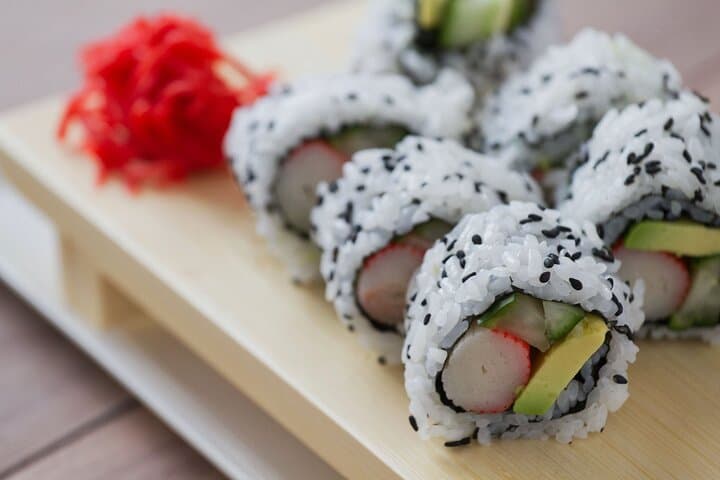
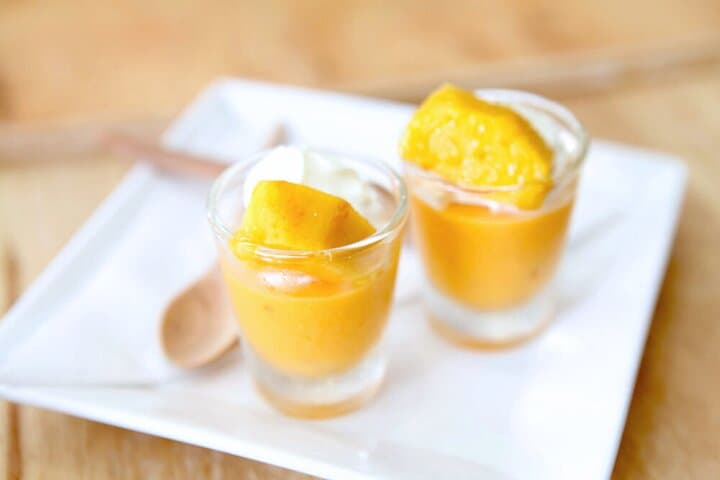
Sharpen knife skills and roll your own California roll in a two-hour, hands-on Asian fusion class in Baltimore. Learn sushi rice secrets, stir-fry technique for chicken fried rice, and finish with coconut mango mousse.
Sharpen knife skills and roll your own California roll in a two-hour, hands-on Asian fusion class in Baltimore. Learn sushi rice secrets, stir-fry technique for chicken fried rice, and finish with coconut mango mousse.
You push open the door to a compact Baltimore kitchen and the first scents are warm soy and toasted sesame — sharp, familiar, inviting. Steady hands at the prep table, a chef demonstrates the angle of a knife, then invites you forward: tonight you make rice worth returning for. The room hums with conversation, the clack of chopsticks, and the quiet hiss of a pan searing chicken fried rice.
Verified experiences and guided adventures in the surrounding area.
Operated by Cozymeal Cooking Classes · Baltimore, Maryland
You push open the door to a compact Baltimore kitchen and the first scents are warm soy and toasted sesame — sharp, familiar, inviting. Steady hands at the prep table, a chef demonstrates the angle of a knife, then invites you forward: tonight you make rice worth returning for. The room hums with conversation, the clack of chopsticks, and the quiet hiss of a pan searing chicken fried rice.
Baltimore’s food culture has long fused seafaring heritage with immigrant kitchens; here that legacy meets contemporary Asian techniques. The Chesapeake’s proximity softens into the evening’s menu — sushi rice balanced with acidity, and an approachable fusion of Japanese rolling and street-food flavors.
Geologically the city sits at the fall line where the Piedmont gives way to the Atlantic coastal plain; its harbor shaped a mercantile palate that welcomed new ingredients and ideas. Culturally, the class reflects Baltimore’s hands-on hospitality: local chefs who learned in restaurants and home kitchens teach practical skills — knife angle, rice tempering, rolling technique — that transfer directly to your own stove.
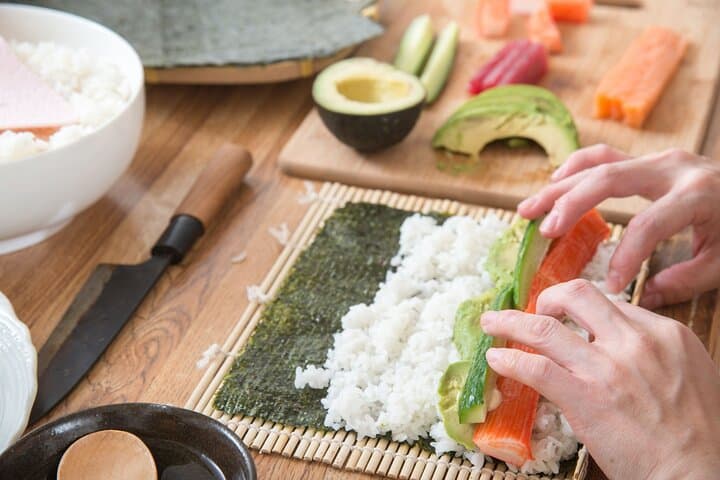
Practical guidance: arrive 10–15 minutes early, wear closed-toe shoes and clothing you don’t mind splattering, and bring a bottle if you want to pair wine. Expect two hours of active instruction and tasting. Ask about allergies ahead of time — the instructor can adapt recipes. This is an experiential class more than a show: you’re steering the rolling mat, not just watching. Walk away with a four-course meal, clearer knife skills, and recipes to practice at home — plus the confidence to fold a nori edge tight and let bold flavors do the talking.
easy.
2 hours.
No special fitness required — light standing and bench work for about 90–120 minutes
Yes — guests are welcome to bring a single bottle or individual servings to enjoy with the meal.
Yes — the instructor requests advance notice and will adapt elements where possible (e.g., vegetarian swaps or shellfish avoidance).
The class is designed for adults and older teens; check booking requirements for minimum age if bringing younger participants.
Yes — this is hands-on: the chef demonstrates then guides you through prep, rolling, and stir-frying so you actively prepare each course.
Baltimore’s harbor and immigrant communities shaped a pragmatic food culture where techniques and ingredients arrived and adapted quickly—this class reflects that practical fusion.
Chefs here often prioritize responsibly sourced seafood and minimizing food waste; ask about local sourcing and sustainable swaps during the class.
Cozymeal Cooking Classes operates guided outdoor trips and adventures with an emphasis on safety, stewardship, and memorable experiences.
You push open the door to a compact Baltimore kitchen and the first scents are warm soy and toasted sesame — sharp, familiar, inviting. Steady hands at the prep table, a chef demonstrates the angle of a knife, then invites you forward: tonight you make rice worth returning for. The room hums with conversation, the clack of chopsticks, and the quiet hiss of a pan searing chicken fried rice.
You push open the door to a compact Baltimore kitchen and the first scents are warm soy and toasted sesame — sharp, familiar, inviting. Steady hands at the prep table, a chef demonstrates the angle of a knife, then invites you forward: tonight you make rice worth returning for. The room hums with conversation, the clack of chopsticks, and the quiet hiss of a pan searing chicken fried rice.
Baltimore’s food culture has long fused seafaring heritage with immigrant kitchens; here that legacy meets contemporary Asian techniques. The Chesapeake’s proximity softens into the evening’s menu — sushi rice balanced with acidity, and an approachable fusion of Japanese rolling and street-food flavors.
Geologically the city sits at the fall line where the Piedmont gives way to the Atlantic coastal plain; its harbor shaped a mercantile palate that welcomed new ingredients and ideas. Culturally, the class reflects Baltimore’s hands-on hospitality: local chefs who learned in restaurants and home kitchens teach practical skills — knife angle, rice tempering, rolling technique — that transfer directly to your own stove.
Practical guidance: arrive 10–15 minutes early, wear closed-toe shoes and clothing you don’t mind splattering, and bring a bottle if you want to pair wine. Expect two hours of active instruction and tasting. Ask about allergies ahead of time — the instructor can adapt recipes. This is an experiential class more than a show: you’re steering the rolling mat, not just watching. Walk away with a four-course meal, clearer knife skills, and recipes to practice at home — plus the confidence to fold a nori edge tight and let bold flavors do the talking.