THE ADVENTURE COLLECTIVE® · Independent discovery and booking for outdoor travel

See three Baltic capitals in 72 hours on a private, vehicle-based route from Vilnius to Tallinn. This focused tour combines somber memorials, baroque palaces, Art Nouveau streets and medieval harbors with practical timing for travelers on a tight schedule.
See three Baltic capitals in 72 hours on a private, vehicle-based route from Vilnius to Tallinn. This focused tour combines somber memorials, baroque palaces, Art Nouveau streets and medieval harbors with practical timing for travelers on a tight schedule.
You arrive to Vilnius as the city wakes: trampling footsteps on cobbles, a cup of coffee steaming in hand, and an air-conditioned vehicle idling at the meeting point ready to roll north. Over three days the landscape moves with you — spruce and low hills giving way to the flat, wind-swept plains around the Gulf of Riga — while capitals shift from Baroque courtyards to Art Nouveau facades and medieval spires.
Verified experiences and guided adventures in the surrounding area.
Operated by Vad Travel · Vilnius, Vilnius County
You arrive to Vilnius as the city wakes: trampling footsteps on cobbles, a cup of coffee steaming in hand, and an air-conditioned vehicle idling at the meeting point ready to roll north. Over three days the landscape moves with you — spruce and low hills giving way to the flat, wind-swept plains around the Gulf of Riga — while capitals shift from Baroque courtyards to Art Nouveau facades and medieval spires.
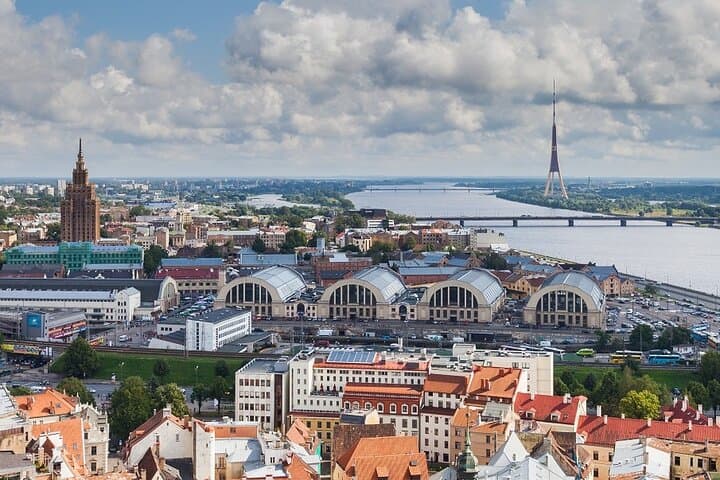
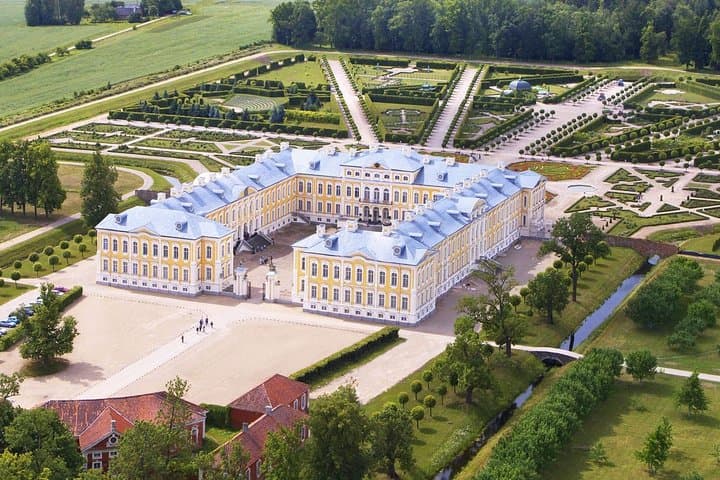
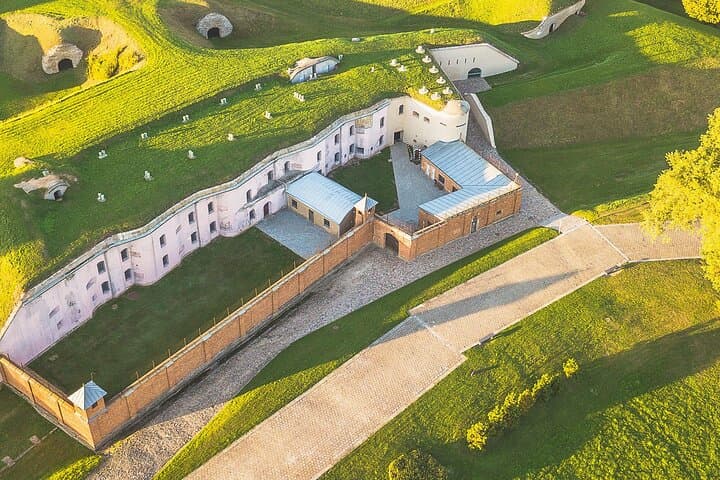
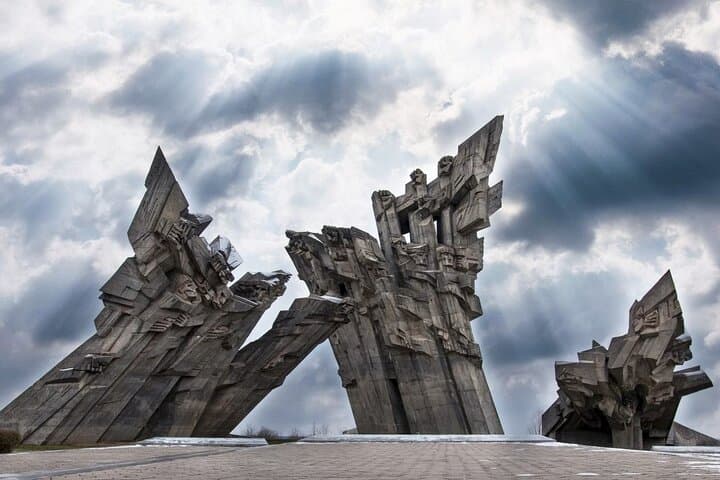
This route threads through layers of Baltic history. In Kaunas the IX Fort marks a grim 20th-century memory; the Hill of Crosses outside Šiauliai speaks of sustained cultural resistance; Rundāle Palace illustrates 18th-century ducal baroque in Latvia; Riga’s market pavilions recall German trade networks; Tallinn’s Old Town is a living Hanseatic port. Geologically, the region is young—glacially smoothed lowlands, sandy coasts and river valleys that shaped settlement patterns and trade routes.
Expect walking intervals: orientation walks in Riga, castle courtyards in Sigulda and Turaida, and seaside breathing room in Pärnu. Cultural rhythms matter — markets open early, palaces close mid-afternoon — so timing is everything. Practicalities: bring layered clothing for Baltic winds, comfortable walking shoes for cobbles and castle steps, and a portable charger for long transfer days.
This private tour compresses capital highlights into a compact itinerary; it’s ideal if you want curated transit between sights with local context but minimal logistics. Plan for moderate walking, keep small bills for markets and cafés, and give yourself an extra day in Vilnius or Tallinn if you prefer slower exploration.
easy.
3 days (approx. 72 hours).
Light activity: short to moderate walking periods (orientation walks, castle courtyards). Suitable for most fitness levels with normal mobility.
All three countries are in the Schengen Area; if your nationality requires a Schengen visa, it must be valid for the entire trip—check visa rules before booking.
The itinerary notes some admissions as ‘NO’ and others as ‘NOT_APPLICABLE’; clarify with the operator which specific entrance fees are included before you travel.
Yes — this is a private tour; inform the operator of dietary needs at booking so meal stops can be arranged accordingly.
This tour is listed as all sales final with no refunds for cancellations—confirm dates carefully before booking and consider travel insurance.
The Baltic capitals reflect layered rule—from medieval Hanseatic trade to duchies and Soviet occupation—each city retains distinct architectural and cultural markers from those eras.
Popular sites like the Hill of Crosses rely on respectful visitor behavior; stick to paths, avoid touching fragile memorials and support local conservation fees or donations when available.
Vad Travel operates guided outdoor trips and adventures with an emphasis on safety, stewardship, and memorable experiences.
You arrive to Vilnius as the city wakes: trampling footsteps on cobbles, a cup of coffee steaming in hand, and an air-conditioned vehicle idling at the meeting point ready to roll north. Over three days the landscape moves with you — spruce and low hills giving way to the flat, wind-swept plains around the Gulf of Riga — while capitals shift from Baroque courtyards to Art Nouveau facades and medieval spires.
You arrive to Vilnius as the city wakes: trampling footsteps on cobbles, a cup of coffee steaming in hand, and an air-conditioned vehicle idling at the meeting point ready to roll north. Over three days the landscape moves with you — spruce and low hills giving way to the flat, wind-swept plains around the Gulf of Riga — while capitals shift from Baroque courtyards to Art Nouveau facades and medieval spires.
This route threads through layers of Baltic history. In Kaunas the IX Fort marks a grim 20th-century memory; the Hill of Crosses outside Šiauliai speaks of sustained cultural resistance; Rundāle Palace illustrates 18th-century ducal baroque in Latvia; Riga’s market pavilions recall German trade networks; Tallinn’s Old Town is a living Hanseatic port. Geologically, the region is young—glacially smoothed lowlands, sandy coasts and river valleys that shaped settlement patterns and trade routes.
Expect walking intervals: orientation walks in Riga, castle courtyards in Sigulda and Turaida, and seaside breathing room in Pärnu. Cultural rhythms matter — markets open early, palaces close mid-afternoon — so timing is everything. Practicalities: bring layered clothing for Baltic winds, comfortable walking shoes for cobbles and castle steps, and a portable charger for long transfer days.
This private tour compresses capital highlights into a compact itinerary; it’s ideal if you want curated transit between sights with local context but minimal logistics. Plan for moderate walking, keep small bills for markets and cafés, and give yourself an extra day in Vilnius or Tallinn if you prefer slower exploration.