THE ADVENTURE COLLECTIVE® · Independent discovery and booking for outdoor travel

Paddle ten kilometers of Class III whitewater on the Balsa River with small, expert-led groups from La Fortuna. Expect technical boulder rapids, rainforest scenery, local stories, and a full-day adventure that blends adrenaline with cultural insight.
Paddle ten kilometers of Class III whitewater on the Balsa River with small, expert-led groups from La Fortuna. Expect technical boulder rapids, rainforest scenery, local stories, and a full-day adventure that blends adrenaline with cultural insight.
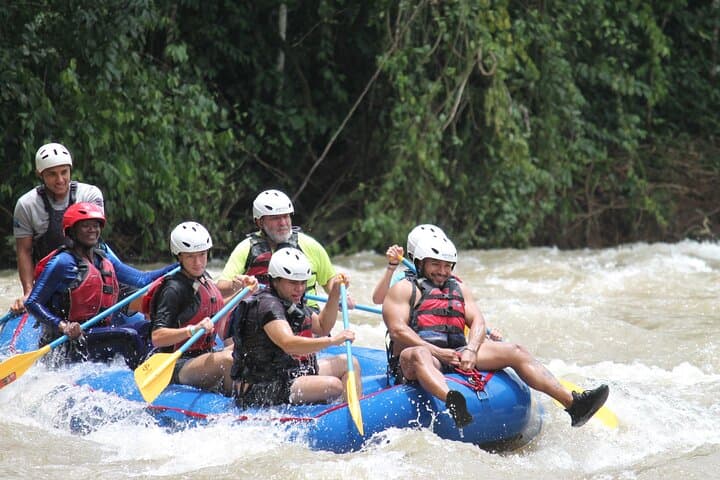
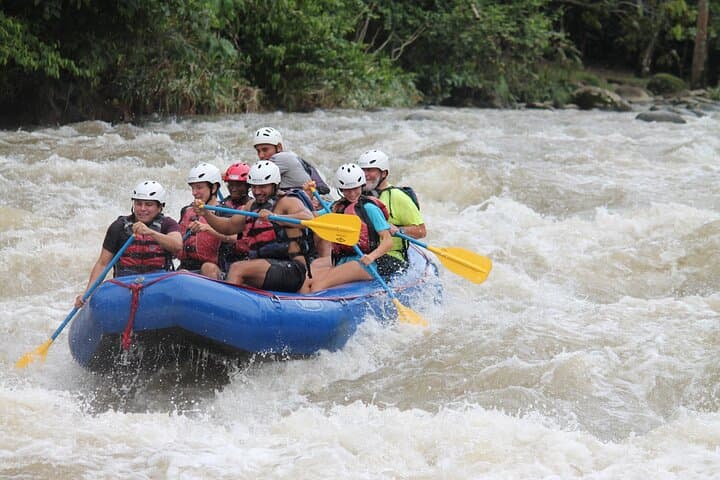
The oar cuts the river and the Balsa answers—sometimes a playful nudge, sometimes a sudden shove. You push off from a green, loamy bank with the rainforests of northern Costa Rica rising like a wall on either side. Mist from recent rains hangs in pockets above the water; birds call from hidden perches as your small group learns the rhythm of the raft and the commands of a guide who grew up with these currents.
Verified experiences and guided adventures in the surrounding area.
Operated by Calypso Adventures · La Fortuna, Alajuela
The oar cuts the river and the Balsa answers—sometimes a playful nudge, sometimes a sudden shove. You push off from a green, loamy bank with the rainforests of northern Costa Rica rising like a wall on either side. Mist from recent rains hangs in pockets above the water; birds call from hidden perches as your small group learns the rhythm of the raft and the commands of a guide who grew up with these currents.
This stretch of the Balsa River has long been a lifeline for communities below Arenal Volcano. The river winds through volcanic soils, carved from old lava flows and ash fields, then softened by generations of tropical growth. Geologically it’s young—rocks that cooled in the region’s volcanic past still influence the riverbed, producing the boulder-strewn rapids that make this a reliable Class III run. Culturally, the route threads through farmland and small hamlets where pineapple and banana fields meet secondary forest; guides pause between rapids to point out how the land provides both work and stories.
Calypso Adventures, a Black woman–owned and female-led operator based in La Fortuna, keeps groups intentionally small. That means more instruction time at put-in, a shorter wait between rapids, and a personal connection to local culture: you’ll eat a traditional casado-style lunch, hear about wildlife sightings, and learn the community-first ethos that steers their business decisions.
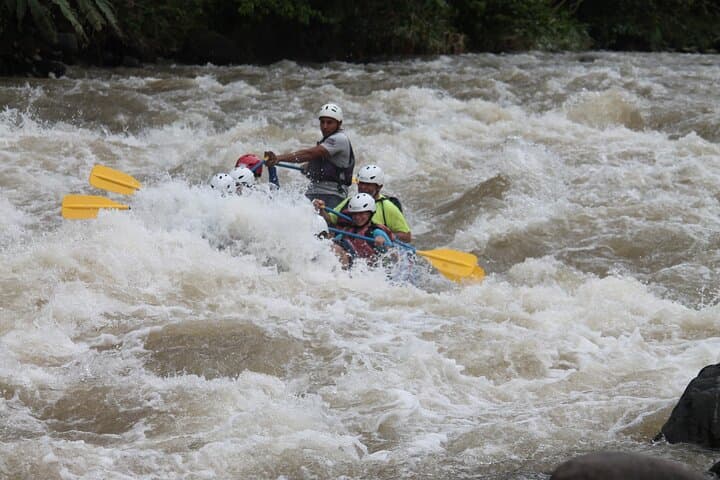
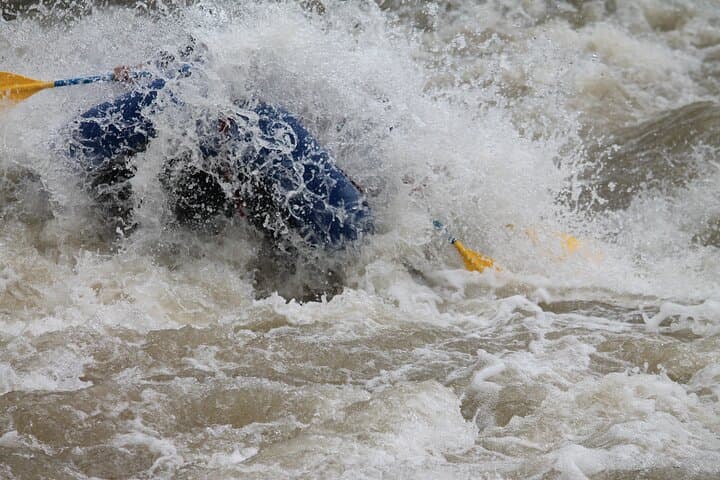
On the water, expect sustained Class II–III rapids across roughly 10 kilometers of river—paddling, occasional wet exits, and playful hydraulics. Guides issue life jackets and helmets, coach quick strokes, and read the river like a second language. For first-timers and families, the run balances adrenaline with accessibility; for experienced paddlers, it delivers technical moves and lively waves.
Practicalities: tours are full-day operations (about six hours door-to-door), include transport from La Fortuna, bottled water, pineapple snacks, and a hot Costa Rican lunch with vegetarian options. Wear secure water shoes, a quick-dry outfit, and leave valuables in a dry bag. Rain is common—bring a lightweight rain layer—and sunscreen that won’t run into your eyes. If you have back or heart issues, this trip is not recommended.
Beyond the rapids, keep an eye for sloths, kingfishers, and toucans along the banks, and consider combining the day with an evening soak at one of La Fortuna’s geothermal hot springs. Respect the river: keep plastics out of tributaries, follow your guide’s river etiquette, and support operators who contribute to local conservation and fair employment. On the Balsa, the river challenges you and teaches you in equal measure—leave it as ready for the next group as you found it.
moderate.
6 hours (door-to-door).
Moderate fitness required—able to paddle for short bursts, sit in raft for extended periods, and handle quick exits if needed.
The guided stretch covers about 10 kilometers of river rapids; the full outing from pickup to return is approximately six hours.
This run is primarily Class II–III—technical enough to thrill beginners and families with guidance, but not extreme.
No—operators provide instruction and safety gear; a moderate fitness level helps but beginners are welcome.
Yes—the tour includes pickup from La Fortuna, bottled water, snacks, and a traditional Costa Rican lunch with vegetarian options.
Families often participate; check age restrictions with the operator and note that life jackets are provided and guides adjust pacing for kids.
This trip is not recommended for pregnant travelers or those with serious heart or back problems; consult the operator and your physician before booking.
The Balsa River corridor developed alongside agricultural communities and volcanic activity from the Arenal complex; river use shifted from subsistence transport to adventure tourism in the late 20th century.
Operators emphasize low-impact practices—no-trace river use, community employment, and participation in local reforestation initiatives to protect riverbanks.
Calypso Adventures operates guided outdoor trips and adventures with an emphasis on safety, stewardship, and memorable experiences.
The oar cuts the river and the Balsa answers—sometimes a playful nudge, sometimes a sudden shove. You push off from a green, loamy bank with the rainforests of northern Costa Rica rising like a wall on either side. Mist from recent rains hangs in pockets above the water; birds call from hidden perches as your small group learns the rhythm of the raft and the commands of a guide who grew up with these currents.
The oar cuts the river and the Balsa answers—sometimes a playful nudge, sometimes a sudden shove. You push off from a green, loamy bank with the rainforests of northern Costa Rica rising like a wall on either side. Mist from recent rains hangs in pockets above the water; birds call from hidden perches as your small group learns the rhythm of the raft and the commands of a guide who grew up with these currents.
This stretch of the Balsa River has long been a lifeline for communities below Arenal Volcano. The river winds through volcanic soils, carved from old lava flows and ash fields, then softened by generations of tropical growth. Geologically it’s young—rocks that cooled in the region’s volcanic past still influence the riverbed, producing the boulder-strewn rapids that make this a reliable Class III run. Culturally, the route threads through farmland and small hamlets where pineapple and banana fields meet secondary forest; guides pause between rapids to point out how the land provides both work and stories.
Calypso Adventures, a Black woman–owned and female-led operator based in La Fortuna, keeps groups intentionally small. That means more instruction time at put-in, a shorter wait between rapids, and a personal connection to local culture: you’ll eat a traditional casado-style lunch, hear about wildlife sightings, and learn the community-first ethos that steers their business decisions.
On the water, expect sustained Class II–III rapids across roughly 10 kilometers of river—paddling, occasional wet exits, and playful hydraulics. Guides issue life jackets and helmets, coach quick strokes, and read the river like a second language. For first-timers and families, the run balances adrenaline with accessibility; for experienced paddlers, it delivers technical moves and lively waves.
Practicalities: tours are full-day operations (about six hours door-to-door), include transport from La Fortuna, bottled water, pineapple snacks, and a hot Costa Rican lunch with vegetarian options. Wear secure water shoes, a quick-dry outfit, and leave valuables in a dry bag. Rain is common—bring a lightweight rain layer—and sunscreen that won’t run into your eyes. If you have back or heart issues, this trip is not recommended.
Beyond the rapids, keep an eye for sloths, kingfishers, and toucans along the banks, and consider combining the day with an evening soak at one of La Fortuna’s geothermal hot springs. Respect the river: keep plastics out of tributaries, follow your guide’s river etiquette, and support operators who contribute to local conservation and fair employment. On the Balsa, the river challenges you and teaches you in equal measure—leave it as ready for the next group as you found it.