THE ADVENTURE COLLECTIVE® · Independent discovery and booking for outdoor travel

A day at Balos Lagoon is an exercise in simple pleasures: bright water, broad sandbars and a Venetian islet watching from offshore. Read on for what to expect, local history and practical tips to plan your visit.
A day at Balos Lagoon is an exercise in simple pleasures: bright water, broad sandbars and a Venetian islet watching from offshore. Read on for what to expect, local history and practical tips to plan your visit.
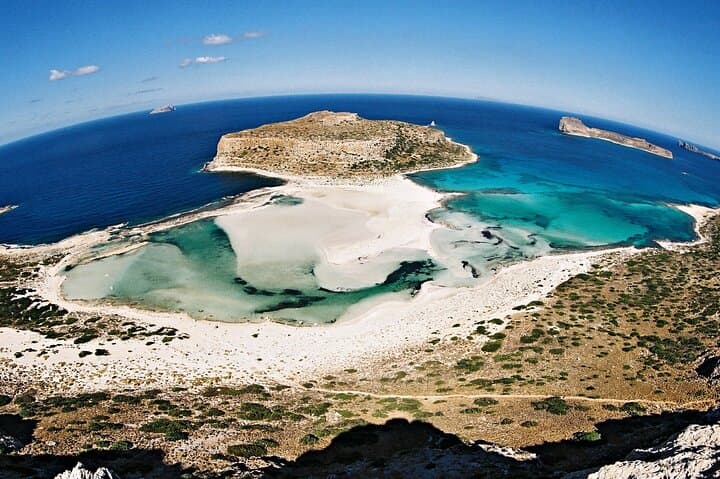
You step off the boat and the lagoon greets you like a shallow, breathing pool of turquoise — glassy near the shore, riffled where the sea fingers through sandbars. Low hills ring the water in bleached limestone, and the channel to the open sea dares you with a bright, deeper blue beyond.
Verified experiences and guided adventures in the surrounding area.
Operated by CreteCab · Kissamos, Crete
You step off the boat and the lagoon greets you like a shallow, breathing pool of turquoise — glassy near the shore, riffled where the sea fingers through sandbars. Low hills ring the water in bleached limestone, and the channel to the open sea dares you with a bright, deeper blue beyond.
Balos sits on Crete’s far northwest coast, formed where uplifted limestone meets marine deposition; the result is a broad sandbar and sheltered shallows that change with tides. The nearby islet of Gramvousa carries a Venetian-era fort, a reminder of the island’s strategic place in Mediterranean trade and conflict. Local fishing villages still work these waters, and a strong island culture of seafaring and simple hospitality shapes the rhythm of visits.
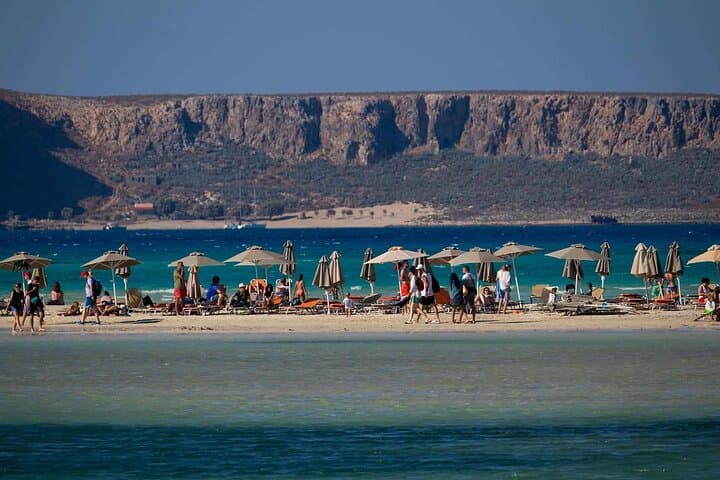
Expect a day defined by easy swims, sandbar exploring, and short walks across coarse, white sand and pebbly slopes. The water is often calm and clear; visibility makes it ideal for snorkeling and watching small reef fish. The approach by boat is part of the experience — cliffs and coves slide by before the lagoon opens like a hidden room.
Practical guide: arrive with reef‑safe sunscreen, a wide‑brim hat and water; shade is sparse. Wear water shoes for the shallows and pack snacks if your tour’s stop is brief. If you plan to hike to the viewpoint above the lagoon, bring layers and a headlamp for early starts. Midday is busiest — aim for morning or late afternoon for softer light and fewer people. Leave no trace: the lagoon’s sandbars and marine life are fragile and recover slowly from heavy foot traffic.
easy.
12 hours.
Light fitness required—short walks over uneven sand and pebbles and the ability to swim in open shallow water.
Most visitors arrive by boat from Kissamos or by road/foot from a western parking area; many day tours include private transport or a boat leg.
Yes — the shallow, clear water is ideal for swimming and spotting small fish; bring a snorkel set for best views of nearshore life.
Facilities are minimal — there are no developed services on the beach, so bring water, snacks and shade; some tours include bottled water and snacks.
Yes — many boat trips combine stops at Gramvousa (with its Venetian fort) and Balos; expect a short climb on Gramvousa for the fort and views.
Gramvousa’s Venetian fortress dates to the 16th–17th centuries and the area was historically strategic for controlling trade routes around Crete.
Balos’s sandbars and seagrass beds are ecologically sensitive; stick to marked paths, avoid trampling dune vegetation and use reef‑safe sunscreen to reduce impact.
CreteCab operates guided outdoor trips and adventures with an emphasis on safety, stewardship, and memorable experiences.
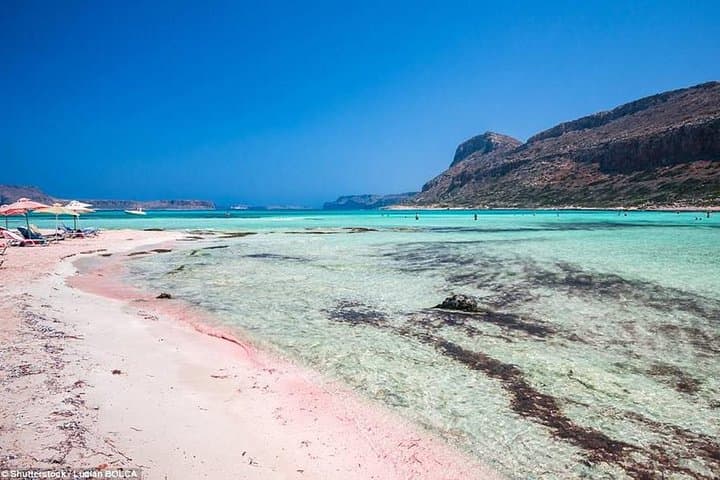
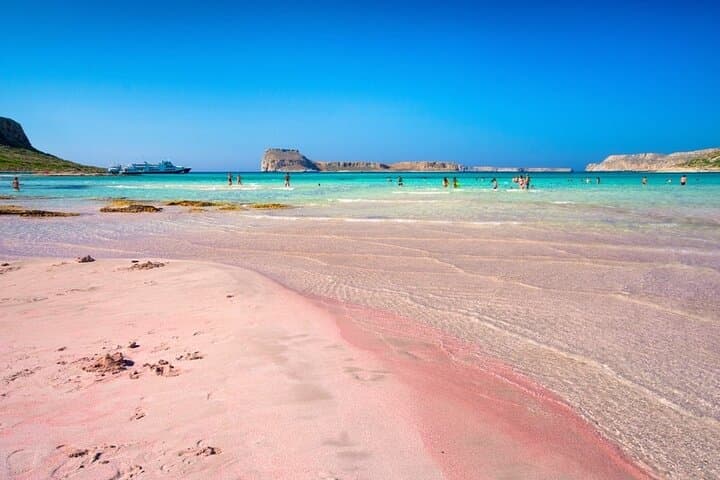
You step off the boat and the lagoon greets you like a shallow, breathing pool of turquoise — glassy near the shore, riffled where the sea fingers through sandbars. Low hills ring the water in bleached limestone, and the channel to the open sea dares you with a bright, deeper blue beyond.
You step off the boat and the lagoon greets you like a shallow, breathing pool of turquoise — glassy near the shore, riffled where the sea fingers through sandbars. Low hills ring the water in bleached limestone, and the channel to the open sea dares you with a bright, deeper blue beyond.
Balos sits on Crete’s far northwest coast, formed where uplifted limestone meets marine deposition; the result is a broad sandbar and sheltered shallows that change with tides. The nearby islet of Gramvousa carries a Venetian-era fort, a reminder of the island’s strategic place in Mediterranean trade and conflict. Local fishing villages still work these waters, and a strong island culture of seafaring and simple hospitality shapes the rhythm of visits.
Expect a day defined by easy swims, sandbar exploring, and short walks across coarse, white sand and pebbly slopes. The water is often calm and clear; visibility makes it ideal for snorkeling and watching small reef fish. The approach by boat is part of the experience — cliffs and coves slide by before the lagoon opens like a hidden room.
Practical guide: arrive with reef‑safe sunscreen, a wide‑brim hat and water; shade is sparse. Wear water shoes for the shallows and pack snacks if your tour’s stop is brief. If you plan to hike to the viewpoint above the lagoon, bring layers and a headlamp for early starts. Midday is busiest — aim for morning or late afternoon for softer light and fewer people. Leave no trace: the lagoon’s sandbars and marine life are fragile and recover slowly from heavy foot traffic.