THE ADVENTURE COLLECTIVE® · Independent discovery and booking for outdoor travel

Set off from Paracas on a 2-hour speedboat cruise to the Ballestas Islands to watch sea lions, Humboldt penguins and soaring seabirds. This compact wildlife tour combines dramatic coastal geology with accessible, close-up marine viewing.
Set off from Paracas on a 2-hour speedboat cruise to the Ballestas Islands to watch sea lions, Humboldt penguins and soaring seabirds. This compact wildlife tour combines dramatic coastal geology with accessible, close-up marine viewing.
The wake snaps, salt stings, and in minutes the sandy silhouette of the Paracas peninsula falls behind you as the boat pushes toward a cluster of low, chiseled rocks rising from the Humboldt Current.
Verified experiences and guided adventures in the surrounding area.
Operated by Paracas Holiday · Paracas, Ica
The wake snaps, salt stings, and in minutes the sandy silhouette of the Paracas peninsula falls behind you as the boat pushes toward a cluster of low, chiseled rocks rising from the Humboldt Current.
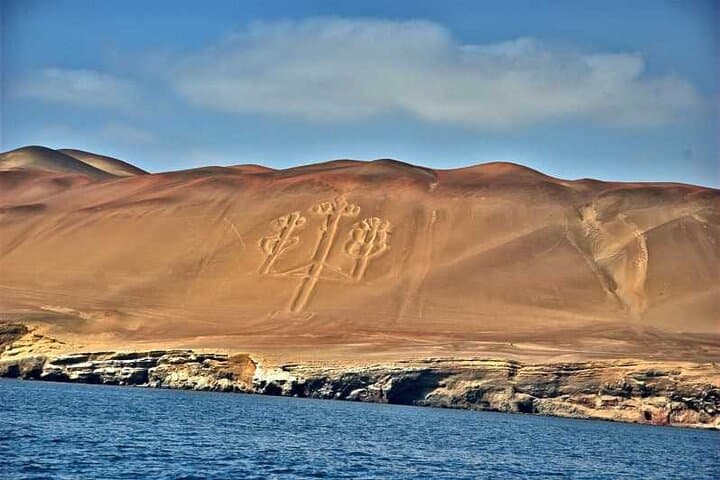
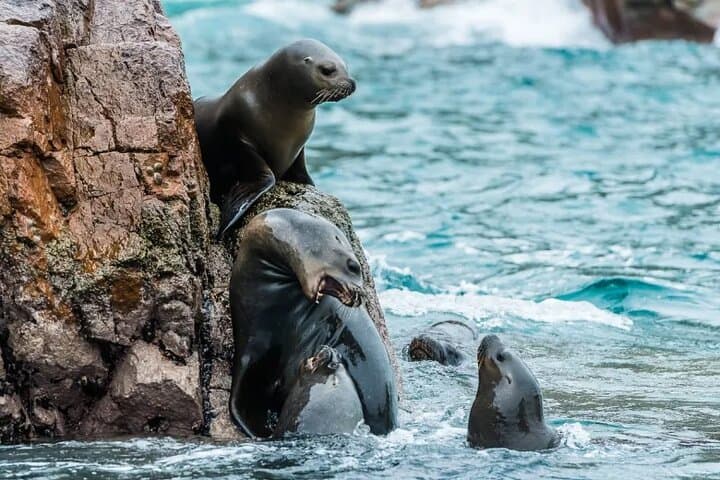
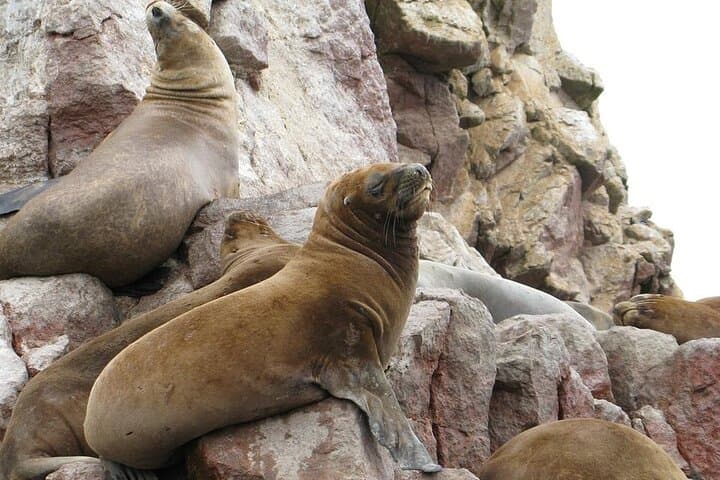
From the deck the islands feel theatrical: sea lions bask like bronze sculptures, pelicans hover on practiced thermals, and the occasional black-and-white Humboldt penguin waddles on a scrape of gravel. Your guide will point out El Candelabro — a giant geoglyph cut into the dunes — and offer competing theories for who made it while the boat skirts sheer cliffs streaked with guano.
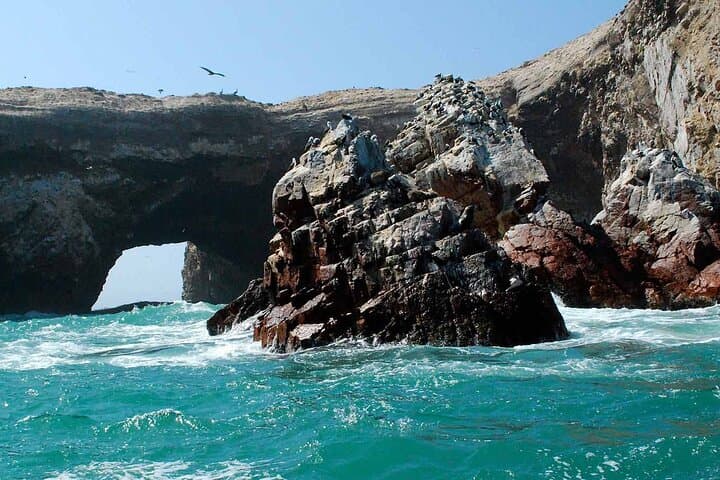
Geology here is blunt and marine: upwelling cold water feeds plankton, which feeds vast seabird colonies, and the islands themselves are wave-cut rock and compressed marine sediments shaped by strong swells. Human history is visible too — the Paracas culture left pottery on the shore and later guano extraction shaped regional economies and conservation policy.
Practically, expect a 2-hour round trip from the Paracas dock, lifejackets provided, and close but non-landing views of wildlife. Morning departures usually mean calmer seas and better light for photos; afternoons can be windier. Bring sun protection, a wind layer, and a small camera with a zoom. If you feel seasick, choose a central seat and look at the horizon. Respect distance rules: boats do not disembark on the islands and guides will ask you to keep noise low to avoid stressing colonies.
This tour is short, wildlife-forward, and accessible — a compact marine encounter that highlights Peru’s productive coastal ecology.
easy.
2 hours.
Suitable for most fitness levels; requires stepping onto a low gangway and standing or sitting for the duration.
No — tours circle the islands for close viewing but disembarkation is not allowed to protect wildlife and fragile habitat.
Penguins are commonly seen but wildlife sightings can’t be guaranteed; morning trips and calm seas increase chances.
Yes — the tour is rated easy, but it’s not recommended for infants under 1 year and people with serious back or heart conditions should avoid it.
Yes — lifejackets are provided for all passengers and the boat is equipped for standard safety procedures.
The islands and nearby Paracas coast have long been used by pre-Columbian cultures and later became important for guano harvesting, which shaped the region’s economy and global fertilizer trade.
Ballestas Islands are part of a protected marine area with regulated boat approaches to minimize disturbance; operators follow guidelines to reduce noise and keep distance from colonies.
Paracas Holiday operates guided outdoor trips and adventures with an emphasis on safety, stewardship, and memorable experiences.
The wake snaps, salt stings, and in minutes the sandy silhouette of the Paracas peninsula falls behind you as the boat pushes toward a cluster of low, chiseled rocks rising from the Humboldt Current.
The wake snaps, salt stings, and in minutes the sandy silhouette of the Paracas peninsula falls behind you as the boat pushes toward a cluster of low, chiseled rocks rising from the Humboldt Current.
From the deck the islands feel theatrical: sea lions bask like bronze sculptures, pelicans hover on practiced thermals, and the occasional black-and-white Humboldt penguin waddles on a scrape of gravel. Your guide will point out El Candelabro — a giant geoglyph cut into the dunes — and offer competing theories for who made it while the boat skirts sheer cliffs streaked with guano.
Geology here is blunt and marine: upwelling cold water feeds plankton, which feeds vast seabird colonies, and the islands themselves are wave-cut rock and compressed marine sediments shaped by strong swells. Human history is visible too — the Paracas culture left pottery on the shore and later guano extraction shaped regional economies and conservation policy.
Practically, expect a 2-hour round trip from the Paracas dock, lifejackets provided, and close but non-landing views of wildlife. Morning departures usually mean calmer seas and better light for photos; afternoons can be windier. Bring sun protection, a wind layer, and a small camera with a zoom. If you feel seasick, choose a central seat and look at the horizon. Respect distance rules: boats do not disembark on the islands and guides will ask you to keep noise low to avoid stressing colonies.
This tour is short, wildlife-forward, and accessible — a compact marine encounter that highlights Peru’s productive coastal ecology.