THE ADVENTURE COLLECTIVE® · Independent discovery and booking for outdoor travel

A seven-hour circuit that pairs a zodiac-style cruise around the Ballestas Islands with a scenic drive through Paracas National Reserve. Expect seabird colonies, lounging sea lions, and desert-to-coast vistas—bring layers and binoculars.
A seven-hour circuit that pairs a zodiac-style cruise around the Ballestas Islands with a scenic drive through Paracas National Reserve. Expect seabird colonies, lounging sea lions, and desert-to-coast vistas—bring layers and binoculars.
Salt spray and gull calls mark the start of this seven-hour loop off Peru’s southern coast: you board a low-profile motorboat in Paracas and the sea immediately takes center stage, pushing you toward cliffs carved by wind and wave. Ahead, the Chandelier geoglyph cuts a pale silhouette on the hillside—a curious marker whose origins guidebooks debate and boat captains point out with a practiced shrug.
Verified experiences and guided adventures in the surrounding area.
Salt spray and gull calls mark the start of this seven-hour loop off Peru’s southern coast: you board a low-profile motorboat in Paracas and the sea immediately takes center stage, pushing you toward cliffs carved by wind and wave. Ahead, the Chandelier geoglyph cuts a pale silhouette on the hillside—a curious marker whose origins guidebooks debate and boat captains point out with a practiced shrug.
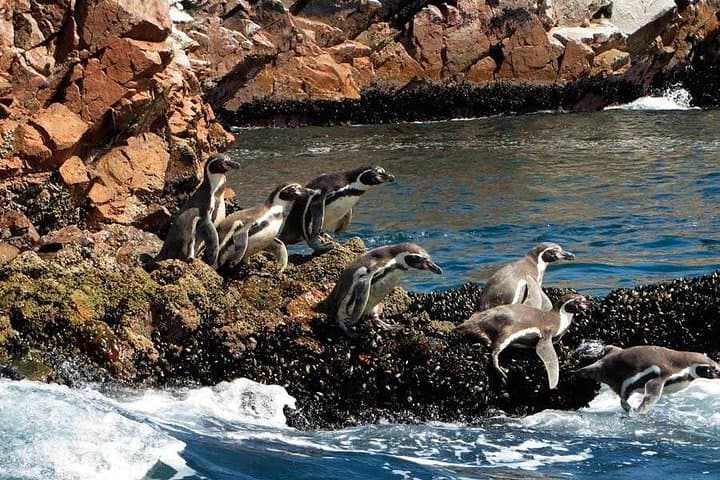
The tour moves from open water to the Ballestas Islands, a ragged chain where limestone stacks host colonies of boobies, cormorants, and Humboldt penguins. Sea lions lounge on sun-warmed rocks and the ocean seems to weave the islands together, daring you to look away. Back on shore, Paracas National Reserve switches the scene: desert bluffs drop to salt flats and lagoons where flamingos feed in steady pink lines, a striking contrast to the arid dunes behind them.
Geologically, this coast records tectonic uplift and heavy wave erosion; culturally, it sits in the shadow of the ancient Paracas people whose textiles remain among Peru’s most studied artifacts. The modern reserve balances tourism and protection—expect informative stops, short drives through marked viewing areas, and strict no-approach rules around wildlife.
Practical essentials: morning light is best for photography and calmer seas, binoculars and a zoom lens pay dividends, and layered clothing is non-negotiable against coastal wind. Plan for about 45–60 minutes of cruising to the islands and several short on-foot lookouts in the reserve. Keep distance, follow your guide, and let the wildlife decide how close you get.
moderate.
7 hours.
Light physical fitness is sufficient—ability to board small boats and stand during viewing recommended
Cruising from Paracas typically takes 45–60 minutes each way depending on weather; your full tour includes additional time in the reserve and transfers.
Both are commonly observed but sightings depend on season and sea conditions; guides know the usual haul-outs and maximize viewing opportunities.
Smaller tour boats may not have restrooms—most operators offer shore stops before or after the cruise for facilities.
Yes—many operators accommodate families and older travelers but boarding small boats requires mobility and balance; mention mobility concerns when booking.
The Paracas region preserves remains of the pre-Inca Paracas culture and features coastal geoglyphs like El Candelabro whose origins remain debated.
Paracas National Reserve protects critical desert-coastal habitats—visitors should avoid disturbing feeding birds, stick to marked paths, and minimize plastic use.
Salt spray and gull calls mark the start of this seven-hour loop off Peru’s southern coast: you board a low-profile motorboat in Paracas and the sea immediately takes center stage, pushing you toward cliffs carved by wind and wave. Ahead, the Chandelier geoglyph cuts a pale silhouette on the hillside—a curious marker whose origins guidebooks debate and boat captains point out with a practiced shrug.
Salt spray and gull calls mark the start of this seven-hour loop off Peru’s southern coast: you board a low-profile motorboat in Paracas and the sea immediately takes center stage, pushing you toward cliffs carved by wind and wave. Ahead, the Chandelier geoglyph cuts a pale silhouette on the hillside—a curious marker whose origins guidebooks debate and boat captains point out with a practiced shrug.
The tour moves from open water to the Ballestas Islands, a ragged chain where limestone stacks host colonies of boobies, cormorants, and Humboldt penguins. Sea lions lounge on sun-warmed rocks and the ocean seems to weave the islands together, daring you to look away. Back on shore, Paracas National Reserve switches the scene: desert bluffs drop to salt flats and lagoons where flamingos feed in steady pink lines, a striking contrast to the arid dunes behind them.
Geologically, this coast records tectonic uplift and heavy wave erosion; culturally, it sits in the shadow of the ancient Paracas people whose textiles remain among Peru’s most studied artifacts. The modern reserve balances tourism and protection—expect informative stops, short drives through marked viewing areas, and strict no-approach rules around wildlife.
Practical essentials: morning light is best for photography and calmer seas, binoculars and a zoom lens pay dividends, and layered clothing is non-negotiable against coastal wind. Plan for about 45–60 minutes of cruising to the islands and several short on-foot lookouts in the reserve. Keep distance, follow your guide, and let the wildlife decide how close you get.