THE ADVENTURE COLLECTIVE® · Independent discovery and booking for outdoor travel

A brisk boat ride from Paracas reveals the Candelabro glyph and a bustling marine sanctuary. Expect penguins, sea lions and seabirds against a backdrop of dramatic coastal geology—perfect for a short, wildlife-focused outing.
A brisk boat ride from Paracas reveals the Candelabro glyph and a bustling marine sanctuary. Expect penguins, sea lions and seabirds against a backdrop of dramatic coastal geology—perfect for a short, wildlife-focused outing.
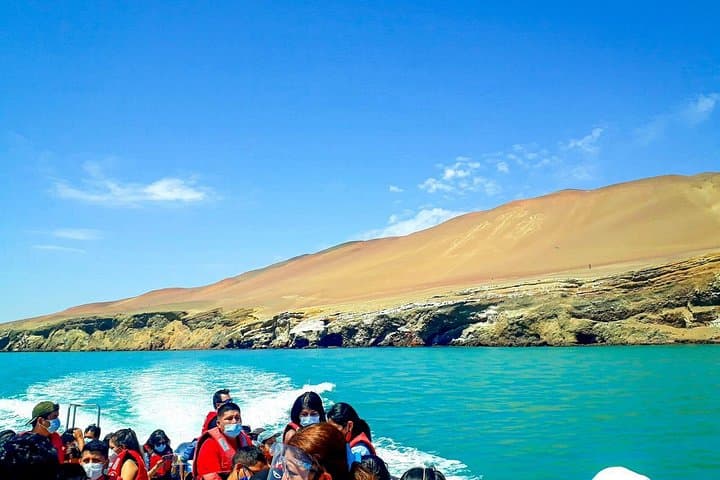
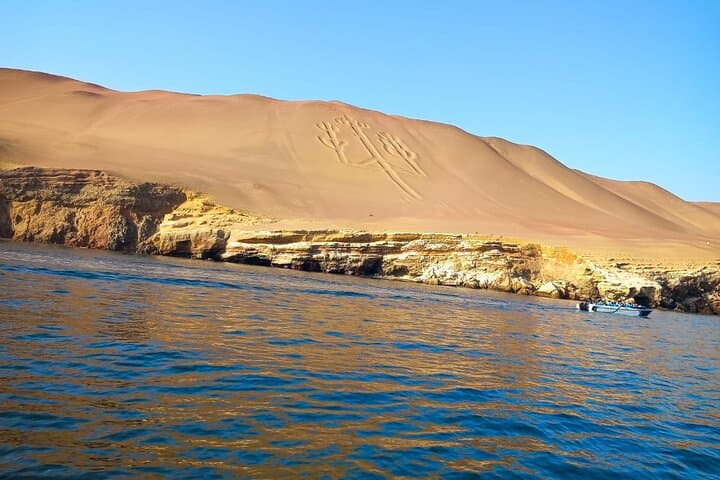
A salt wind snaps the air as the pier recedes and the Pacific opens in wide gray-green strokes. Within minutes the boat slows at a high point on the Paracas Peninsula to frame the Candelabro: a vast, simple glyph etched into the sand that stares inland like a weathered signpost. The guide points out theories—ancient navigational marks, pre-Incan art—and the figure’s scale becomes obvious only from the water.
Verified experiences and guided adventures in the surrounding area.
Operated by Agencia de viajes Meet Peru · Paracas, Ica
A salt wind snaps the air as the pier recedes and the Pacific opens in wide gray-green strokes. Within minutes the boat slows at a high point on the Paracas Peninsula to frame the Candelabro: a vast, simple glyph etched into the sand that stares inland like a weathered signpost. The guide points out theories—ancient navigational marks, pre-Incan art—and the figure’s scale becomes obvious only from the water.
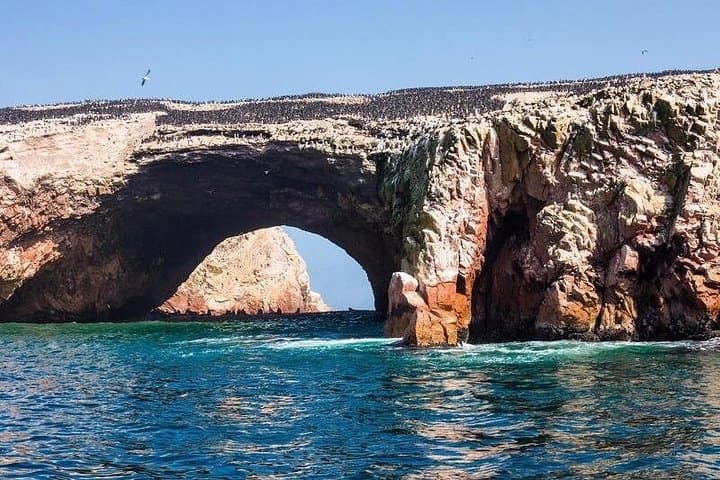
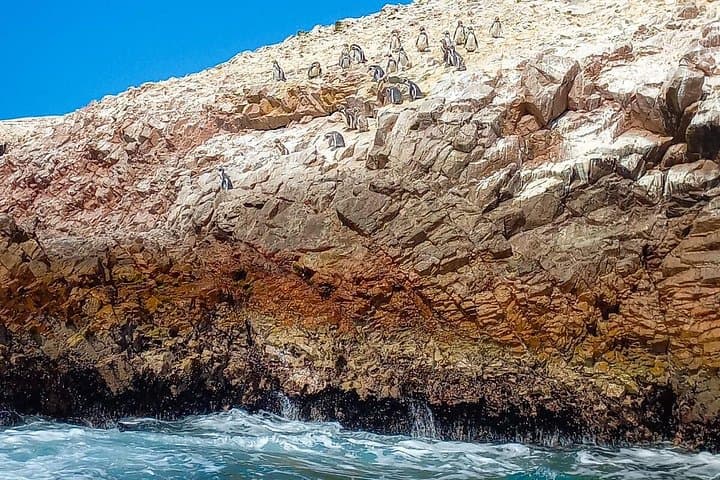
Geologically the Ballestas rise from a narrow continental shelf where upwelling waters feed a dense food web. That abundance made the islands a breeding ground for Humboldt penguins and South American sea lions, and a magnet for birds that wheel and quarrel on wind-battered rock. Culturally, the Paracas coast ties to the guano era and pre-Columbian seafaring; the Candelabro echoes the nearby Nazca lines in form and mystery.
Practically, expect a roughly two-hour outing: a short stop to photograph the Candelabro, about 15 minutes to the island cluster, 80 minutes cruising among wildlife, and a leisurely 40-minute return. Terrain is sea-spray and skiff boarding—no hiking required—but movement on deck and small stairs demands balance. Bring sun protection, seasickness remedies, a waterproof bag for electronics, and binoculars for close views of nesting birds and barking sea lions. Morning departures often yield calmer seas and softer light; late afternoons can be windier. Guides provide lifejackets and bilingual narration. This trip is straightforward, focused on wildlife viewing and coastal history—an efficient, memorable window into Peru’s marine edge.
easy.
2 hours.
Suitable for most fitness levels; passengers should be able to step up into a small boat and stand on a moving deck.
The excursion runs about two hours total: short stop at the Candelabro, around 80 minutes at Ballestas Islands, plus transit time.
Sightings are common—Humboldt penguins and sea lions are regular residents—but wildlife is never guaranteed and can vary by season.
The outing is marketed as easy, but infants must sit on laps; those with serious back issues or pregnancy should consult a physician before booking.
Yes, operators supply lifejackets and bilingual guides provide safety briefings before departure.
The Paracas coastline has ties to pre-Columbian maritime cultures and the 19th–20th century guano industry; the Candelabro’s form echoes the nearby Nazca geoglyph tradition.
Ballestas Islands sit adjacent to the Paracas National Reserve; visitors should avoid littering, minimize noise near colonies, and follow guide instructions to reduce disturbance.
Agencia de viajes Meet Peru operates guided outdoor trips and adventures with an emphasis on safety, stewardship, and memorable experiences.
A salt wind snaps the air as the pier recedes and the Pacific opens in wide gray-green strokes. Within minutes the boat slows at a high point on the Paracas Peninsula to frame the Candelabro: a vast, simple glyph etched into the sand that stares inland like a weathered signpost. The guide points out theories—ancient navigational marks, pre-Incan art—and the figure’s scale becomes obvious only from the water.
A salt wind snaps the air as the pier recedes and the Pacific opens in wide gray-green strokes. Within minutes the boat slows at a high point on the Paracas Peninsula to frame the Candelabro: a vast, simple glyph etched into the sand that stares inland like a weathered signpost. The guide points out theories—ancient navigational marks, pre-Incan art—and the figure’s scale becomes obvious only from the water.
Geologically the Ballestas rise from a narrow continental shelf where upwelling waters feed a dense food web. That abundance made the islands a breeding ground for Humboldt penguins and South American sea lions, and a magnet for birds that wheel and quarrel on wind-battered rock. Culturally, the Paracas coast ties to the guano era and pre-Columbian seafaring; the Candelabro echoes the nearby Nazca lines in form and mystery.
Practically, expect a roughly two-hour outing: a short stop to photograph the Candelabro, about 15 minutes to the island cluster, 80 minutes cruising among wildlife, and a leisurely 40-minute return. Terrain is sea-spray and skiff boarding—no hiking required—but movement on deck and small stairs demands balance. Bring sun protection, seasickness remedies, a waterproof bag for electronics, and binoculars for close views of nesting birds and barking sea lions. Morning departures often yield calmer seas and softer light; late afternoons can be windier. Guides provide lifejackets and bilingual narration. This trip is straightforward, focused on wildlife viewing and coastal history—an efficient, memorable window into Peru’s marine edge.