THE ADVENTURE COLLECTIVE® · Independent discovery and booking for outdoor travel

Combine a morning boat trip among playful sea lions and nesting seabirds at the Ballestas Islands with a low-altitude flight over the enigmatic Nazca Lines. This private full-day outing from Lima compresses two of southern Peru’s signature experiences into one long but manageable day.
Combine a morning boat trip among playful sea lions and nesting seabirds at the Ballestas Islands with a low-altitude flight over the enigmatic Nazca Lines. This private full-day outing from Lima compresses two of southern Peru’s signature experiences into one long but manageable day.
The day begins before dawn on the Pan-American Highway, the air leaning salty as the bus slips toward Paracas. By late morning the sea opens and the boat hums around the Ballestas Islands: cormorants crowd the rocks, sea lions sun themselves like lazy sentries, and the occasional Humboldt penguin pops its head out of the swell—nature insisting on being seen.
Verified experiences and guided adventures in the surrounding area.
Operated by Lima City Tours · Paracas, Ica
The day begins before dawn on the Pan-American Highway, the air leaning salty as the bus slips toward Paracas. By late morning the sea opens and the boat hums around the Ballestas Islands: cormorants crowd the rocks, sea lions sun themselves like lazy sentries, and the occasional Humboldt penguin pops its head out of the swell—nature insisting on being seen.
Geology and history are quick teachers here: the Ballestas are eroded sandstone and guano-rich islets shaped by wind and wave, while the Nazca plain further south is a wind-swept desert of compacted sand and stony earth. The Nazca Lines—giant geometric figures etched by a pre-Columbian culture—still provoke questions about ritual, astronomical markers, and engineering skill.
Culturally, the route ties into Ica’s fishing and ancient agricultural heritage; coastal communities have long depended on the sea and the desert’s scarce moisture. Locals in Paracas prize the seasonal bird migrations and protect marine life through controlled tours.
Practical guidance: expect a long, full day—most itineraries include round-trip transport from Lima and two boat-and-flight windows. Bring sea-sickness medication and layered clothing for cool mornings and warmer inland conditions. Flights over the Nazca Lines are typically 20–30 minutes and require carrying ID and following weight/height rules; the low-altitude flight offers the clearest views of the figures when the air is still. Hydrate, bring sunscreen and binoculars, and plan for a late return to Lima if you depart from the capital. This one-day combo packs wildlife, coastal geology, and aerial archaeology into a demanding but highly rewarding itinerary.
easy.
15–17 hours.
Suitable for travelers of average fitness; involves short boat boarding and a brief low-altitude plane flight but no strenuous hiking.
Typical sightseeing flights last about 20–30 minutes and include several low passes over the main figures.
Infants are allowed with a normal seat; operators usually set age and weight restrictions—confirm at booking.
Very high for common species like sea lions, boobies, cormorants and occasionally Humboldt penguins, though exact sightings depend on season and sea conditions.
The tour is generally rated easy but requires boarding a small boat and getting in/out of vehicles; severe mobility limitations may make it impractical.
The Nazca Lines were created by pre-Columbian peoples between 500 BCE and 500 CE and are best appreciated from the air; the Ballestas have long been important to local fisheries and guano collection.
Boat operators and reserve authorities regulate landing and viewing distances to protect bird colonies and marine mammals; avoid single-use plastics and follow guide instructions to minimize impact.
Lima City Tours operates guided outdoor trips and adventures with an emphasis on safety, stewardship, and memorable experiences.
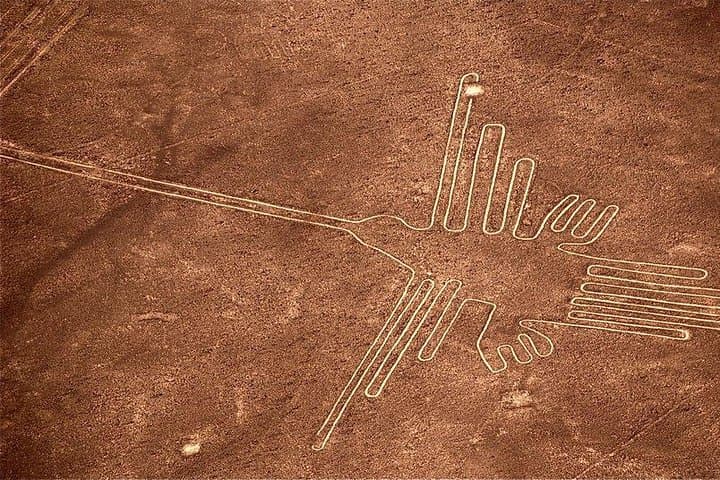
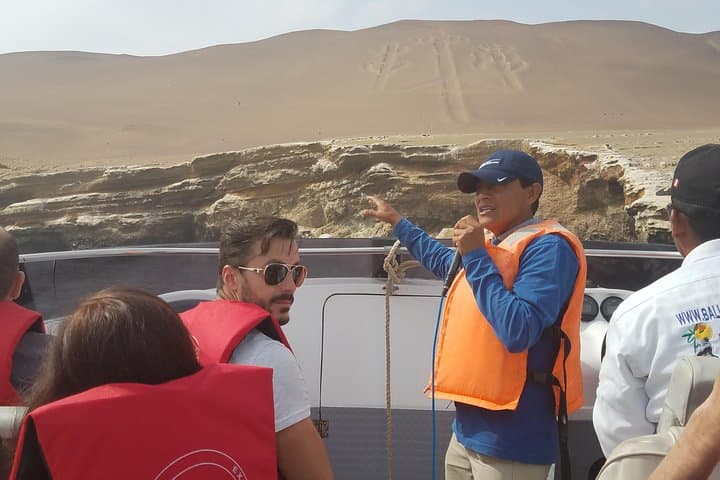
The day begins before dawn on the Pan-American Highway, the air leaning salty as the bus slips toward Paracas. By late morning the sea opens and the boat hums around the Ballestas Islands: cormorants crowd the rocks, sea lions sun themselves like lazy sentries, and the occasional Humboldt penguin pops its head out of the swell—nature insisting on being seen.
The day begins before dawn on the Pan-American Highway, the air leaning salty as the bus slips toward Paracas. By late morning the sea opens and the boat hums around the Ballestas Islands: cormorants crowd the rocks, sea lions sun themselves like lazy sentries, and the occasional Humboldt penguin pops its head out of the swell—nature insisting on being seen.
Geology and history are quick teachers here: the Ballestas are eroded sandstone and guano-rich islets shaped by wind and wave, while the Nazca plain further south is a wind-swept desert of compacted sand and stony earth. The Nazca Lines—giant geometric figures etched by a pre-Columbian culture—still provoke questions about ritual, astronomical markers, and engineering skill.
Culturally, the route ties into Ica’s fishing and ancient agricultural heritage; coastal communities have long depended on the sea and the desert’s scarce moisture. Locals in Paracas prize the seasonal bird migrations and protect marine life through controlled tours.
Practical guidance: expect a long, full day—most itineraries include round-trip transport from Lima and two boat-and-flight windows. Bring sea-sickness medication and layered clothing for cool mornings and warmer inland conditions. Flights over the Nazca Lines are typically 20–30 minutes and require carrying ID and following weight/height rules; the low-altitude flight offers the clearest views of the figures when the air is still. Hydrate, bring sunscreen and binoculars, and plan for a late return to Lima if you depart from the capital. This one-day combo packs wildlife, coastal geology, and aerial archaeology into a demanding but highly rewarding itinerary.