THE ADVENTURE COLLECTIVE® · Independent discovery and booking for outdoor travel

Sharpen navigation skills at Seattle’s Ballard Locks with a hands-on map and compass class. Spend three-plus hours learning bearings, triangulation, and route planning on the working waterfront.
Sharpen navigation skills at Seattle’s Ballard Locks with a hands-on map and compass class. Spend three-plus hours learning bearings, triangulation, and route planning on the working waterfront.
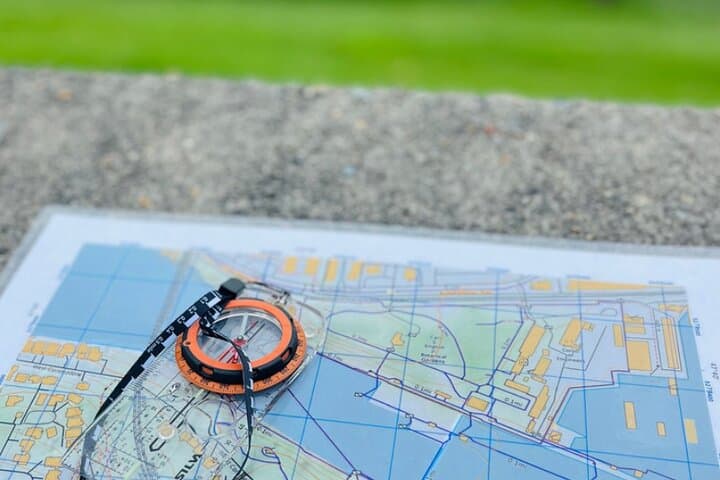
The morning air at the Hiram M. Chittenden (Ballard) Locks feels like a lesson: tidewater pulling at the gate, gulls arguing over a catch, and the hum of commuter life beyond the canal. In this three-and-a-half-hour navigation workshop, instructors turn that working waterfront into a classroom — maps spread on picnic tables, compasses clicked into life, and routes traced toward the sound.
Verified experiences and guided adventures in the surrounding area.
Operated by Uncommon Adventures · Seattle, Washington
The morning air at the Hiram M. Chittenden (Ballard) Locks feels like a lesson: tidewater pulling at the gate, gulls arguing over a catch, and the hum of commuter life beyond the canal. In this three-and-a-half-hour navigation workshop, instructors turn that working waterfront into a classroom — maps spread on picnic tables, compasses clicked into life, and routes traced toward the sound.
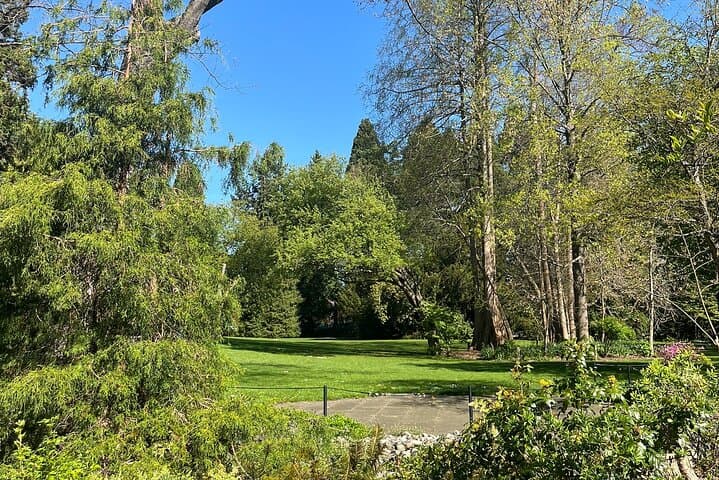
Built by the Army Corps of Engineers in the early 20th century to connect Lake Washington and Puget Sound, the locks sit where maritime engineering meets urban shoreline. The adjacent Carl S. English Jr. Botanical Garden transforms dredged spoil into layered beds of native and ornamental plants, and the salmon ladder nearby offers a seasonal window into Pacific Northwest life cycles.
Geologically the area marks the seam between glacially scoured lake basins and the salt-swept inlet, so expect flat, firm paths with occasional shoreline rubble. Cultural threads run from Scandinavian shipwright history in Ballard to today's fishing and recreational boating; instructors often point out local landmarks during field exercises.
Practical guidance: be prepared to walk up to 2–3 miles on mildly hilly terrain and to stand for extended periods. The class covers map reading, terrain association, compass use including declination, taking and following bearings, triangulation, and trip planning — all practiced on real terrain around the locks.
Wear layered, waterproof clothing, bring water and snacks, and arrive with a charged phone. Whether you want basic backcountry navigation or improved urban orientation, this hands-on session gives usable skills and a sharper eye for route-finding along Seattle's working waterfront.
moderate.
3–4 hours.
Moderate fitness: able to walk up to 2–3 miles on mildly hilly terrain and stand for extended periods
Participants must be 12 or older; minors need an accompanying adult and a signed liability form.
The venue and some activities are wheelchair accessible, but field exercises include uneven shore paths—contact the operator to discuss specific needs.
Expect up to 2–3 miles of walking on mildly hilly or uneven terrain and periods of stationary instruction.
Full refund available if you cancel at least 24 hours before the scheduled start; the operator may cancel for weather or low enrollment.
The Ballard Locks were completed by the Army Corps of Engineers in 1917–1920 to connect Lake Washington to Puget Sound, reshaping local shipping and urban development.
Respect posted signs, avoid feeding wildlife, and stick to paths to protect riparian habitat and support salmon passage programs.
Uncommon Adventures operates guided outdoor trips and adventures with an emphasis on safety, stewardship, and memorable experiences.
The morning air at the Hiram M. Chittenden (Ballard) Locks feels like a lesson: tidewater pulling at the gate, gulls arguing over a catch, and the hum of commuter life beyond the canal. In this three-and-a-half-hour navigation workshop, instructors turn that working waterfront into a classroom — maps spread on picnic tables, compasses clicked into life, and routes traced toward the sound.
The morning air at the Hiram M. Chittenden (Ballard) Locks feels like a lesson: tidewater pulling at the gate, gulls arguing over a catch, and the hum of commuter life beyond the canal. In this three-and-a-half-hour navigation workshop, instructors turn that working waterfront into a classroom — maps spread on picnic tables, compasses clicked into life, and routes traced toward the sound.
Built by the Army Corps of Engineers in the early 20th century to connect Lake Washington and Puget Sound, the locks sit where maritime engineering meets urban shoreline. The adjacent Carl S. English Jr. Botanical Garden transforms dredged spoil into layered beds of native and ornamental plants, and the salmon ladder nearby offers a seasonal window into Pacific Northwest life cycles.
Geologically the area marks the seam between glacially scoured lake basins and the salt-swept inlet, so expect flat, firm paths with occasional shoreline rubble. Cultural threads run from Scandinavian shipwright history in Ballard to today's fishing and recreational boating; instructors often point out local landmarks during field exercises.
Practical guidance: be prepared to walk up to 2–3 miles on mildly hilly terrain and to stand for extended periods. The class covers map reading, terrain association, compass use including declination, taking and following bearings, triangulation, and trip planning — all practiced on real terrain around the locks.
Wear layered, waterproof clothing, bring water and snacks, and arrive with a charged phone. Whether you want basic backcountry navigation or improved urban orientation, this hands-on session gives usable skills and a sharper eye for route-finding along Seattle's working waterfront.