THE ADVENTURE COLLECTIVE® · Independent discovery and booking for outdoor travel

Cross three Balkan countries in five days on a small-group tour that pairs UNESCO-listed Kotor and fortress views in Prizren with rural agrotourism and Albania’s medieval Kruja. Expect coastal drives, cobbled streets, and short fortress hikes.
Cross three Balkan countries in five days on a small-group tour that pairs UNESCO-listed Kotor and fortress views in Prizren with rural agrotourism and Albania’s medieval Kruja. Expect coastal drives, cobbled streets, and short fortress hikes.
The day begins on a sun-warmed street in Dubrovnik as a small shuttle eases away toward an unfamiliar border. Coastal air gives way to limestone ridges; the driver steers through hairpin bends and the Adriatic keeps pace, daring you to look away.
Verified experiences and guided adventures in the surrounding area.
Operated by Choose Balkans · Dubrovnik, Dubrovnik-Neretva County
The day begins on a sun-warmed street in Dubrovnik as a small shuttle eases away toward an unfamiliar border. Coastal air gives way to limestone ridges; the driver steers through hairpin bends and the Adriatic keeps pace, daring you to look away.
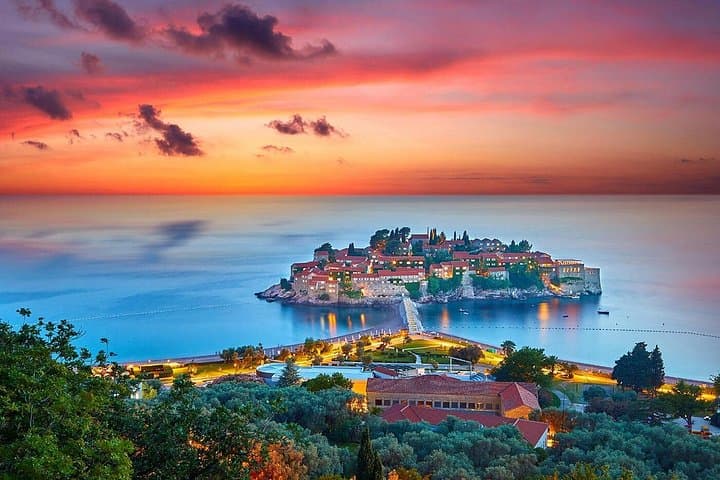
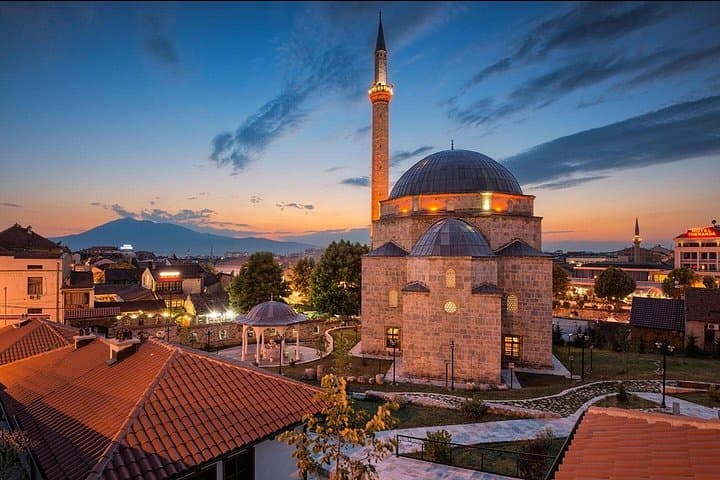
This five-day, small-group route threads three countries that have traded empires for open markets. Kotor’s fortified old town, a UNESCO site, still carries the imprint of Venetian stonework and medieval defensive planning. Inland, Kruja perches on a rocky shoulder of the Sarisalltik range and recalls Albanian resistance against Ottoman expansion, while Prizren blends Illyrian, Byzantine, and Ottoman layers along a river that seems to stitch the town together.
Geology is visible in the karst cliffs above Budva and the rounded limestone knolls near Shkoder; coastal terraces drop toward the Adriatic where seabirds and wind sketch the shoreline. Culture arrives in markets and craft workshops: filigree silver in Prizren, wooden bazaars in Kruja, and slow-food practices at Mrizi i Zanave, an agrotourism farm that revives traditional production.
Practical tip: expect several short walking sessions on cobbled streets and one uphill walk to a fortress viewpoint; comfortable shoes and a lightweight daypack will make those pauses enjoyable. Border crossings are routine but can add time—carry original travel documents and local cash for small purchases. Mornings are best for sightseeing to avoid midday heat and crowds. Bring a refillable bottle, a travel umbrella for sudden showers, and an appetite for layered history and varied coastal scenery.
easy.
4–5 days.
Suitable for most fitness levels; be prepared for several 30–90 minute walks on cobbles and a short uphill fortress climb.
Visa requirements depend on your nationality; check each country’s entry rules before travel and carry physical documents for border checks.
Yes, pickup is offered from Dubrovnik and can also be arranged from Kotor—confirm your pickup point when booking.
Walking is moderate: expect multiple short explorations of old towns (30–90 minutes) and one or two uphill fortress approaches that are short but steep.
Breakfasts are included for all nights; lunches and dinners are typically on your own except for specific listed stops like the agrotourism farm where local meals may be available.
This corridor was shaped by Illyrian settlements, Byzantine- Ottoman succession and Venetian coastal trade; each town preserves visible layers of those eras in its architecture and streets.
Cross-border tourism can strain small communities; choose local guides, buy regional products and minimize single-use plastics to support sustainable visitation.
Choose Balkans operates guided outdoor trips and adventures with an emphasis on safety, stewardship, and memorable experiences.

The day begins on a sun-warmed street in Dubrovnik as a small shuttle eases away toward an unfamiliar border. Coastal air gives way to limestone ridges; the driver steers through hairpin bends and the Adriatic keeps pace, daring you to look away.
The day begins on a sun-warmed street in Dubrovnik as a small shuttle eases away toward an unfamiliar border. Coastal air gives way to limestone ridges; the driver steers through hairpin bends and the Adriatic keeps pace, daring you to look away.
This five-day, small-group route threads three countries that have traded empires for open markets. Kotor’s fortified old town, a UNESCO site, still carries the imprint of Venetian stonework and medieval defensive planning. Inland, Kruja perches on a rocky shoulder of the Sarisalltik range and recalls Albanian resistance against Ottoman expansion, while Prizren blends Illyrian, Byzantine, and Ottoman layers along a river that seems to stitch the town together.
Geology is visible in the karst cliffs above Budva and the rounded limestone knolls near Shkoder; coastal terraces drop toward the Adriatic where seabirds and wind sketch the shoreline. Culture arrives in markets and craft workshops: filigree silver in Prizren, wooden bazaars in Kruja, and slow-food practices at Mrizi i Zanave, an agrotourism farm that revives traditional production.
Practical tip: expect several short walking sessions on cobbled streets and one uphill walk to a fortress viewpoint; comfortable shoes and a lightweight daypack will make those pauses enjoyable. Border crossings are routine but can add time—carry original travel documents and local cash for small purchases. Mornings are best for sightseeing to avoid midday heat and crowds. Bring a refillable bottle, a travel umbrella for sudden showers, and an appetite for layered history and varied coastal scenery.