THE ADVENTURE COLLECTIVE® · Independent discovery and booking for outdoor travel

A private half-day that combines a cleansing ritual at Tirta Empul with a stroll through Tegalalang’s rice terraces and a coffee-plantation visit. Expect cultural depth, easy walking, and practical guidance for respectful participation.
A private half-day that combines a cleansing ritual at Tirta Empul with a stroll through Tegalalang’s rice terraces and a coffee-plantation visit. Expect cultural depth, easy walking, and practical guidance for respectful participation.
You step from a private car into the damp, cool hush of the Tirta Empul compound — stone basins and carved shrines rise from the mist as the spring water insists on its steady course. Local guides move with quiet authority, draping sarongs and explaining the sequence of purification; the water calls for attention and steadies the breath.
Verified experiences and guided adventures in the surrounding area.
Operated by Bali Tour Destination · Ubud, Bali
You step from a private car into the damp, cool hush of the Tirta Empul compound — stone basins and carved shrines rise from the mist as the spring water insists on its steady course. Local guides move with quiet authority, draping sarongs and explaining the sequence of purification; the water calls for attention and steadies the breath.
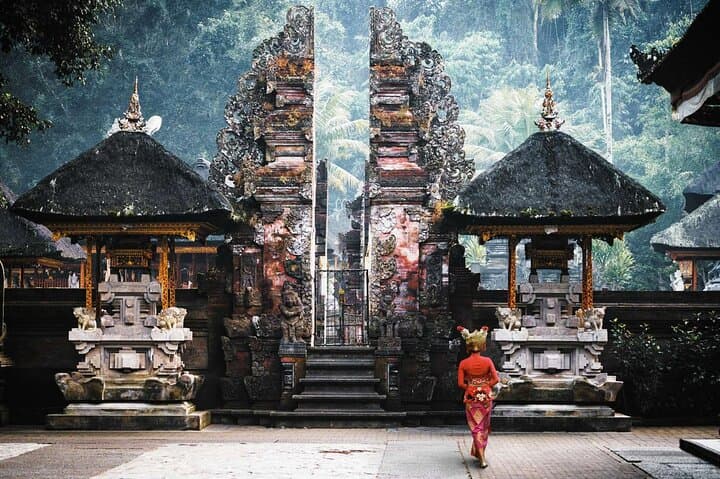
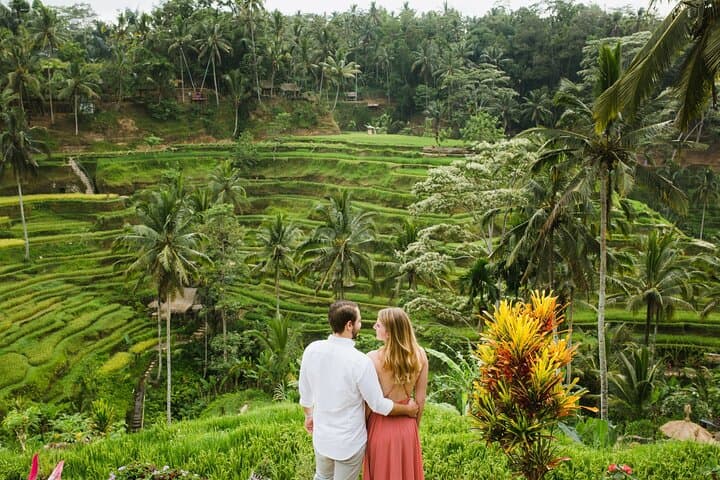
Tirta Empul dates to the 10th century under the Warmadewa dynasty and remains an active center of Balinese Hindu ritual. Nearby, the Tegalalang terraces illustrate centuries of Subak irrigation engineering — volcanic soils and carefully stacked fields channel rivers and labor into green, geometric slopes. The tour threads culture and geology: holy springs emerging from aquifers, rice paddies shaped by community water law, and the lived rhythms of temple offerings and coffee harvest.
Expect guided cleansing at the temple with provided sarong and locker, a slow walk through rice paths where farmers tend plots, and a visit to a coffee plantation to sample local brews and learn about ceremonial offerings. The pace is restorative rather than strenuous; photography is welcome but follow temple etiquette.
Practicalities: plan for 4–5 hours door-to-door from Ubud, bring modest clothing, and carry minimal valuables — lockers are provided. Hydrate before and after the ritual, wear slip-resistant shoes for wet stone, and allow extra time if you want to linger at viewpoints. This experience blends cultural insight with gentle outdoor movement, a practical, mindful half-day designed to calm and inform.
easy.
4–5 hours.
Suitable for most travelers; light walking and standing, minimal elevation change.
Plan for about 4–5 hours including hotel pickup in the Ubud area, the temple visit, rice-field walk, and coffee stop.
The ritual involves standing and stepping into shallow pools; it’s generally accessible but not recommended for those with spinal, heart conditions, or pregnancy.
Photography is permitted in many outdoor areas, but avoid taking photos of worshippers without permission; follow your guide’s cues during ceremonies.
Yes — private transportation, admission to sites, sarong rental, bottled water, and an English-speaking guide are typically included.
Tirta Empul was founded in the 10th century during the Warmadewa dynasty and remains a living center of purification rites in Balinese Hindu practice.
Visitors should stay on designated paths in rice terraces and avoid single-use plastics; local communities depend on clean irrigation and respectful tourism to sustain Subak systems.
Bali Tour Destination operates guided outdoor trips and adventures with an emphasis on safety, stewardship, and memorable experiences.
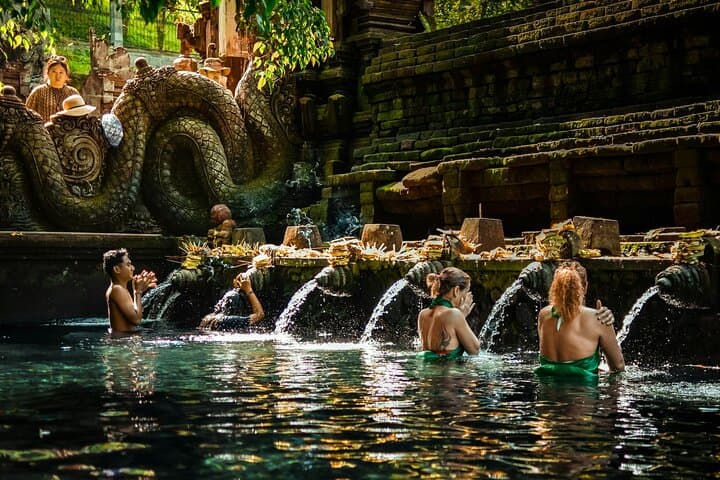
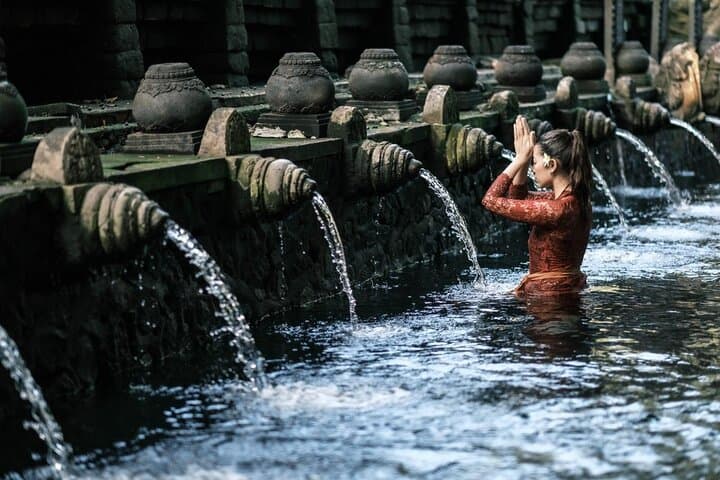
You step from a private car into the damp, cool hush of the Tirta Empul compound — stone basins and carved shrines rise from the mist as the spring water insists on its steady course. Local guides move with quiet authority, draping sarongs and explaining the sequence of purification; the water calls for attention and steadies the breath.
You step from a private car into the damp, cool hush of the Tirta Empul compound — stone basins and carved shrines rise from the mist as the spring water insists on its steady course. Local guides move with quiet authority, draping sarongs and explaining the sequence of purification; the water calls for attention and steadies the breath.
Tirta Empul dates to the 10th century under the Warmadewa dynasty and remains an active center of Balinese Hindu ritual. Nearby, the Tegalalang terraces illustrate centuries of Subak irrigation engineering — volcanic soils and carefully stacked fields channel rivers and labor into green, geometric slopes. The tour threads culture and geology: holy springs emerging from aquifers, rice paddies shaped by community water law, and the lived rhythms of temple offerings and coffee harvest.
Expect guided cleansing at the temple with provided sarong and locker, a slow walk through rice paths where farmers tend plots, and a visit to a coffee plantation to sample local brews and learn about ceremonial offerings. The pace is restorative rather than strenuous; photography is welcome but follow temple etiquette.
Practicalities: plan for 4–5 hours door-to-door from Ubud, bring modest clothing, and carry minimal valuables — lockers are provided. Hydrate before and after the ritual, wear slip-resistant shoes for wet stone, and allow extra time if you want to linger at viewpoints. This experience blends cultural insight with gentle outdoor movement, a practical, mindful half-day designed to calm and inform.