THE ADVENTURE COLLECTIVE® · Independent discovery and booking for outdoor travel

Learn Balinese spice craft and eat what you cook in a small-group class held in a traditional house compound, then visit Ubud's Sacred Monkey Forest. This hands-on cultural tour combines a two-hour cooking session with private transport and temple insights.
Learn Balinese spice craft and eat what you cook in a small-group class held in a traditional house compound, then visit Ubud's Sacred Monkey Forest. This hands-on cultural tour combines a two-hour cooking session with private transport and temple insights.
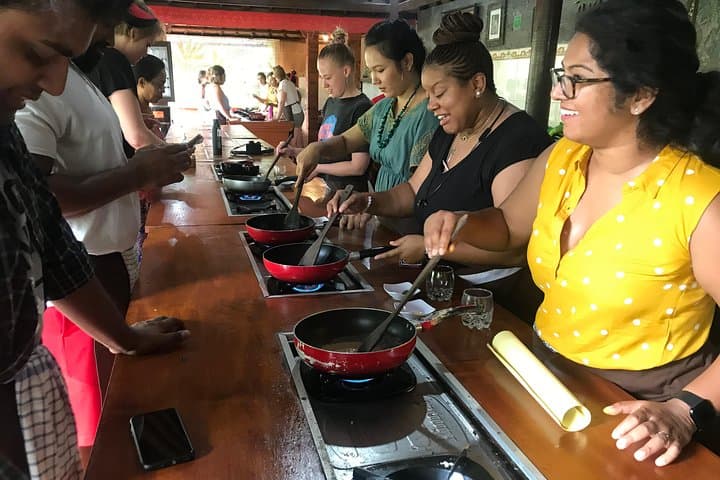
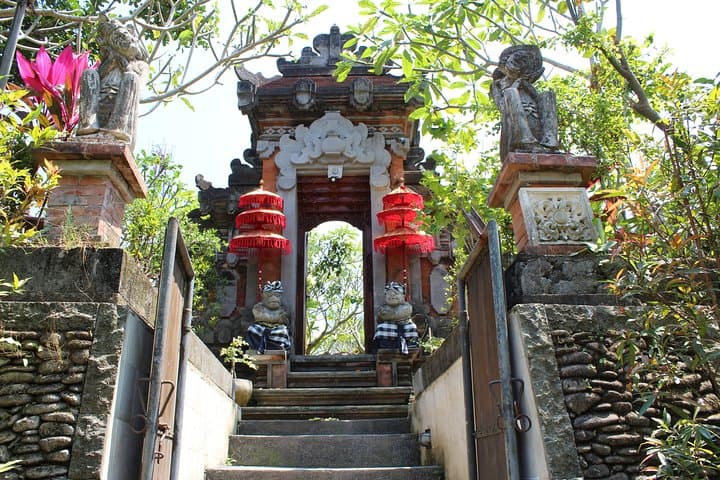
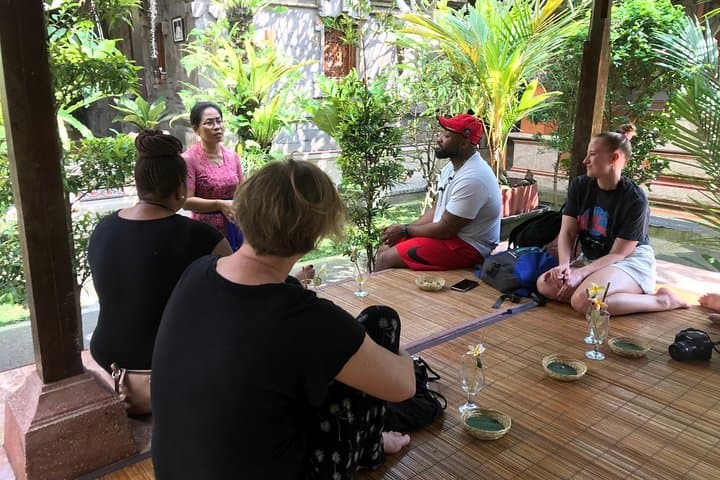
Dawn in Ubud smells of coconut oil and wood smoke; the compound gate opens onto a shaded yard where pandan and turmeric leaves fan the air. Participants gather around low work tables, the clatter of knives punctuating a guide's quiet explanation of base genep and other Balinese spice blends. Monkeys call from the trees beyond the temple walls, a constant reminder that this is both a culinary workshop and a cultural crossing point.
Verified experiences and guided adventures in the surrounding area.
Operated by Bali Yowana Tour · Ubud, Bali
Dawn in Ubud smells of coconut oil and wood smoke; the compound gate opens onto a shaded yard where pandan and turmeric leaves fan the air. Participants gather around low work tables, the clatter of knives punctuating a guide's quiet explanation of base genep and other Balinese spice blends. Monkeys call from the trees beyond the temple walls, a constant reminder that this is both a culinary workshop and a cultural crossing point.
The class unfolds in a traditional Balinese house compound, where the instructor links recipes to ritual life — sauces and spice pastes used in offerings as often as in family meals. Bali's volcanic soils and irrigation system shaped the island's rice terraces and the flavor of its produce; many ingredients taught here have been used for generations as food and herbal medicine. The included visit to the Sacred Monkey Forest (Padangtegal) introduces local wildlife ecology and the village temples that anchor community life.
Practical notes follow the sensory: the hands-on lesson lasts about two hours within a roughly 7-hour program that includes private transport and lunch of the dishes you prepare. The tour operates in most weather; bring a refillable water bottle, sun protection and a small donation for temple upkeep. Be mindful around macaques—avoid loose snacks and sunglasses. If you have nut or soy allergies tell organizers in advance; many traditional sauces use peanuts and kecap manis.
Morning departures are cooler and quieter; afternoon options may pair with nearby Tirta Empul, Tegalalang rice terraces or Tegenungan waterfall for a full-day cultural loop that balances learning, tasting and easy exploration.
easy.
6–7 hours.
Suitable for most travelers; requires standing, light walking and basic kitchen tasks.
Yes—round-trip private transfer from select hotels and the lunch you cook are included in the all-inclusive option.
The itinerary pairs the cooking class with a visit to the Sacred Monkey Forest Ubud; entry is included for tour options that list the tour add-on.
Vegetarian options are usually possible but allergens like peanuts and soy are common—contact the operator ahead to confirm accommodations.
Families can join but check with the provider about age limits and supervise children around sharp tools and inquisitive macaques.
The Sacred Monkey Forest is a community-maintained complex of temples tied to traditional Balinese Hindu practices; many recipes taught here reflect centuries of local household cooking.
Donations support temple and forest upkeep; avoid feeding monkeys and minimize single-use plastics to reduce human-wildlife conflict and pollution.
Bali Yowana Tour operates guided outdoor trips and adventures with an emphasis on safety, stewardship, and memorable experiences.

Dawn in Ubud smells of coconut oil and wood smoke; the compound gate opens onto a shaded yard where pandan and turmeric leaves fan the air. Participants gather around low work tables, the clatter of knives punctuating a guide's quiet explanation of base genep and other Balinese spice blends. Monkeys call from the trees beyond the temple walls, a constant reminder that this is both a culinary workshop and a cultural crossing point.
Dawn in Ubud smells of coconut oil and wood smoke; the compound gate opens onto a shaded yard where pandan and turmeric leaves fan the air. Participants gather around low work tables, the clatter of knives punctuating a guide's quiet explanation of base genep and other Balinese spice blends. Monkeys call from the trees beyond the temple walls, a constant reminder that this is both a culinary workshop and a cultural crossing point.
The class unfolds in a traditional Balinese house compound, where the instructor links recipes to ritual life — sauces and spice pastes used in offerings as often as in family meals. Bali's volcanic soils and irrigation system shaped the island's rice terraces and the flavor of its produce; many ingredients taught here have been used for generations as food and herbal medicine. The included visit to the Sacred Monkey Forest (Padangtegal) introduces local wildlife ecology and the village temples that anchor community life.
Practical notes follow the sensory: the hands-on lesson lasts about two hours within a roughly 7-hour program that includes private transport and lunch of the dishes you prepare. The tour operates in most weather; bring a refillable water bottle, sun protection and a small donation for temple upkeep. Be mindful around macaques—avoid loose snacks and sunglasses. If you have nut or soy allergies tell organizers in advance; many traditional sauces use peanuts and kecap manis.
Morning departures are cooler and quieter; afternoon options may pair with nearby Tirta Empul, Tegalalang rice terraces or Tegenungan waterfall for a full-day cultural loop that balances learning, tasting and easy exploration.