THE ADVENTURE COLLECTIVE® · Independent discovery and booking for outdoor travel

Spend a private day from Ubud chasing waterfalls, rice-terrace views and a sacred purification spring. This door-to-door tour combines photo-ready stops — Tegalalang, Tirta Empul, Tibumana and Kanto Lampo — with cultural moments in Penglipuran village.
Spend a private day from Ubud chasing waterfalls, rice-terrace views and a sacred purification spring. This door-to-door tour combines photo-ready stops — Tegalalang, Tirta Empul, Tibumana and Kanto Lampo — with cultural moments in Penglipuran village.
You step out of the minivan into a humid hush: rice terraces slope away in bands of green, a temple bell rings somewhere down the road and the jungle seems to inhale. This private door-to-door tour from Ubud strings together the region's most photographable moments — a 20-meter swing that flings you over farmland, curtain waterfalls that thunder into emerald pools, and a 1,000-year-old spring where Balinese come to cleanse.
Verified experiences and guided adventures in the surrounding area.
Operated by BaliDriverGede · Ubud, Bali
You step out of the minivan into a humid hush: rice terraces slope away in bands of green, a temple bell rings somewhere down the road and the jungle seems to inhale. This private door-to-door tour from Ubud strings together the region's most photographable moments — a 20-meter swing that flings you over farmland, curtain waterfalls that thunder into emerald pools, and a 1,000-year-old spring where Balinese come to cleanse.
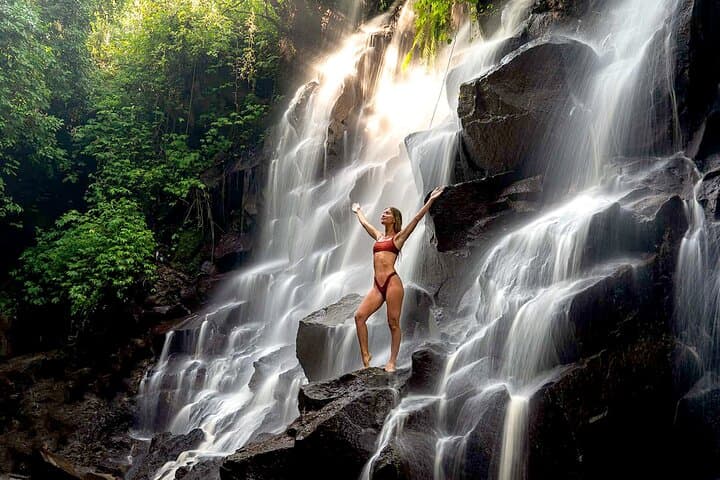
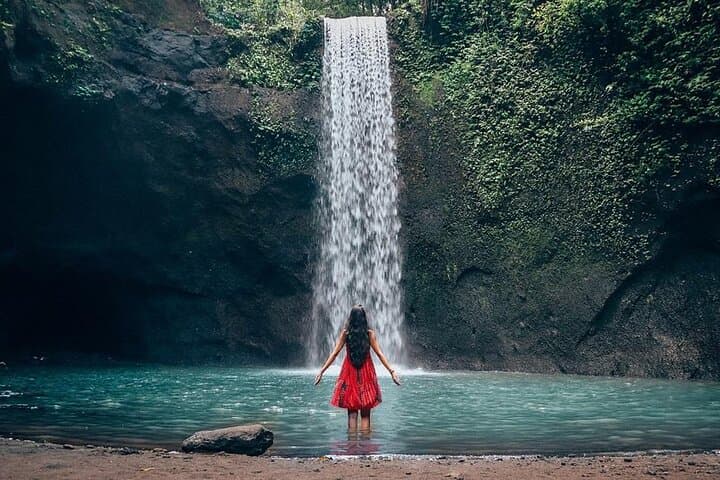
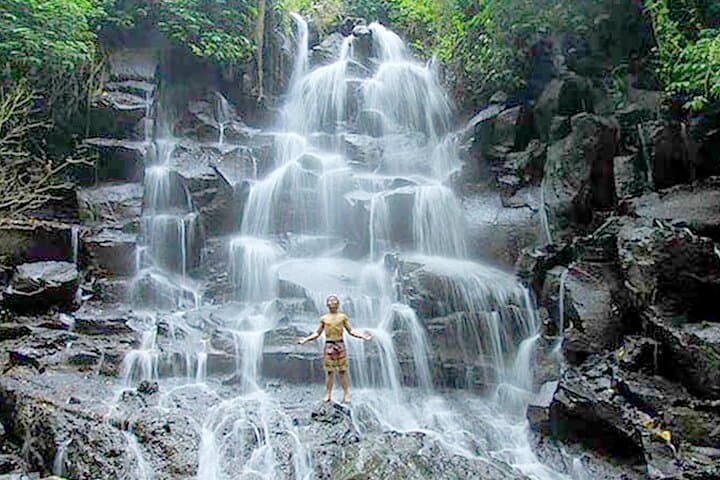
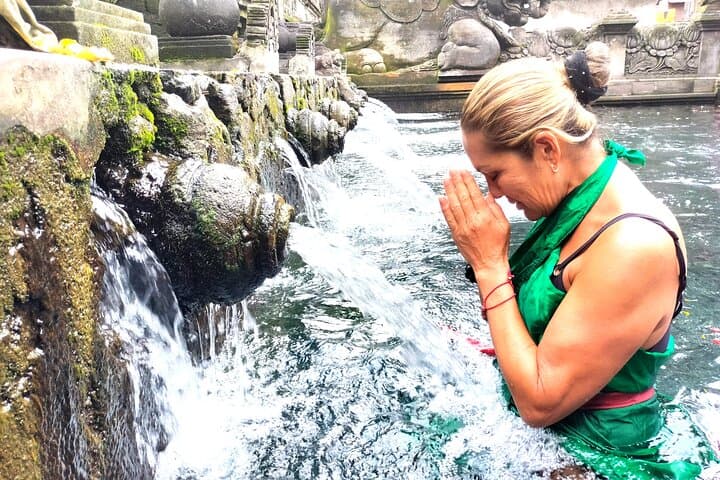
The route threads through central Bali's layered history. Tegalalang's terraces are recent engineering over centuries-old subak irrigation systems that still follow communal water rules. Tirta Empul dates to the 10th century and remains an active purification temple; its stone spouts and ritual pools are as much a living cultural site as an architectural one. The limestone bedrock and volcanic soils here shape waterfalls like Kanto Lampo and Tibumana — water finds seams in the rock, then drops with sudden intent, carving plunge pools visitors can wade into.
Penglipuran Village sits apart for its preserved layout and commitment to Tri Hita Karana, the Balinese philosophy balancing divine, human and environmental relationships. Walk its lanes and you’ll see people still tending offerings, making bamboo tools and weaving, all under the watchful roster of frangipani and coconut palms.
Practical guide: expect a 9–10 hour day with private transport and multiple short walks. Kanto Lampo and Tibumana require negotiating uneven stone steps and muddy approaches; bring water shoes if you plan to swim. At Tirta Empul, modest clothing and a sarong are required — sarongs can be rented on site, but bringing one speeds the process. The Tegalalang swing operators run on a pay-per-ride system; lines form mid-morning, so schedule this early or late for cleaner light and fewer people.
Local etiquette matters: at Tirta Empul follow the flow of worshippers, don’t interrupt rituals and use the provided sarong correctly. At villages, ask before photographing people. Keep plastic and trash in your bag; several destinations are working on sustainability initiatives and welcome low-impact visitors.
Timing tips: aim for sunrise into late morning for soft light on the terraces, then mid-afternoon for waterfalls when the path dries. The private format lets you linger where you want — use it to duck into a handicraft studio or pause at a coffee stand to sample kopi luwak and local snacks.
This tour reads like a compact primer on Ubud’s landscapes: geological motion, rice-terrace craft, ritual water, and the wild impulse to swing out over a valley and feel the island push back. It’s designed as an easy but active day — bring sensible shoes, a respectful attitude and a charged camera.
moderate.
9–10 hours.
Good for travelers comfortable with multiple short hikes, steps and uneven terrain; low overall cardio demand.
The private tour runs approximately 9–10 hours (540–600 minutes) including transfers and stops.
Yes — Tibumana has a natural pool safe for swimming; Kanto Lampo has shallow wading areas but exercise caution on slippery rocks.
The tour price covers private transport; local entrance or swing fees are typically paid on-site and are not always included.
Yes — the tour accepts families; infants must sit on laps in the vehicle and child seats are available on request.
Modest clothing is required: shoulders and knees covered. You’ll need a sarong and sash to enter the purification pools; rentals are available at the temple.
This itinerary includes steps and uneven paths at waterfalls and villages; travelers with limited mobility may find some stops difficult and should discuss options with the operator.
Tirta Empul is an active 10th-century temple centered on purification springs; surrounding villages, including Penglipuran, maintain traditional Balinese village layouts and rituals.
Sites face pressure from tourism; visitors are encouraged to minimize waste, respect ceremonies and support certified local businesses that follow sustainable practices.
BaliDriverGede operates guided outdoor trips and adventures with an emphasis on safety, stewardship, and memorable experiences.
You step out of the minivan into a humid hush: rice terraces slope away in bands of green, a temple bell rings somewhere down the road and the jungle seems to inhale. This private door-to-door tour from Ubud strings together the region's most photographable moments — a 20-meter swing that flings you over farmland, curtain waterfalls that thunder into emerald pools, and a 1,000-year-old spring where Balinese come to cleanse.
You step out of the minivan into a humid hush: rice terraces slope away in bands of green, a temple bell rings somewhere down the road and the jungle seems to inhale. This private door-to-door tour from Ubud strings together the region's most photographable moments — a 20-meter swing that flings you over farmland, curtain waterfalls that thunder into emerald pools, and a 1,000-year-old spring where Balinese come to cleanse.
The route threads through central Bali's layered history. Tegalalang's terraces are recent engineering over centuries-old subak irrigation systems that still follow communal water rules. Tirta Empul dates to the 10th century and remains an active purification temple; its stone spouts and ritual pools are as much a living cultural site as an architectural one. The limestone bedrock and volcanic soils here shape waterfalls like Kanto Lampo and Tibumana — water finds seams in the rock, then drops with sudden intent, carving plunge pools visitors can wade into.
Penglipuran Village sits apart for its preserved layout and commitment to Tri Hita Karana, the Balinese philosophy balancing divine, human and environmental relationships. Walk its lanes and you’ll see people still tending offerings, making bamboo tools and weaving, all under the watchful roster of frangipani and coconut palms.
Practical guide: expect a 9–10 hour day with private transport and multiple short walks. Kanto Lampo and Tibumana require negotiating uneven stone steps and muddy approaches; bring water shoes if you plan to swim. At Tirta Empul, modest clothing and a sarong are required — sarongs can be rented on site, but bringing one speeds the process. The Tegalalang swing operators run on a pay-per-ride system; lines form mid-morning, so schedule this early or late for cleaner light and fewer people.
Local etiquette matters: at Tirta Empul follow the flow of worshippers, don’t interrupt rituals and use the provided sarong correctly. At villages, ask before photographing people. Keep plastic and trash in your bag; several destinations are working on sustainability initiatives and welcome low-impact visitors.
Timing tips: aim for sunrise into late morning for soft light on the terraces, then mid-afternoon for waterfalls when the path dries. The private format lets you linger where you want — use it to duck into a handicraft studio or pause at a coffee stand to sample kopi luwak and local snacks.
This tour reads like a compact primer on Ubud’s landscapes: geological motion, rice-terrace craft, ritual water, and the wild impulse to swing out over a valley and feel the island push back. It’s designed as an easy but active day — bring sensible shoes, a respectful attitude and a charged camera.