THE ADVENTURE COLLECTIVE® · Independent discovery and booking for outdoor travel

Spend a day trekking jungle trails around Tamblingan and Buyan, then paddle a local canoe on glassy upland lakes and finish with a swim beneath a secluded waterfall. This remote Bedugul route combines short hikes, cultural lakeside temples, and clear-water paddling away from Bali’s busiest spots.
Spend a day trekking jungle trails around Tamblingan and Buyan, then paddle a local canoe on glassy upland lakes and finish with a swim beneath a secluded waterfall. This remote Bedugul route combines short hikes, cultural lakeside temples, and clear-water paddling away from Bali’s busiest spots.
A cool mist lifts off the twin lakes as the group steps from a narrow village lane into a forested trail. The scent of damp earth and cloves hangs in the air; the jungle presses close and then opens onto water—mirror-flat Tamblingan, fringed by mossy stones and temple rooftops. Canoes put off from the shore with the soft scrape of oars, and paddles send small ripples racing toward the opposite rim.
Verified experiences and guided adventures in the surrounding area.
Operated by Bali Lovina Tours · Bedugul, Bali
A cool mist lifts off the twin lakes as the group steps from a narrow village lane into a forested trail. The scent of damp earth and cloves hangs in the air; the jungle presses close and then opens onto water—mirror-flat Tamblingan, fringed by mossy stones and temple rooftops. Canoes put off from the shore with the soft scrape of oars, and paddles send small ripples racing toward the opposite rim.
This route threads Bedugul’s upland lakes—Tamblingan and Buyan—set on volcanic highlands formed by ancient eruptions that shaped Bali’s caldera lakes. The area’s temples, including small shrines on lake edges, reflect centuries of water-focused Balinese Hindu practice: rituals to Dewi Danu, the lake goddess, remain visible in carved stone and offerings.
Treks here are practical and intimate: expect forest paths of 1–4 km between viewpoints and shorelines, modest elevation around 1,100–1,400 m, and short stair-like sections where roots and stones demand attention. Canoe legs are generally 20–60 minutes on calm water; local paddlers often guide and explain traditional life tied to the lakes.
Plan for variable weather—sun can be sudden, rain can arrive within minutes—and for slippery sections near the waterfall. Bring a waterproof pack, a sturdy sole for uneven trails, and enough water for an 8–10 hour day. Time your visit for morning light when the temples and reflections are at their best, and leave no trace at temples and swimming spots. The end-of-day plunge beneath Banyumala’s tiers rewards the hike with a clear, cool swim before the return drive down through tree-lined roads.
moderate.
8–10 hours.
Moderate fitness — comfortable walking 5–8 km across uneven terrain and paddling intermittently; stair descents and short climbs are involved.
Expect moderate exertion: several short hikes of 1–4 km across uneven trails, plus canoeing that requires basic paddling effort; a moderate fitness level is recommended.
Yes — Banyumala typically has a clear plunge pool suitable for swimming, but check with your guide for safety and current water conditions before entering.
Yes — local guides and canoe operators typically accompany the group, share cultural context, and manage boat safety.
Typical inclusions are lunch, a guide, coffee/tea, admission fees and sometimes walking sticks or hotel transfer if selected — confirm details when booking.
The highland lakes are part of a volcanic landscape that has long supported Balinese water temples; Ulun Danu-style worship of water deities dates back several centuries and shapes local irrigation and ritual practice.
The lakes are an important watershed; stay on marked paths, avoid littering, and use local guides who support community-based tourism to reduce pressure on sensitive shoreline and temple sites.
Bali Lovina Tours operates guided outdoor trips and adventures with an emphasis on safety, stewardship, and memorable experiences.
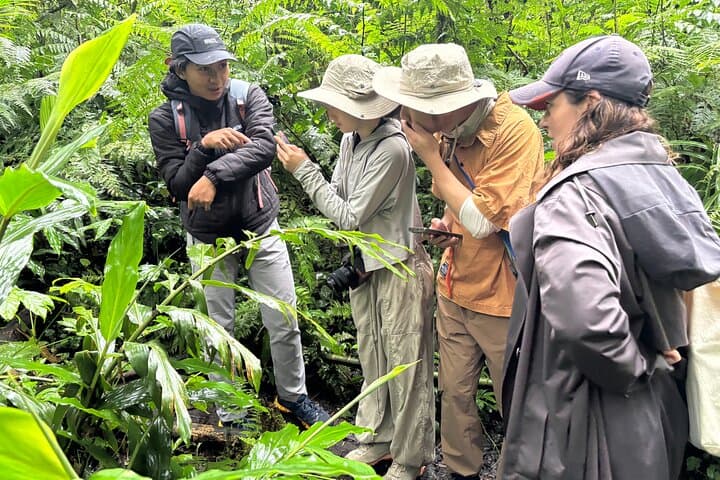
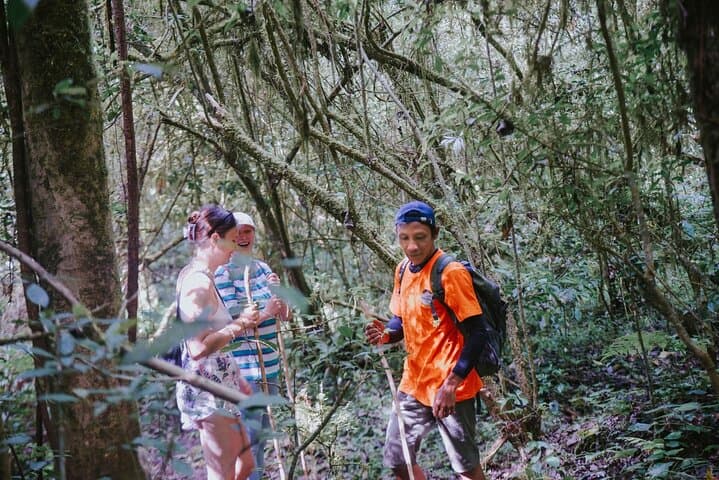
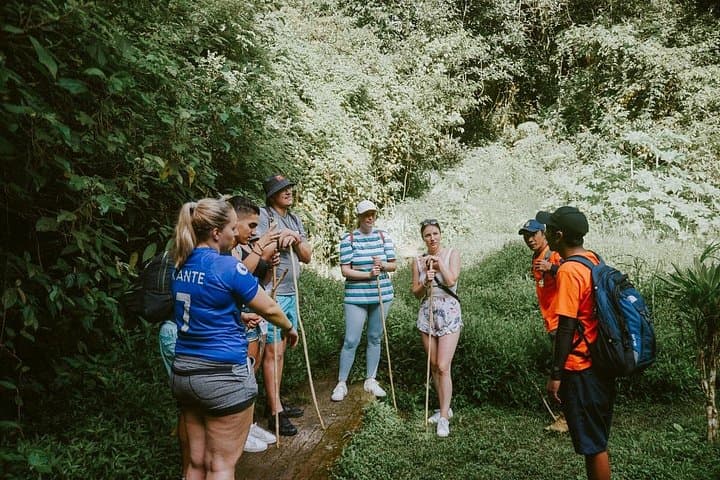
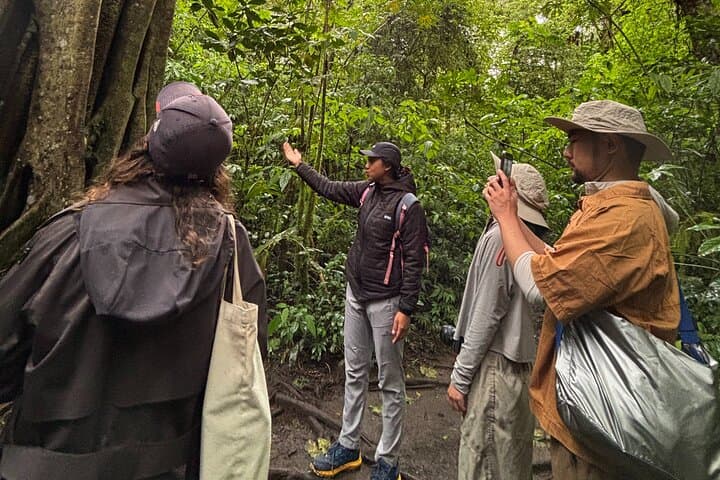
A cool mist lifts off the twin lakes as the group steps from a narrow village lane into a forested trail. The scent of damp earth and cloves hangs in the air; the jungle presses close and then opens onto water—mirror-flat Tamblingan, fringed by mossy stones and temple rooftops. Canoes put off from the shore with the soft scrape of oars, and paddles send small ripples racing toward the opposite rim.
A cool mist lifts off the twin lakes as the group steps from a narrow village lane into a forested trail. The scent of damp earth and cloves hangs in the air; the jungle presses close and then opens onto water—mirror-flat Tamblingan, fringed by mossy stones and temple rooftops. Canoes put off from the shore with the soft scrape of oars, and paddles send small ripples racing toward the opposite rim.
This route threads Bedugul’s upland lakes—Tamblingan and Buyan—set on volcanic highlands formed by ancient eruptions that shaped Bali’s caldera lakes. The area’s temples, including small shrines on lake edges, reflect centuries of water-focused Balinese Hindu practice: rituals to Dewi Danu, the lake goddess, remain visible in carved stone and offerings.
Treks here are practical and intimate: expect forest paths of 1–4 km between viewpoints and shorelines, modest elevation around 1,100–1,400 m, and short stair-like sections where roots and stones demand attention. Canoe legs are generally 20–60 minutes on calm water; local paddlers often guide and explain traditional life tied to the lakes.
Plan for variable weather—sun can be sudden, rain can arrive within minutes—and for slippery sections near the waterfall. Bring a waterproof pack, a sturdy sole for uneven trails, and enough water for an 8–10 hour day. Time your visit for morning light when the temples and reflections are at their best, and leave no trace at temples and swimming spots. The end-of-day plunge beneath Banyumala’s tiers rewards the hike with a clear, cool swim before the return drive down through tree-lined roads.