THE ADVENTURE COLLECTIVE® · Independent discovery and booking for outdoor travel

Spend a day in Ubud’s rainforest temple for a focused Balinese blessing led by a pemangku. This private, 7–8 hour journey combines a 20-minute prayer ritual, traditional attire, and mindful cultural immersion in Bali’s volcanic river valleys.
Spend a day in Ubud’s rainforest temple for a focused Balinese blessing led by a pemangku. This private, 7–8 hour journey combines a 20-minute prayer ritual, traditional attire, and mindful cultural immersion in Bali’s volcanic river valleys.
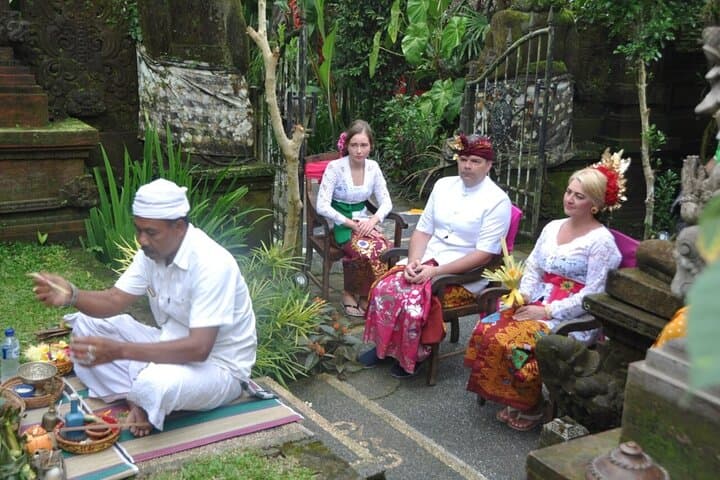
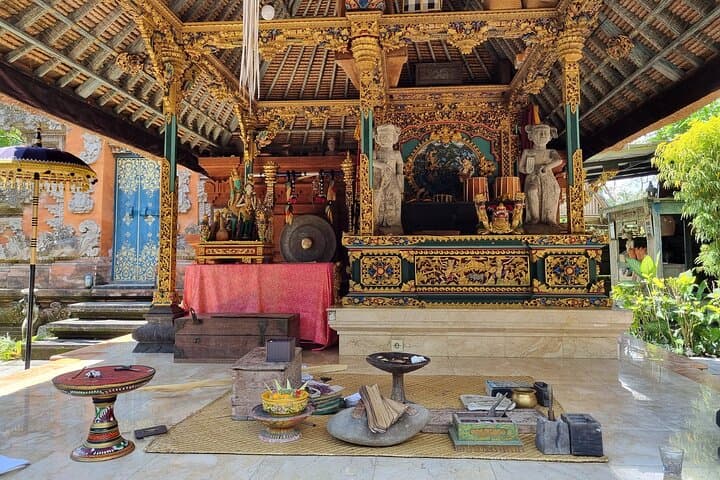
You step out of an air-conditioned car and the rainforest leans close—humid air, the sharp scent of frangipani, and the distant chime of a temple bell. A narrow stone path climbs toward a small temple complex where a pemangku, a Balinese priest, waits to lead a short, focused blessing that has shaped daily life here for centuries.
Verified experiences and guided adventures in the surrounding area.
Operated by Explores Bali · Ubud, Bali
You step out of an air-conditioned car and the rainforest leans close—humid air, the sharp scent of frangipani, and the distant chime of a temple bell. A narrow stone path climbs toward a small temple complex where a pemangku, a Balinese priest, waits to lead a short, focused blessing that has shaped daily life here for centuries.
The ritual is compact—about 20 minutes of prayer, offerings (canang), and guided intentions—but it sits inside a longer day that moves through Ubud’s river valleys and volcanic soils. Bali’s central highlands are products of recent volcanism; rivers have carved steep gorges and nourished terraced rice that support the subak irrigation tradition tied to temple life. The experience layers culture and geology: water is not just background, it is active participant, and the priest’s words follow a lineage of Balinese Hindu practice.
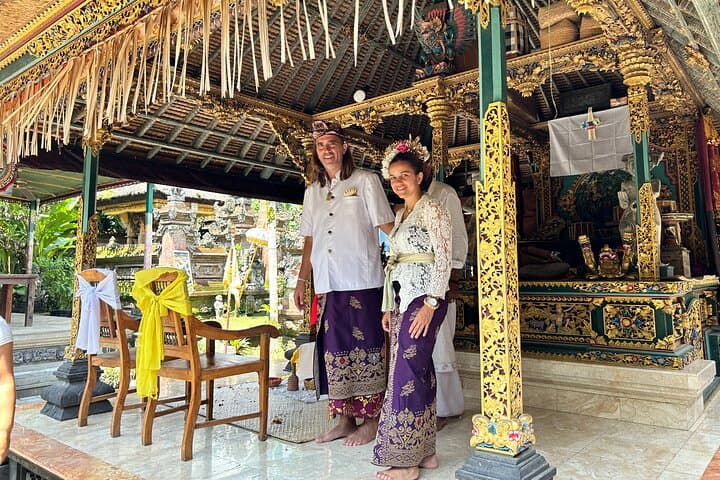
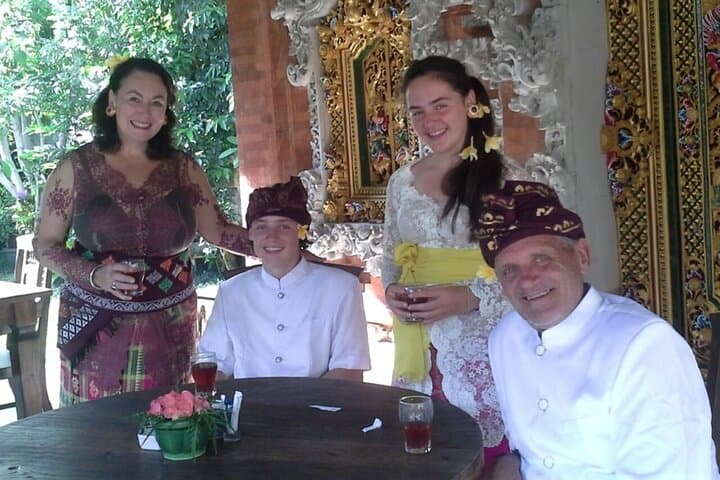
Expect traditional attire provided—kebaya for women, sarong and sash for men—plus a gentle cleansing and styling ritual if selected. Photography is common but always ask first; the ceremony centers on respect and attention.
Practical guide: plan a full 7–8 hour day that includes hotel pickup, transport, and a meal. Wear lightweight, modest clothing; closed-toe shoes for the forest approach; bring sun protection and a refillable water bottle. If you have heart issues, consult your doctor—the tour lists cardiovascular cautions. Morning departures are cooler and less crowded; rainy-season afternoons can bring sudden downpours, so a compact rain jacket is smart.
This is a cultural immersion first and an outdoor stroll second—expect quiet focus, vivid local rituals, and a direct encounter with the living spiritual landscape of Ubud.
easy.
7–8 hours.
Suitable for most fitness levels; involves short walks on uneven, sometimes wet paths
The ritual itself lasts about 20 minutes; the full private tour including transport and meals typically runs 7–8 hours.
Traditional attire is provided and recommended for the ceremony to show respect; modest clothing underneath is appropriate.
Yes—physical demands are minimal, but travelers with serious heart conditions should avoid participating according to the tour’s guidance.
Photography is usually allowed but you should ask the priest or guide first and avoid intrusive flashes or interrupting actions.
Balinese temple rituals are rooted in Balinese Hinduism and the island’s subak irrigation system; pemangku priests maintain local rites that link water, agriculture, and community.
Respect temple grounds by staying on paths, disposing of waste properly, and choosing tours that support local guides and community practices.
Explores Bali operates guided outdoor trips and adventures with an emphasis on safety, stewardship, and memorable experiences.
You step out of an air-conditioned car and the rainforest leans close—humid air, the sharp scent of frangipani, and the distant chime of a temple bell. A narrow stone path climbs toward a small temple complex where a pemangku, a Balinese priest, waits to lead a short, focused blessing that has shaped daily life here for centuries.
You step out of an air-conditioned car and the rainforest leans close—humid air, the sharp scent of frangipani, and the distant chime of a temple bell. A narrow stone path climbs toward a small temple complex where a pemangku, a Balinese priest, waits to lead a short, focused blessing that has shaped daily life here for centuries.
The ritual is compact—about 20 minutes of prayer, offerings (canang), and guided intentions—but it sits inside a longer day that moves through Ubud’s river valleys and volcanic soils. Bali’s central highlands are products of recent volcanism; rivers have carved steep gorges and nourished terraced rice that support the subak irrigation tradition tied to temple life. The experience layers culture and geology: water is not just background, it is active participant, and the priest’s words follow a lineage of Balinese Hindu practice.
Expect traditional attire provided—kebaya for women, sarong and sash for men—plus a gentle cleansing and styling ritual if selected. Photography is common but always ask first; the ceremony centers on respect and attention.
Practical guide: plan a full 7–8 hour day that includes hotel pickup, transport, and a meal. Wear lightweight, modest clothing; closed-toe shoes for the forest approach; bring sun protection and a refillable water bottle. If you have heart issues, consult your doctor—the tour lists cardiovascular cautions. Morning departures are cooler and less crowded; rainy-season afternoons can bring sudden downpours, so a compact rain jacket is smart.
This is a cultural immersion first and an outdoor stroll second—expect quiet focus, vivid local rituals, and a direct encounter with the living spiritual landscape of Ubud.