THE ADVENTURE COLLECTIVE® · Independent discovery and booking for outdoor travel

Spend a full day across Bali’s southern Bukit Peninsula—sea turtles at Serangan, the monumental Garuda Wisnu sculpture, hidden Bukit beaches, and a cliffside sunset and Kecak dance at Uluwatu. This practical guide helps you plan for beach access, cultural etiquette, and timing for the best light.
Spend a full day across Bali’s southern Bukit Peninsula—sea turtles at Serangan, the monumental Garuda Wisnu sculpture, hidden Bukit beaches, and a cliffside sunset and Kecak dance at Uluwatu. This practical guide helps you plan for beach access, cultural etiquette, and timing for the best light.
The day opens with salt on the breeze and the sound of waves hitting limestone cliffs as you drive onto Bali’s Bukit Peninsula.
Verified experiences and guided adventures in the surrounding area.
Operated by SunSunBali · Uluwatu, Bali
The day opens with salt on the breeze and the sound of waves hitting limestone cliffs as you drive onto Bali’s Bukit Peninsula.
Start at Serangan’s turtle conservation where slow-moving shells drift in shaded pools and guides explain hatchling releases and local threats to reefs. From there the road unfurls toward Nusa Dua’s calm bays—warm water, forgiving sand, and the chance to strip off shoes and wade.
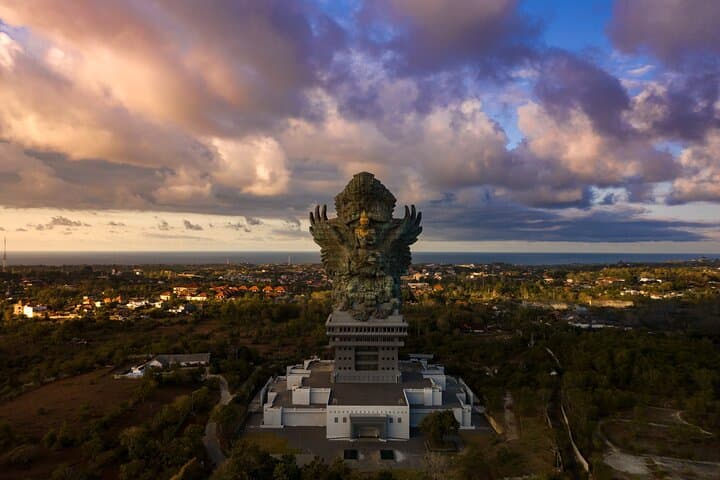
Geology here is coastal limestone—steep cliffs, hidden coves cut by wave action, and narrow beach approaches that often involve stairs or a short scramble. Culture arrives as concrete: the Garuda Wisnu Kencana monument rises above sculpted gardens, a modern landmark honoring Hindu myth; later Uluwatu Temple perches on a sheer promontory, an active pura where evening offerings and the haunting Kecak dance meet sunset.
Expect local rhythms—shrimp boats at Jimbaran, monkeys near the temple, schoolchildren selling cold coconuts—and practical choices: tides influence beach access, and some coves require steep descents. Optional stops like Pandawa, Melasti, and Nyang Nyang each offer different beach gradients and swimming conditions.
Plan a long day (6–12 hours) with sun protection, sensible footwear for sand and stairs, and time for a seafood dinner in Jimbaran if you stay for nightfall. Bring reef‑safe sunscreen, a refillable bottle, and cash for small vendors. The tour is equal parts natural scenery and living Balinese ritual—bring curiosity and respect, and the peninsula will repay you with wide ocean views and a clear sense of place.
easy.
6–12 hours.
Suitable for most fitness levels; expect periods of standing, short walks, and some stair climbs to beaches
Yes — the Kecak performance typically has a separate ticket at the Uluwatu amphitheater; timing and prices vary so check locally or with your guide.
Most beaches allow swimming, but conditions vary—Nusa Dua is calm, while Nyang Nyang and some coves have strong currents; follow local lifeguard advice and avoid swimming after heavy rain.
The tour is marketed as suitable for all fitness levels, but several beach accesses involve stairs and steep paths; inform the operator if mobility is limited so alternatives can be arranged.
Yes — Serangan’s conservation center offers educational encounters with turtles, but interactions are managed by staff to protect animals and visitors.
Uluwatu is one of Bali’s prominent sea temples and an important site for Balinese Hindu ritual life; the Bukit coastline has long been a maritime frontier shaping local fishing and temple traditions.
Serangan hosts sea turtle conservation work focusing on hatchling survival and education; visitors should avoid leaving plastic on beaches and use reef‑safe products to reduce reef stress.
SunSunBali operates guided outdoor trips and adventures with an emphasis on safety, stewardship, and memorable experiences.



The day opens with salt on the breeze and the sound of waves hitting limestone cliffs as you drive onto Bali’s Bukit Peninsula.
The day opens with salt on the breeze and the sound of waves hitting limestone cliffs as you drive onto Bali’s Bukit Peninsula.
Start at Serangan’s turtle conservation where slow-moving shells drift in shaded pools and guides explain hatchling releases and local threats to reefs. From there the road unfurls toward Nusa Dua’s calm bays—warm water, forgiving sand, and the chance to strip off shoes and wade.
Geology here is coastal limestone—steep cliffs, hidden coves cut by wave action, and narrow beach approaches that often involve stairs or a short scramble. Culture arrives as concrete: the Garuda Wisnu Kencana monument rises above sculpted gardens, a modern landmark honoring Hindu myth; later Uluwatu Temple perches on a sheer promontory, an active pura where evening offerings and the haunting Kecak dance meet sunset.
Expect local rhythms—shrimp boats at Jimbaran, monkeys near the temple, schoolchildren selling cold coconuts—and practical choices: tides influence beach access, and some coves require steep descents. Optional stops like Pandawa, Melasti, and Nyang Nyang each offer different beach gradients and swimming conditions.
Plan a long day (6–12 hours) with sun protection, sensible footwear for sand and stairs, and time for a seafood dinner in Jimbaran if you stay for nightfall. Bring reef‑safe sunscreen, a refillable bottle, and cash for small vendors. The tour is equal parts natural scenery and living Balinese ritual—bring curiosity and respect, and the peninsula will repay you with wide ocean views and a clear sense of place.