THE ADVENTURE COLLECTIVE® · Independent discovery and booking for outdoor travel

Walk the sea floor at Tanjung Benoa in Nusa Dua with a clear, oxygen-fed helmet—an accessible way to meet reef fish and shallow coral without scuba certification. This supervised experience pairs easy physical demands with close-up marine viewing.
Walk the sea floor at Tanjung Benoa in Nusa Dua with a clear, oxygen-fed helmet—an accessible way to meet reef fish and shallow coral without scuba certification. This supervised experience pairs easy physical demands with close-up marine viewing.
You step off a low skiff and into warm, clear water; the surface glints like a restless mirror while a guide straps a heavy, clear helmet onto your shoulders. The helmet seals around your neck and a gentle flow of air replaces the sky—suddenly fish circle your ankles and the reef floor is an alien meadow. The walk is shallow, deliberate, and oddly intimate: currents nudge, small schools dart like punctuation, and the guide points out clams and coral formations.
Verified experiences and guided adventures in the surrounding area.
Operated by Best Adventure In Bali · Nusa Dua, Bali
You step off a low skiff and into warm, clear water; the surface glints like a restless mirror while a guide straps a heavy, clear helmet onto your shoulders. The helmet seals around your neck and a gentle flow of air replaces the sky—suddenly fish circle your ankles and the reef floor is an alien meadow. The walk is shallow, deliberate, and oddly intimate: currents nudge, small schools dart like punctuation, and the guide points out clams and coral formations.
Tanjung Benoa and nearby Nusa Dua have become Bali’s playground for marine sports over the past few decades, sitting on a sandbar of young limestone and reef built on volcanic foundations. Historically a fishing and boat-building community, the area now balances culture and tourism—local boat crews still maintain traditional skills even as they run modern watersport fleets.
Expect white sand beaches, a seabed that alternates between sand and patchy coral, and plentiful tropical fish rather than deep-wall diving drama. The experience is low-impact on the body but high on sensory detail: salt on your lips, the helmet’s steady hum, sunlight striping the sea floor.
Practical guidance: arrive with swimwear under quick-dry clothing, listen to the safety briefing on equalizing and helmet entry, and avoid touching coral. Operators provide helmets with surface-supplied air; medical restrictions (pregnancy, serious heart or spinal conditions) are enforced. Morning slots offer glassier water and better visibility; late afternoon can produce chop from passing boats. This is an approachable marine introduction—safe, supervised, and memorable for first-time underwater explorers.
easy.
45 minutes.
Suitable for most people in basic physical condition; you should be able to walk in shallow water and follow briefings.
Yes—helmets keep your head dry and operators provide step-by-step guidance; non-swimmers can participate but should be comfortable walking in shallow water.
Walks are typically in shallow water (around 3–6 meters); pressure is mild but briefing covers equalizing and entry techniques.
Not recommended for pregnant guests or travelers with serious heart or spinal conditions; disclose any issues during booking.
Most operators restrict personal cameras under the helmet; many provide souvenir photos taken from boats or by guides.
Tanjung Benoa evolved from traditional fishing and boat-building into a watersport hub; local communities blend seafaring skills with tourism services.
Coral patches here are vulnerable—follow operator guidance to avoid standing on reefs and choose companies that use mooring buoys rather than anchors.
Best Adventure In Bali operates guided outdoor trips and adventures with an emphasis on safety, stewardship, and memorable experiences.
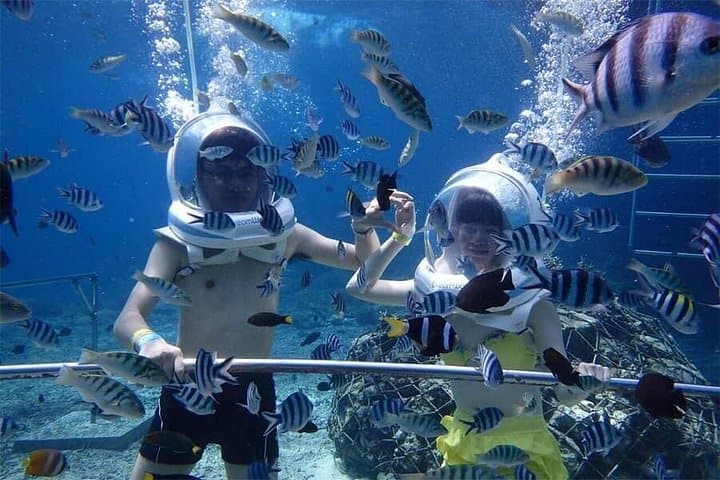
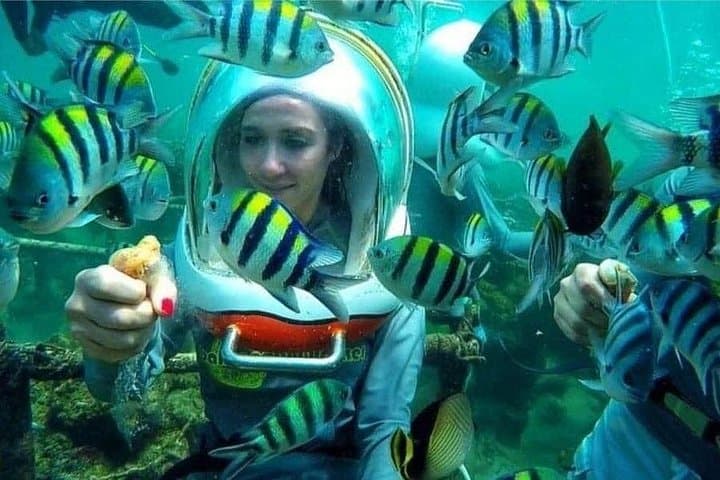
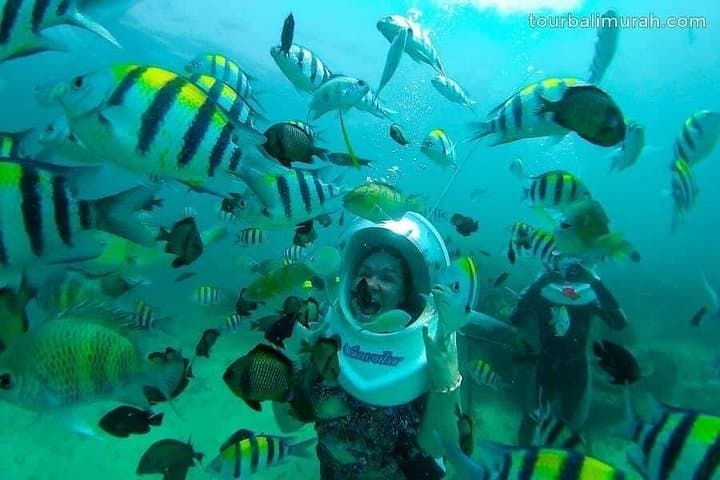
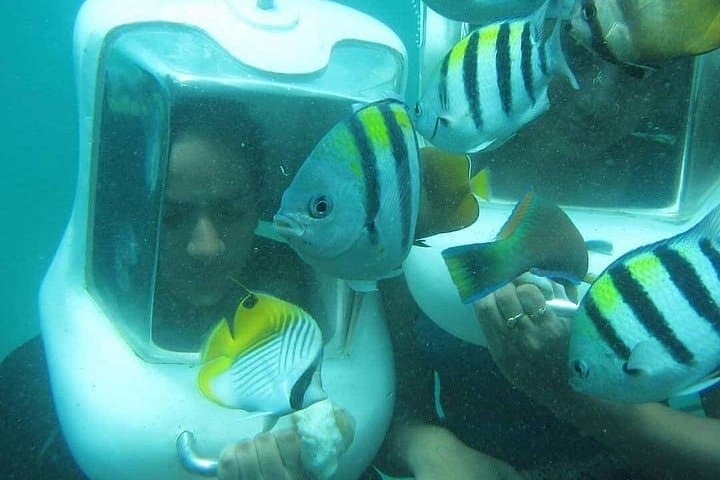
You step off a low skiff and into warm, clear water; the surface glints like a restless mirror while a guide straps a heavy, clear helmet onto your shoulders. The helmet seals around your neck and a gentle flow of air replaces the sky—suddenly fish circle your ankles and the reef floor is an alien meadow. The walk is shallow, deliberate, and oddly intimate: currents nudge, small schools dart like punctuation, and the guide points out clams and coral formations.
You step off a low skiff and into warm, clear water; the surface glints like a restless mirror while a guide straps a heavy, clear helmet onto your shoulders. The helmet seals around your neck and a gentle flow of air replaces the sky—suddenly fish circle your ankles and the reef floor is an alien meadow. The walk is shallow, deliberate, and oddly intimate: currents nudge, small schools dart like punctuation, and the guide points out clams and coral formations.
Tanjung Benoa and nearby Nusa Dua have become Bali’s playground for marine sports over the past few decades, sitting on a sandbar of young limestone and reef built on volcanic foundations. Historically a fishing and boat-building community, the area now balances culture and tourism—local boat crews still maintain traditional skills even as they run modern watersport fleets.
Expect white sand beaches, a seabed that alternates between sand and patchy coral, and plentiful tropical fish rather than deep-wall diving drama. The experience is low-impact on the body but high on sensory detail: salt on your lips, the helmet’s steady hum, sunlight striping the sea floor.
Practical guidance: arrive with swimwear under quick-dry clothing, listen to the safety briefing on equalizing and helmet entry, and avoid touching coral. Operators provide helmets with surface-supplied air; medical restrictions (pregnancy, serious heart or spinal conditions) are enforced. Morning slots offer glassier water and better visibility; late afternoon can produce chop from passing boats. This is an approachable marine introduction—safe, supervised, and memorable for first-time underwater explorers.