THE ADVENTURE COLLECTIVE® · Independent discovery and booking for outdoor travel

Walk river trails and meet farmers in Bongkasa on an eight‑hour private trek that ends with a home‑cooked Balinese lunch and a stroll through Ubud. Discover village crafts, temple life, and small‑scale agriculture on a route built for curious travelers.
Walk river trails and meet farmers in Bongkasa on an eight‑hour private trek that ends with a home‑cooked Balinese lunch and a stroll through Ubud. Discover village crafts, temple life, and small‑scale agriculture on a route built for curious travelers.
You step off the cooled minivan and into a lane of palms; the air smells faintly of wet earth and coconut smoke. Small rivers thread the valley, daring you to follow the narrow trail as farmers bend over bright-green rice and banana stands rustle in the breeze. This is Bongkasa: a working village where the rhythm of daily life sets the pace for an eight‑hour exploration.
Verified experiences and guided adventures in the surrounding area.
Operated by Master Bali Tour · Ubud, Bali
You step off the cooled minivan and into a lane of palms; the air smells faintly of wet earth and coconut smoke. Small rivers thread the valley, daring you to follow the narrow trail as farmers bend over bright-green rice and banana stands rustle in the breeze. This is Bongkasa: a working village where the rhythm of daily life sets the pace for an eight‑hour exploration.
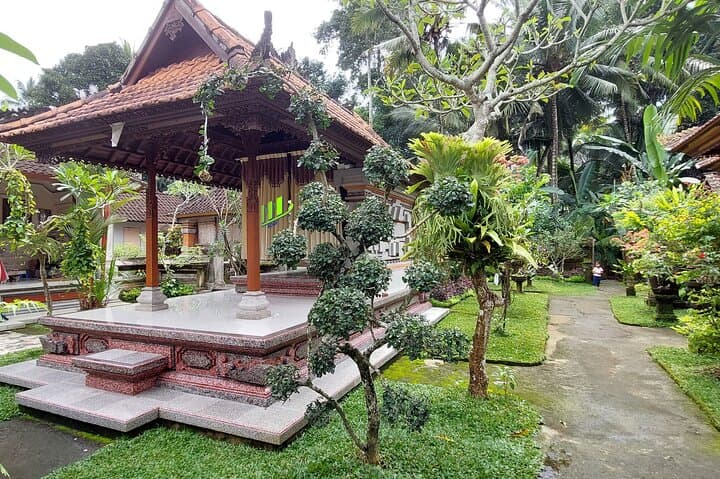
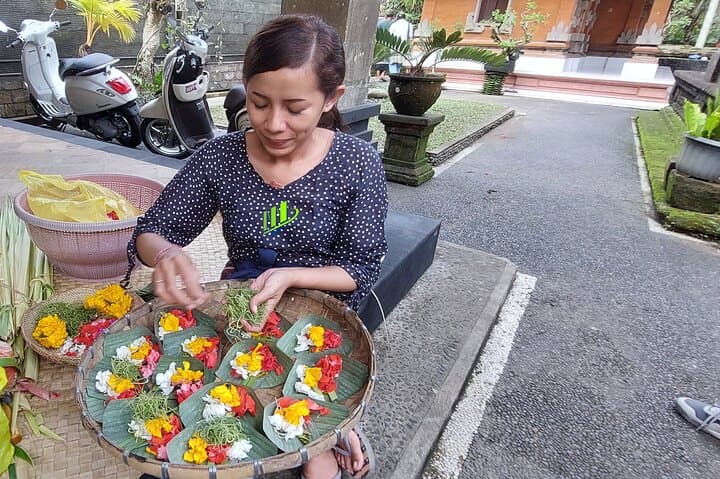
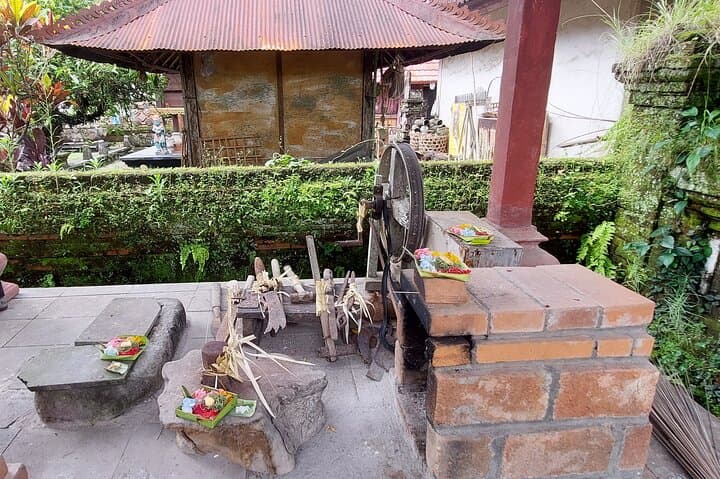
The landscape here is young volcanic soil shaped by centuries of Balinese irrigation (subak) and smallholder agriculture. Temples are not relics but active places—family shrines mark plots and days of ceremony—so visitors see both spiritual life and craft: villagers pressing coconut oil, a blacksmith hammering by hand, and simple homes organized around compounds.
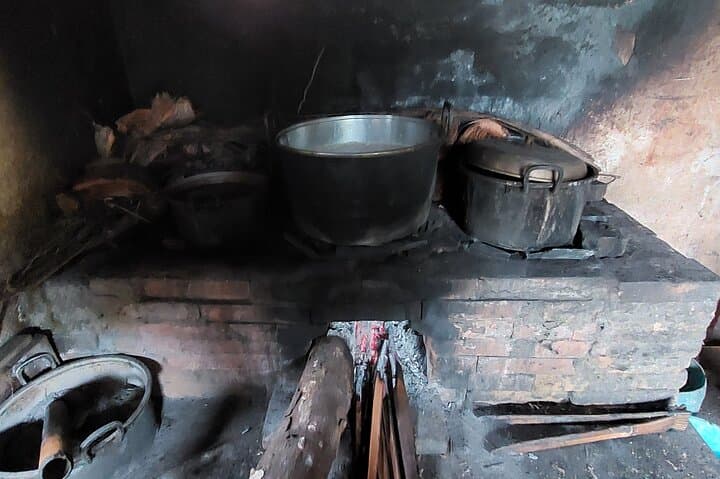
After trekking gentle paths and riverbanks past palm and bamboo, the tour brings you into private homes for a traditional lunch and conversation, then a short drive to Ubud for market browsing and a two‑hour stroll through town.
Practical guidance: wear sturdy walking shoes for uneven, sometimes muddy trails; cover shoulders and knees when entering temples and bring a sarong if you have one. Carry 1–2 liters of water, reef‑safe sunscreen, insect repellent, and small change—some local vendors accept only cash. The route is suitable for most fitness levels but expect several unpaved sections and short climbs. If traveling during Bali’s wet season, a lightweight rain jacket helps; mornings are coolest and clearest for photography. Above all, move quietly through village life—ask before photographing people and accept invitations into homes with respectful curiosity.
easy.
7–8 hours.
Suitable for travelers in general good health who can handle several hours of walking on uneven terrain and short, gentle climbs.
Yes—this tour is rated easy and suitable for a wide range of ages, but families with very young children or guests with mobility issues should check trail conditions and inform the operator ahead of time.
Yes—bring small denomination Indonesian rupiah for market purchases, temple donations, and optional tips; cards are not commonly accepted in the village.
Local lunch and mineral water are included, but bring extra snacks if you have dietary preferences and inform the operator in advance of allergies or restrictions.
You should cover shoulders and knees; many operators provide sarongs if you don’t have one, but bringing your own is convenient and more hygienic.
Village layout and subak irrigation reflect centuries of Balinese agricultural tradition; family temples and communal ponds remain central to local life.
Support low‑impact tourism by staying on trails, avoiding single‑use plastics, and buying food or crafts directly from village producers to keep revenue local.
Master Bali Tour operates guided outdoor trips and adventures with an emphasis on safety, stewardship, and memorable experiences.
You step off the cooled minivan and into a lane of palms; the air smells faintly of wet earth and coconut smoke. Small rivers thread the valley, daring you to follow the narrow trail as farmers bend over bright-green rice and banana stands rustle in the breeze. This is Bongkasa: a working village where the rhythm of daily life sets the pace for an eight‑hour exploration.
You step off the cooled minivan and into a lane of palms; the air smells faintly of wet earth and coconut smoke. Small rivers thread the valley, daring you to follow the narrow trail as farmers bend over bright-green rice and banana stands rustle in the breeze. This is Bongkasa: a working village where the rhythm of daily life sets the pace for an eight‑hour exploration.
The landscape here is young volcanic soil shaped by centuries of Balinese irrigation (subak) and smallholder agriculture. Temples are not relics but active places—family shrines mark plots and days of ceremony—so visitors see both spiritual life and craft: villagers pressing coconut oil, a blacksmith hammering by hand, and simple homes organized around compounds.
After trekking gentle paths and riverbanks past palm and bamboo, the tour brings you into private homes for a traditional lunch and conversation, then a short drive to Ubud for market browsing and a two‑hour stroll through town.
Practical guidance: wear sturdy walking shoes for uneven, sometimes muddy trails; cover shoulders and knees when entering temples and bring a sarong if you have one. Carry 1–2 liters of water, reef‑safe sunscreen, insect repellent, and small change—some local vendors accept only cash. The route is suitable for most fitness levels but expect several unpaved sections and short climbs. If traveling during Bali’s wet season, a lightweight rain jacket helps; mornings are coolest and clearest for photography. Above all, move quietly through village life—ask before photographing people and accept invitations into homes with respectful curiosity.