THE ADVENTURE COLLECTIVE® · Independent discovery and booking for outdoor travel

Throttle through rice fields and bamboo lanes, then trade the quad for a walk among macaques and a plunge beneath Tegenungan Falls. This full-day Ubud loop pairs adrenaline with cultural sites like Goa Gajah for a compact introduction to Bali’s landscape and village life.
Throttle through rice fields and bamboo lanes, then trade the quad for a walk among macaques and a plunge beneath Tegenungan Falls. This full-day Ubud loop pairs adrenaline with cultural sites like Goa Gajah for a compact introduction to Bali’s landscape and village life.
The engine growls and a narrow dirt track opens into a patchwork of rice paddies — humidity pushes at your face as the quad negotiates rutted trails. Ride past low stone shrines and thatched houses, then thread into a cooler ribbon of bamboo and limestone where Goa Gajah’s carved mouth glares from the hillside. The day moves from throttle to hush: macaques on temple steps, spray from Tegenungan falling into a pool below, and the casual bustle of Ubud village life.
Verified experiences and guided adventures in the surrounding area.
Operated by Bali Natural Tours · Ubud, Bali
The engine growls and a narrow dirt track opens into a patchwork of rice paddies — humidity pushes at your face as the quad negotiates rutted trails. Ride past low stone shrines and thatched houses, then thread into a cooler ribbon of bamboo and limestone where Goa Gajah’s carved mouth glares from the hillside. The day moves from throttle to hush: macaques on temple steps, spray from Tegenungan falling into a pool below, and the casual bustle of Ubud village life.
This route stitches together Bali’s living history — Hindu temples and rice terraces shaped by the subak irrigation system — and volcanic geology that feeds waterfalls and caves. The so-called “gorilla cave” in popular listings refers to Goa Gajah (Elephant Cave), carved in the 11th century and set beside rice plots that have fed communities for generations. Local guides and village owners rely on these visitor routes; riding responsibly directly supports small businesses and conservation efforts.
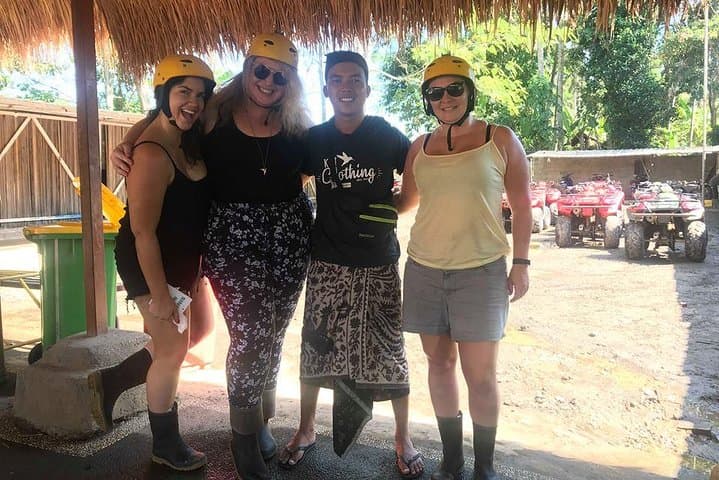
Practical guidance: the program runs about eight hours with roughly two hours on the quad. Helmets and safety gear are provided, but bring closed-toe shoes and a change of clothes for the pool and waterfall. Expect short sets of stairs at Tegenungan and lively macaques at the Monkey Forest — keep valuables secured and follow guide directions.
Plan for tropical weather: mornings are cooler and drier; afternoon showers are common during the wet season. Hydrate, use reef-friendly sunscreen, and carry a small dry bag for phones or cameras. This is an approachable, motorized outdoor day that pairs adrenaline with cultural and natural highlights around Ubud.
moderate.
8 hours.
Light to moderate fitness; able to handle two hours riding, short walks, and stairs at the waterfall and temple sites.
No — vehicles and routes are chosen for accessibility; guides provide a safety briefing and options for automatic or manual transmissions.
Minimum age is 12 for a solo ride; younger participants may ride tandem with an adult. Bookings require an even number for tandem setup.
Yes — round-trip transfers from most Bali areas (Ubud, Seminyak, Kuta, Canggu, Nusa Dua etc.) are included in the tour price.
Tours run in most conditions; heavy rains can make trails slippery — cancelation/refund rules typically apply if you cancel at least 24 hours in advance.
The route links elements of Bali’s Hindu past — small temples and carved caves — and rice terraces managed by community subak systems dating back centuries.
Respect the Monkey Forest rules (no feeding, no sudden movements) and follow guides to minimize erosion on trails; avoid single-use plastics and use provided rubbish points.
Bali Natural Tours operates guided outdoor trips and adventures with an emphasis on safety, stewardship, and memorable experiences.
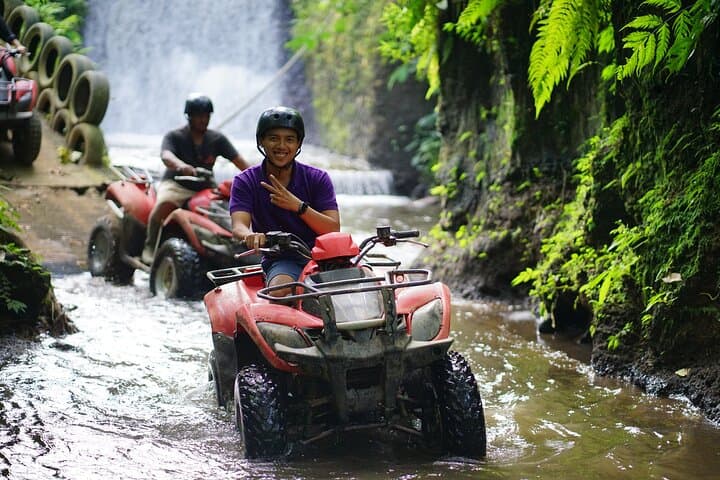
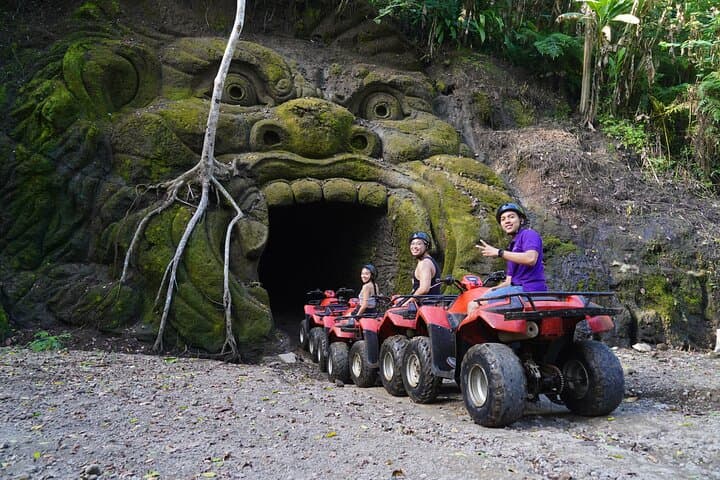
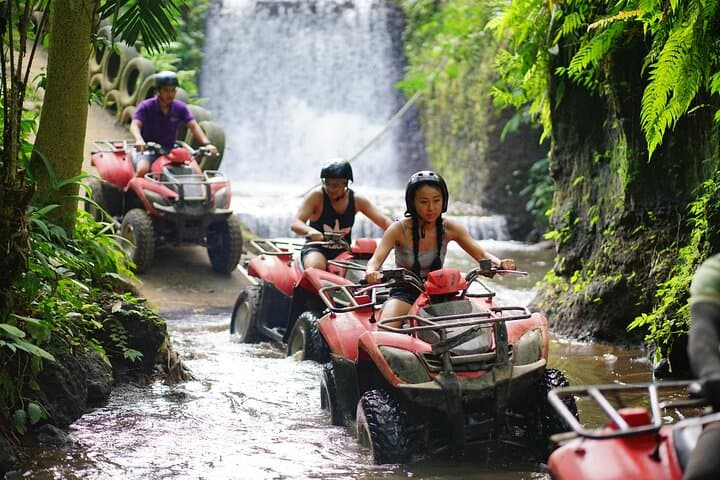
The engine growls and a narrow dirt track opens into a patchwork of rice paddies — humidity pushes at your face as the quad negotiates rutted trails. Ride past low stone shrines and thatched houses, then thread into a cooler ribbon of bamboo and limestone where Goa Gajah’s carved mouth glares from the hillside. The day moves from throttle to hush: macaques on temple steps, spray from Tegenungan falling into a pool below, and the casual bustle of Ubud village life.
The engine growls and a narrow dirt track opens into a patchwork of rice paddies — humidity pushes at your face as the quad negotiates rutted trails. Ride past low stone shrines and thatched houses, then thread into a cooler ribbon of bamboo and limestone where Goa Gajah’s carved mouth glares from the hillside. The day moves from throttle to hush: macaques on temple steps, spray from Tegenungan falling into a pool below, and the casual bustle of Ubud village life.
This route stitches together Bali’s living history — Hindu temples and rice terraces shaped by the subak irrigation system — and volcanic geology that feeds waterfalls and caves. The so-called “gorilla cave” in popular listings refers to Goa Gajah (Elephant Cave), carved in the 11th century and set beside rice plots that have fed communities for generations. Local guides and village owners rely on these visitor routes; riding responsibly directly supports small businesses and conservation efforts.
Practical guidance: the program runs about eight hours with roughly two hours on the quad. Helmets and safety gear are provided, but bring closed-toe shoes and a change of clothes for the pool and waterfall. Expect short sets of stairs at Tegenungan and lively macaques at the Monkey Forest — keep valuables secured and follow guide directions.
Plan for tropical weather: mornings are cooler and drier; afternoon showers are common during the wet season. Hydrate, use reef-friendly sunscreen, and carry a small dry bag for phones or cameras. This is an approachable, motorized outdoor day that pairs adrenaline with cultural and natural highlights around Ubud.