THE ADVENTURE COLLECTIVE® · Independent discovery and booking for outdoor travel

See Bali’s defining landscapes in one private day: Mount Batur’s caldera views, thermal pools on Lake Batur, the sculpted rice terraces at Tegalalang, playful macaques in Ubud, and a sacred water temple. Practical tips for timing, dress, and what to expect accompany the route.
See Bali’s defining landscapes in one private day: Mount Batur’s caldera views, thermal pools on Lake Batur, the sculpted rice terraces at Tegalalang, playful macaques in Ubud, and a sacred water temple. Practical tips for timing, dress, and what to expect accompany the route.
Morning breaks over Kintamani and the crater breathes steam into a cool sky as you pull up to the viewpoint. Mount Batur looms—an active cone rising to 1,717 m—its silhouette mirrored by Lake Batur below. The day moves from wide volcanic panoramas to the close textures of Tegalalang’s carved rice terraces and the humid, temple-shadowed lanes of the Ubud Monkey Forest.
Verified experiences and guided adventures in the surrounding area.
Operated by Bali Adventours · Ubud, Bali
Morning breaks over Kintamani and the crater breathes steam into a cool sky as you pull up to the viewpoint. Mount Batur looms—an active cone rising to 1,717 m—its silhouette mirrored by Lake Batur below. The day moves from wide volcanic panoramas to the close textures of Tegalalang’s carved rice terraces and the humid, temple-shadowed lanes of the Ubud Monkey Forest.
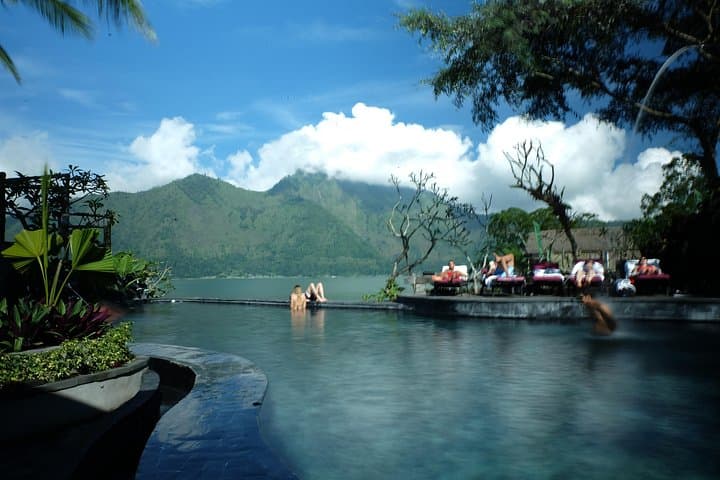
Geology here is obvious: volcanic ash built the caldera rim and feeds the hot springs that steam at Toya Devasya. Rice terraces follow ancient subak irrigation channels—community-managed water systems unchanged for centuries. Culture threads through every stop: 11th–14th century temple ruins in the Monkey Forest, Balinese purification rites at Tirta Empul, and roadside warungs serving kopi and banana fritters.
Expect light walking—short trails and steps at Tegalalang, paved paths in the Monkey Forest, and stairs around temple pools. Elevation varies from roughly 500 m in Ubud to over 1,500 m at Kintamani viewpoints; bring layers for the chill at higher vantage points.
Practical guide: plan a 9–12 hour private day, arrive early for the volcano light, and time the hot springs in the late afternoon to avoid crowds. Dress modestly at Tirta Empul (sarongs often provided), secure belongings around monkeys, and carry local currency for small entrance fees and tips. Hydrate between stops—tropical sun can be intense—and keep footwear with good traction for slippery terrace paths. This one-day loop is efficient: culture, geology, and relaxation in a single itinerary that gives a clear sense of central Bali’s landscape and living traditions.
easy.
9–12 hours.
Suitable for most fitness levels; requires standing, short walks, and handling steps; not strenuous.
Private tours run about 9–12 hours with short guided walks at each stop and time for meals and photos.
Some options include entrance fees—confirm at booking; it’s common to pay small local admissions on site if not covered.
Yes—tourists may enter and observe or participate in purification rituals if comfortable; modest dress and respectful behavior are required.
You can watch and photograph macaques, but avoid feeding them and keep belongings secure; follow guide instructions for safe viewing.
The Ubud area developed around water temples and rice agriculture; the subak system, a cooperative irrigation method, has governed fields for centuries.
Respect designated paths, avoid feeding wildlife, and support local guides and community-run cafés—these practices help sustain the landscape and cultural sites.
Bali Adventours operates guided outdoor trips and adventures with an emphasis on safety, stewardship, and memorable experiences.
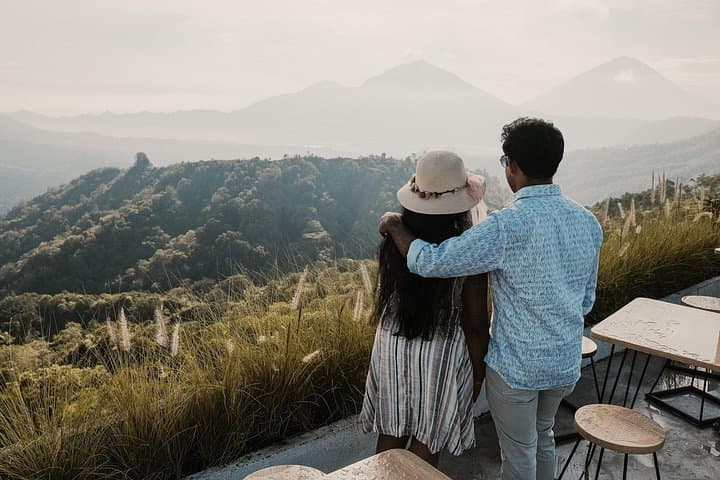
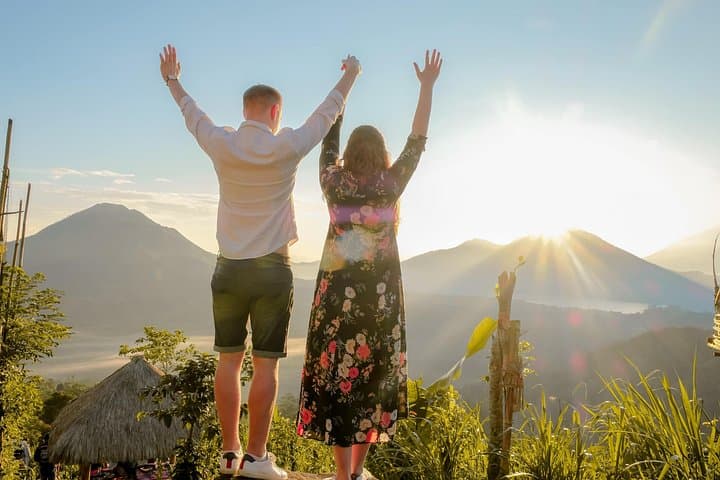
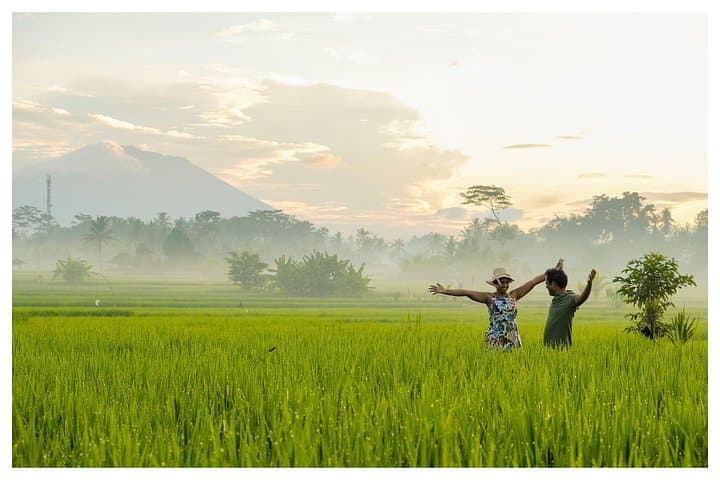
Morning breaks over Kintamani and the crater breathes steam into a cool sky as you pull up to the viewpoint. Mount Batur looms—an active cone rising to 1,717 m—its silhouette mirrored by Lake Batur below. The day moves from wide volcanic panoramas to the close textures of Tegalalang’s carved rice terraces and the humid, temple-shadowed lanes of the Ubud Monkey Forest.
Morning breaks over Kintamani and the crater breathes steam into a cool sky as you pull up to the viewpoint. Mount Batur looms—an active cone rising to 1,717 m—its silhouette mirrored by Lake Batur below. The day moves from wide volcanic panoramas to the close textures of Tegalalang’s carved rice terraces and the humid, temple-shadowed lanes of the Ubud Monkey Forest.
Geology here is obvious: volcanic ash built the caldera rim and feeds the hot springs that steam at Toya Devasya. Rice terraces follow ancient subak irrigation channels—community-managed water systems unchanged for centuries. Culture threads through every stop: 11th–14th century temple ruins in the Monkey Forest, Balinese purification rites at Tirta Empul, and roadside warungs serving kopi and banana fritters.
Expect light walking—short trails and steps at Tegalalang, paved paths in the Monkey Forest, and stairs around temple pools. Elevation varies from roughly 500 m in Ubud to over 1,500 m at Kintamani viewpoints; bring layers for the chill at higher vantage points.
Practical guide: plan a 9–12 hour private day, arrive early for the volcano light, and time the hot springs in the late afternoon to avoid crowds. Dress modestly at Tirta Empul (sarongs often provided), secure belongings around monkeys, and carry local currency for small entrance fees and tips. Hydrate between stops—tropical sun can be intense—and keep footwear with good traction for slippery terrace paths. This one-day loop is efficient: culture, geology, and relaxation in a single itinerary that gives a clear sense of central Bali’s landscape and living traditions.