THE ADVENTURE COLLECTIVE® · Independent discovery and booking for outdoor travel

Lift off from Kuta and float above Bali's turquoise fringe: a short, scenic parasailing flight that delivers expansive ocean views and reef patterns beneath. This practical guide explains what to expect, when to go, and how to prepare for a safe, photo-ready experience.
Lift off from Kuta and float above Bali's turquoise fringe: a short, scenic parasailing flight that delivers expansive ocean views and reef patterns beneath. This practical guide explains what to expect, when to go, and how to prepare for a safe, photo-ready experience.
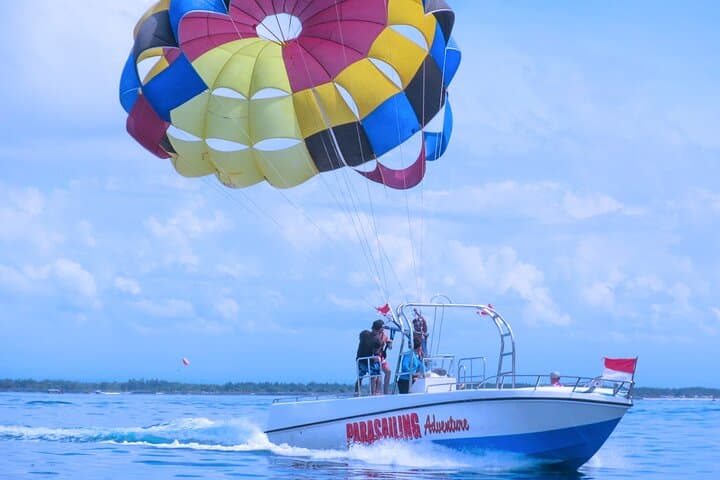
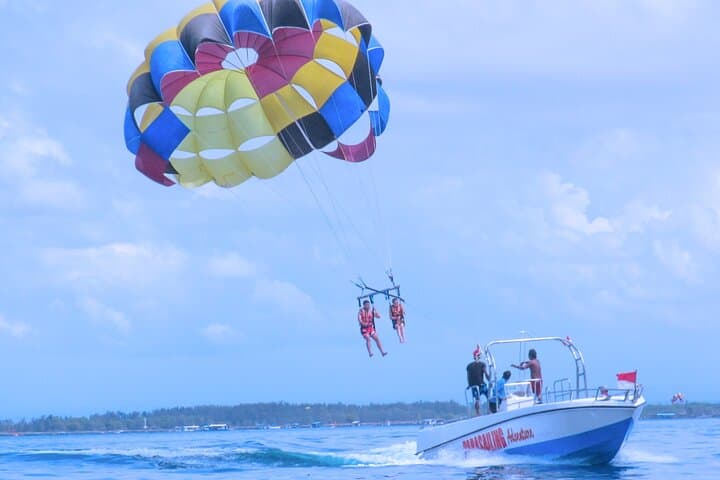
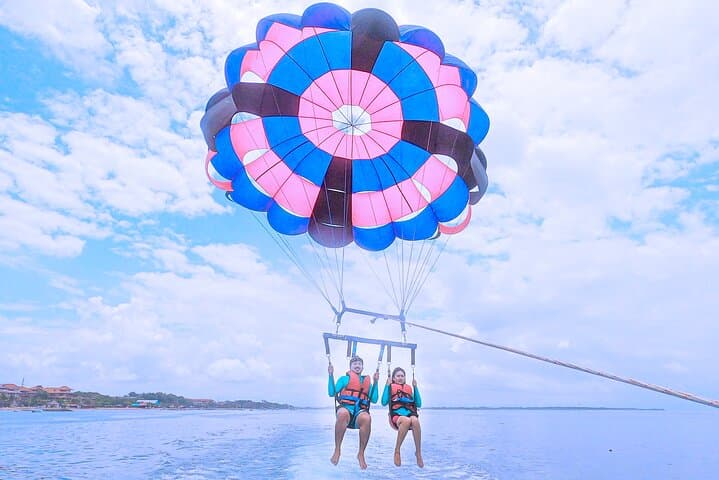
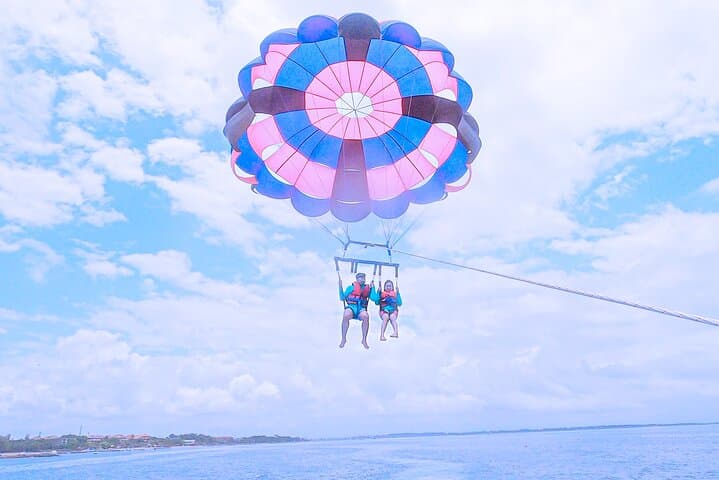
A quick wind tug, the boat's wake widening into white teeth, and you lift—suspended above a strip of turquoise that seems to push back at the horizon. From the harness the island shrinks into neat strokes: dark reef, pale sand, clusters of umbrellas and scooters threading Kuta's shoreline. The flight itself is brief—about five minutes—but the panorama feels larger than the moment.
Verified experiences and guided adventures in the surrounding area.
Operated by Serangan Activity · Kuta, Bali
A quick wind tug, the boat's wake widening into white teeth, and you lift—suspended above a strip of turquoise that seems to push back at the horizon. From the harness the island shrinks into neat strokes: dark reef, pale sand, clusters of umbrellas and scooters threading Kuta's shoreline. The flight itself is brief—about five minutes—but the panorama feels larger than the moment.
Parasailing off Kuta sits at the intersection of Bali's coastal recreation and its seafaring history. The volcanic arc that formed Bali means reefs and sandbars shape wave patterns close to shore; those same conditions create the predictable wind and clear-water windows operators use. Culturally, Bali's beaches are social spaces—early-morning fishers, daytime sunbathers, and evening food stalls—and operators typically run from dedicated water-sports strips to keep launches organized.
Expect a straightforward procedure: safety briefing, life jacket and harness, a short tow behind a motorboat, and a gentle ascent. Operators provide bottled water, towels, and safety gear; private pickup is commonly included. Best conditions are during Bali's dry season (April–October) when winds are steadier and visibility peaks; the monsoon months can bring cancellations.
Practical guidance: arrive with non-slip shoes or barefoot, secure valuables in a waterproof case, and listen closely to briefings—exact weight limits and medical restrictions apply. Cameras are fine if tethered; phone shots from height capture reef patterns and coastline scale. For a compact adrenaline hit with minimal exertion, parasailing in Kuta delivers an uncluttered aerial view of Bali's shoreline and a reliable, photographic memory of the Indian Ocean at your feet.
moderate.
1–2 hours (including pickup and briefing; 5-minute flight).
Minimal aerobic fitness required but must be able to step on/off a small boat and follow safety instructions
The airborne portion is typically around 5 minutes; the full experience including pickup, briefing and boat transfer usually lasts 1–2 hours.
Yes—pregnant travelers and those with spinal or serious heart conditions are not recommended to participate; operators also enforce weight and age limits so confirm before booking.
Yes—many operators allow cameras and phones if they are secured with a tether or in a waterproof case; check specific operator rules on loose items.
Operators commonly cancel in high winds or heavy rain for safety and offer a full refund or rescheduling; dry season months have the most reliable conditions.
Bali's coastal economy has long blended traditional fishing with tourism; modern water-sports grew around established beach villages and reef-protected coves.
Stick to operators that brief on wildlife and avoid low flights over nesting areas; use reef-safe sunscreen to minimize chemical impact on coral.
Serangan Activity operates guided outdoor trips and adventures with an emphasis on safety, stewardship, and memorable experiences.
A quick wind tug, the boat's wake widening into white teeth, and you lift—suspended above a strip of turquoise that seems to push back at the horizon. From the harness the island shrinks into neat strokes: dark reef, pale sand, clusters of umbrellas and scooters threading Kuta's shoreline. The flight itself is brief—about five minutes—but the panorama feels larger than the moment.
A quick wind tug, the boat's wake widening into white teeth, and you lift—suspended above a strip of turquoise that seems to push back at the horizon. From the harness the island shrinks into neat strokes: dark reef, pale sand, clusters of umbrellas and scooters threading Kuta's shoreline. The flight itself is brief—about five minutes—but the panorama feels larger than the moment.
Parasailing off Kuta sits at the intersection of Bali's coastal recreation and its seafaring history. The volcanic arc that formed Bali means reefs and sandbars shape wave patterns close to shore; those same conditions create the predictable wind and clear-water windows operators use. Culturally, Bali's beaches are social spaces—early-morning fishers, daytime sunbathers, and evening food stalls—and operators typically run from dedicated water-sports strips to keep launches organized.
Expect a straightforward procedure: safety briefing, life jacket and harness, a short tow behind a motorboat, and a gentle ascent. Operators provide bottled water, towels, and safety gear; private pickup is commonly included. Best conditions are during Bali's dry season (April–October) when winds are steadier and visibility peaks; the monsoon months can bring cancellations.
Practical guidance: arrive with non-slip shoes or barefoot, secure valuables in a waterproof case, and listen closely to briefings—exact weight limits and medical restrictions apply. Cameras are fine if tethered; phone shots from height capture reef patterns and coastline scale. For a compact adrenaline hit with minimal exertion, parasailing in Kuta delivers an uncluttered aerial view of Bali's shoreline and a reliable, photographic memory of the Indian Ocean at your feet.