THE ADVENTURE COLLECTIVE® · Independent discovery and booking for outdoor travel

Spend a full day in Bali’s cooler highlands—swim beneath Banyumala and Gitgit waterfalls, visit the floating Ulun Danu Beratan Temple, and walk the vast Jatiluwih rice terraces. Practical route details and what to expect on trail and road.
Spend a full day in Bali’s cooler highlands—swim beneath Banyumala and Gitgit waterfalls, visit the floating Ulun Danu Beratan Temple, and walk the vast Jatiluwih rice terraces. Practical route details and what to expect on trail and road.
A damp breeze off Lake Bratan cools your neck as the minivan climbs toward the highlands; mist threads through clove and coffee trees and the road opens onto a temple that seems to float on glassy water. The day moves from mountain lakes to cliff-side cascades, each stop a different pulse of northern Bali—water daring you to wade, terraces holding generations of work, and a gate framing the sky like a photograph.
Verified experiences and guided adventures in the surrounding area.
Operated by Bali Bliss Tours · Bedugul, Bali
A damp breeze off Lake Bratan cools your neck as the minivan climbs toward the highlands; mist threads through clove and coffee trees and the road opens onto a temple that seems to float on glassy water. The day moves from mountain lakes to cliff-side cascades, each stop a different pulse of northern Bali—water daring you to wade, terraces holding generations of work, and a gate framing the sky like a photograph.
Ulun Danu Beratan dates to the 17th century and honors Danu, the water goddess who sustains local rice irrigation; you’ll see traditional meru shrines and a banyan that marks ritual space. Geologically this part of Bali rides an old volcanic rim—crater lakes, steep ravines, and waterfalls formed where hard basalt caps softer layers, directing streams over vertical faces. Culture lives in the landscape: small villages grow coffee, cacao, and clove along the road, and farmers still plow terraces with buffalo at Jatiluwih, a UNESCO cultural landscape.
Expect short but sometimes steep trails: Banyumala’s access is a 400–600 m descent with ~80–120 m elevation change on uneven stone and roots; Gitgit is a shorter 250–400 m walk with moist steps and viewing platforms. Jatiluwih offers gentle 1–4 km loops across graded terraces. Wear grippy footwear, bring water, and time visits early to avoid crowds and mid-day rain. Respect temple dress codes, pack out trash, and give macaques space—their confidence is part of the terrain. This route is a full, active day (about 9–10 hours) of swims, short hikes and cultural stops—practical, sensory, and distinctly Balinese.
moderate.
9–10 hours.
Moderate fitness; you should be comfortable with short steep descents and multiple stops over a long day.
Yes, both waterfalls have plunge pools suitable for swimming, but the water is cold and currents can be strong—enter with caution and avoid swimming after heavy rain.
Expect short hikes: Banyumala ~400–600 m steep descent, Gitgit ~250–400 m on steps, and optional 1–4 km walks at Jatiluwih across terraces.
Yes, small local entrance fees apply at Ulun Danu Beratan, Gitgit and Banyumala—these are paid on site and go toward maintenance.
Macaques are common near waterfalls and temple areas; do not feed them, secure loose items, and avoid direct eye contact if they approach.
Ulun Danu Beratan was established in the 17th century by the Mengwi dynasty and functions as a ritual center for rice and water ceremonies.
Foot traffic and litter impact fragile trails and terraces—stick to paths, avoid single-use plastics, and support local entrance fees that fund upkeep.
Bali Bliss Tours operates guided outdoor trips and adventures with an emphasis on safety, stewardship, and memorable experiences.
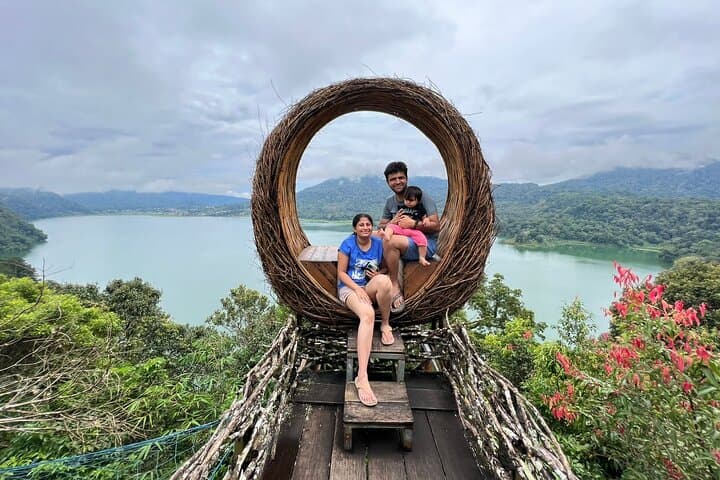
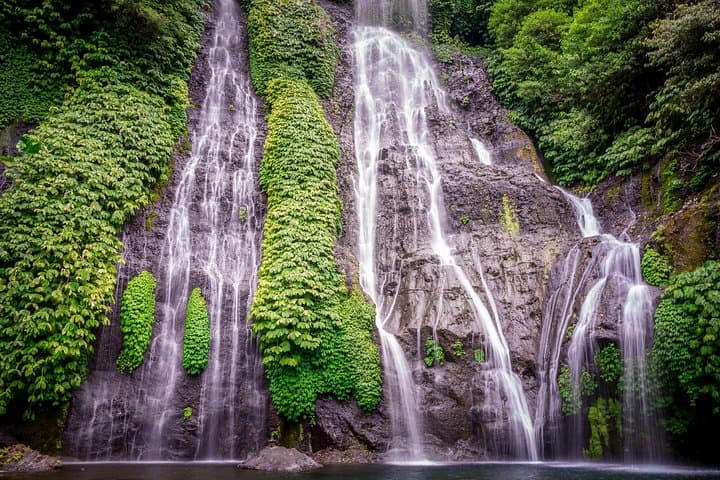
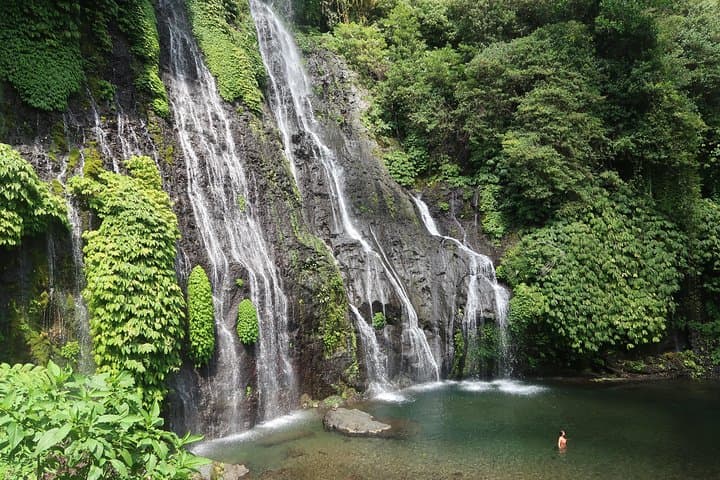
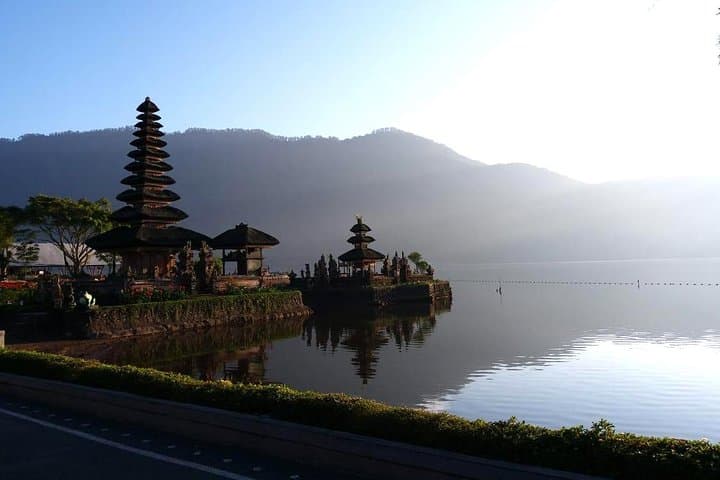
A damp breeze off Lake Bratan cools your neck as the minivan climbs toward the highlands; mist threads through clove and coffee trees and the road opens onto a temple that seems to float on glassy water. The day moves from mountain lakes to cliff-side cascades, each stop a different pulse of northern Bali—water daring you to wade, terraces holding generations of work, and a gate framing the sky like a photograph.
A damp breeze off Lake Bratan cools your neck as the minivan climbs toward the highlands; mist threads through clove and coffee trees and the road opens onto a temple that seems to float on glassy water. The day moves from mountain lakes to cliff-side cascades, each stop a different pulse of northern Bali—water daring you to wade, terraces holding generations of work, and a gate framing the sky like a photograph.
Ulun Danu Beratan dates to the 17th century and honors Danu, the water goddess who sustains local rice irrigation; you’ll see traditional meru shrines and a banyan that marks ritual space. Geologically this part of Bali rides an old volcanic rim—crater lakes, steep ravines, and waterfalls formed where hard basalt caps softer layers, directing streams over vertical faces. Culture lives in the landscape: small villages grow coffee, cacao, and clove along the road, and farmers still plow terraces with buffalo at Jatiluwih, a UNESCO cultural landscape.
Expect short but sometimes steep trails: Banyumala’s access is a 400–600 m descent with ~80–120 m elevation change on uneven stone and roots; Gitgit is a shorter 250–400 m walk with moist steps and viewing platforms. Jatiluwih offers gentle 1–4 km loops across graded terraces. Wear grippy footwear, bring water, and time visits early to avoid crowds and mid-day rain. Respect temple dress codes, pack out trash, and give macaques space—their confidence is part of the terrain. This route is a full, active day (about 9–10 hours) of swims, short hikes and cultural stops—practical, sensory, and distinctly Balinese.