THE ADVENTURE COLLECTIVE® · Independent discovery and booking for outdoor travel

Spend a day chasing mist and rice-field light on this private Bali tour. From the thunder of Tegenungan to the hush of Tibumana and the layered green of Tegalalang, this full-day itinerary pairs easy walks with practical local insight.
Spend a day chasing mist and rice-field light on this private Bali tour. From the thunder of Tegenungan to the hush of Tibumana and the layered green of Tegalalang, this full-day itinerary pairs easy walks with practical local insight.
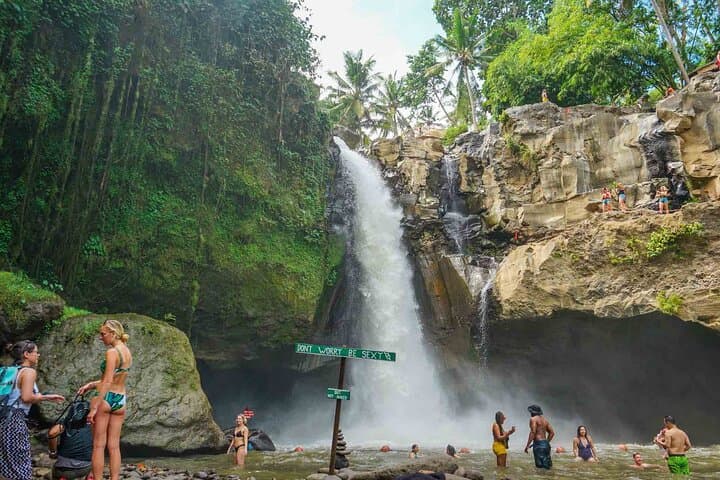
The minivan eases out of the coastal traffic and the air changes—cooler, heavier, scented with wet earth. By mid-morning you’re standing above Tegenungan, where a single sheet of water drops into a fan of white spray and the jungle seems to breathe around you. The falls demand attention: mist on your face, the river’s voice filling the canyon, photographers crouched on slippery rocks. It’s the first of four distinct landscapes you’ll meet on a long, deliberate day across central Bali.
Verified experiences and guided adventures in the surrounding area.
Operated by Bali Jhon Tour · Ubud, Bali
The minivan eases out of the coastal traffic and the air changes—cooler, heavier, scented with wet earth. By mid-morning you’re standing above Tegenungan, where a single sheet of water drops into a fan of white spray and the jungle seems to breathe around you. The falls demand attention: mist on your face, the river’s voice filling the canyon, photographers crouched on slippery rocks. It’s the first of four distinct landscapes you’ll meet on a long, deliberate day across central Bali.
Geology here is theatrical but simple—ancient lava flows and river action have sculpted cliffs and stepped ledges, creating cascades that vary from thin curtains to broad plunges. Tegalalang’s terraces are human geology: staggered rice paddies carved along slopes using the Subak communal irrigation system, a social and agricultural practice recognized by UNESCO. The tour threads nature and culture—each plunge pool, rice step and shady path is steeped in local ritual, rice-field engineering and centuries of small-holder agriculture.
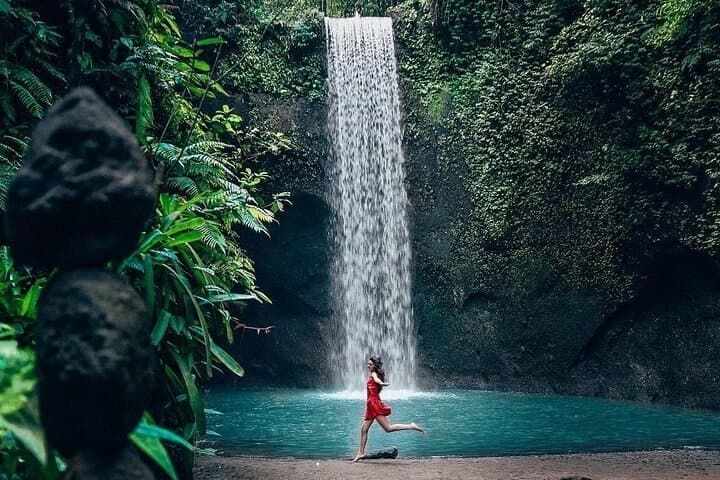
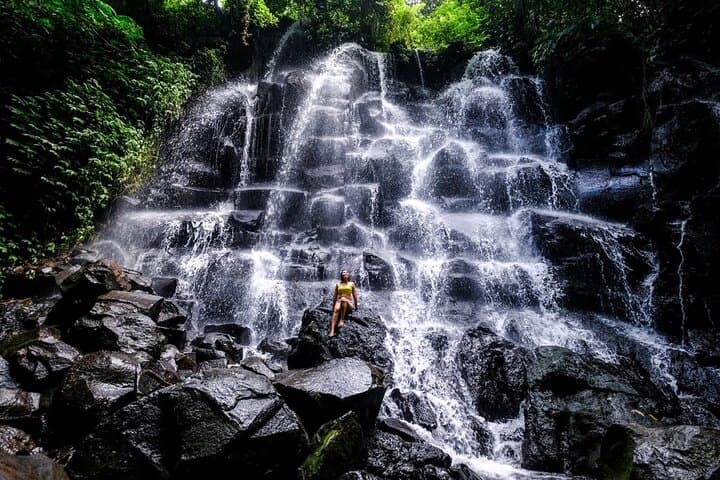
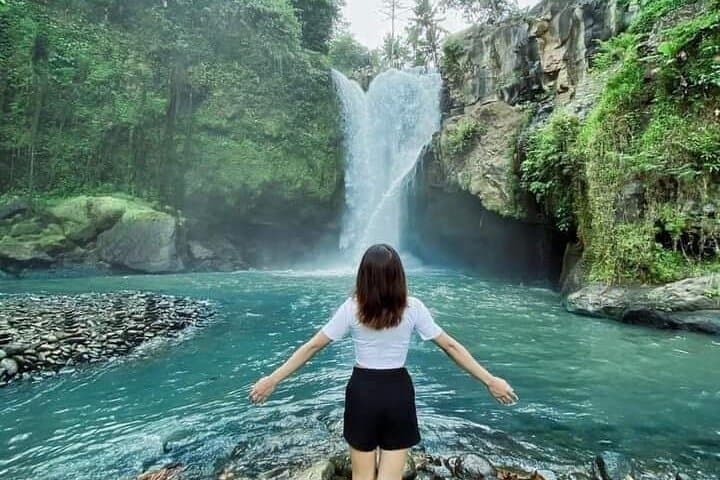
Your private driver-guide handles logistics, but the route is straightforward. The itinerary spends roughly two hours at each stop: Tegenungan’s viewpoint and pool; Kanto Lampo’s tiered, photographic cascades; Tibumana’s quieter, single-drop pool reached via a 10–15 minute jungle walk; and Tegalalang for terrace viewpoints and short walks among the paddies. Walking sections are short—5–20 minutes from parking—often on stone steps or packed earth that become slick near the water. Expect stairs, occasional narrow single-file paths and wet rock where barefoot is common but risky.
Practical edge: bring water shoes or sturdy sandals, a lightweight daypack, quick-dry layers and a waterproof pouch for phones. Have cash for small entrance fees, local snacks or a lunch stop; the tour includes bottled water and an English-speaking driver. Start early—the light is best mid-morning at the falls and late afternoon at the terraces—and plan for a 10–11 hour day including transfers (this is a full-day private tour).
Safety and etiquette matter: the rock is slippery; avoid risky jumps. Respect temple spaces and rice fields—don’t walk through planted paddies without permission and remove footwear at shrines. The tour is family friendly but not recommended for travelers with spinal, cardiovascular or pregnancy restrictions.
By sunset, the terraces soften to a warm green, and the van pulls back toward your hotel. The day leaves more than photos: it maps a relationship between water, stone and people—rivers daring you forward, terraces guiding runoff like careful hands—and gives you the practical know-how to enjoy them without the guessing game.
moderate.
10–11 hours.
Suitable for people who can manage short hikes of 5–20 minutes, stairs and uneven wet surfaces; moderate stamina for a long day.
Yes—the tour is private with a dedicated English-speaking driver-guide and private transportation.
Yes—swimming is allowed at most stops (Tegenungan, Kanto Lampo, Tibumana) but always follow guide instructions and watch for slippery rocks and changing currents.
Entrance is typically not included; the operator lists entrance tickets as optional—bring cash for site fees and photo props at Tegalalang.
Pickup is available from most Seminyak and southern Bali hotels (and can be arranged from Ngurah Rai Airport); confirm your pickup point at booking.
Generally family-friendly, but there are steps and slippery sections; not recommended for those with spinal, heart conditions, or pregnancy per provider notes.
The tour does not automatically cancel for bad weather—operators advise checking conditions; bring a lightweight rain layer during the wet season.
Tegalalang’s rice terraces use the Subak irrigation system—centuries-old cooperative water management led by local communities and tied to Bali’s cultural rituals.
Stick to trails, avoid single-use plastics and pay small entrance fees or local vendors to support village maintenance; water and foot traffic are managed seasonally to reduce erosion.
Bali Jhon Tour operates guided outdoor trips and adventures with an emphasis on safety, stewardship, and memorable experiences.
The minivan eases out of the coastal traffic and the air changes—cooler, heavier, scented with wet earth. By mid-morning you’re standing above Tegenungan, where a single sheet of water drops into a fan of white spray and the jungle seems to breathe around you. The falls demand attention: mist on your face, the river’s voice filling the canyon, photographers crouched on slippery rocks. It’s the first of four distinct landscapes you’ll meet on a long, deliberate day across central Bali.
The minivan eases out of the coastal traffic and the air changes—cooler, heavier, scented with wet earth. By mid-morning you’re standing above Tegenungan, where a single sheet of water drops into a fan of white spray and the jungle seems to breathe around you. The falls demand attention: mist on your face, the river’s voice filling the canyon, photographers crouched on slippery rocks. It’s the first of four distinct landscapes you’ll meet on a long, deliberate day across central Bali.
Geology here is theatrical but simple—ancient lava flows and river action have sculpted cliffs and stepped ledges, creating cascades that vary from thin curtains to broad plunges. Tegalalang’s terraces are human geology: staggered rice paddies carved along slopes using the Subak communal irrigation system, a social and agricultural practice recognized by UNESCO. The tour threads nature and culture—each plunge pool, rice step and shady path is steeped in local ritual, rice-field engineering and centuries of small-holder agriculture.
Your private driver-guide handles logistics, but the route is straightforward. The itinerary spends roughly two hours at each stop: Tegenungan’s viewpoint and pool; Kanto Lampo’s tiered, photographic cascades; Tibumana’s quieter, single-drop pool reached via a 10–15 minute jungle walk; and Tegalalang for terrace viewpoints and short walks among the paddies. Walking sections are short—5–20 minutes from parking—often on stone steps or packed earth that become slick near the water. Expect stairs, occasional narrow single-file paths and wet rock where barefoot is common but risky.
Practical edge: bring water shoes or sturdy sandals, a lightweight daypack, quick-dry layers and a waterproof pouch for phones. Have cash for small entrance fees, local snacks or a lunch stop; the tour includes bottled water and an English-speaking driver. Start early—the light is best mid-morning at the falls and late afternoon at the terraces—and plan for a 10–11 hour day including transfers (this is a full-day private tour).
Safety and etiquette matter: the rock is slippery; avoid risky jumps. Respect temple spaces and rice fields—don’t walk through planted paddies without permission and remove footwear at shrines. The tour is family friendly but not recommended for travelers with spinal, cardiovascular or pregnancy restrictions.
By sunset, the terraces soften to a warm green, and the van pulls back toward your hotel. The day leaves more than photos: it maps a relationship between water, stone and people—rivers daring you forward, terraces guiding runoff like careful hands—and gives you the practical know-how to enjoy them without the guessing game.