THE ADVENTURE COLLECTIVE® · Independent discovery and booking for outdoor travel

In one long day this tour moves from Mount Batur’s volcanic rim to the emerald steps of Tegalalang, through jungle waterfalls and into an 11th-century temple. Expect big panoramas, short walks, and a coffee tasting that explains how local flavors are born.
In one long day this tour moves from Mount Batur’s volcanic rim to the emerald steps of Tegalalang, through jungle waterfalls and into an 11th-century temple. Expect big panoramas, short walks, and a coffee tasting that explains how local flavors are born.
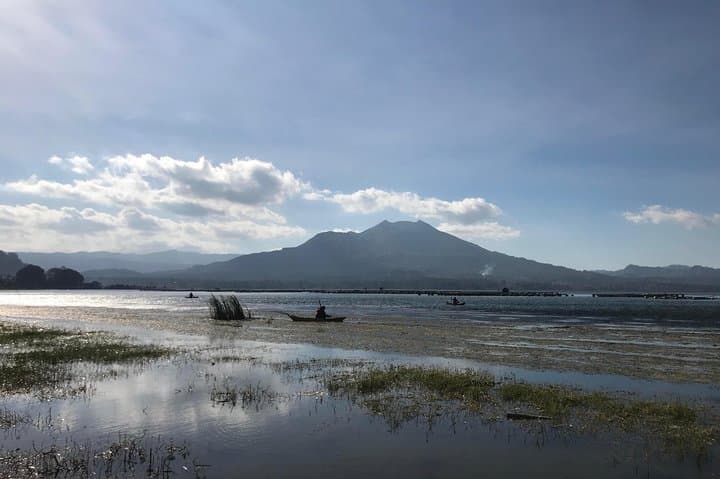
You step out of your air-conditioned van into a thin, highland air that tastes faintly of volcanic ash and coffee. The caldera of Mount Batur crouches ahead, a dark lip around a milky lake that was born in fire; below, terraces peel down the slopes in neat green steps and waterfalls thread the jungle like bright stitches. This is a day designed to move you through Bali’s dramatic geology and the human rhythms that have shaped it: volcano, rice, temple and the slow ritual of coffee tasting.
Verified experiences and guided adventures in the surrounding area.
Operated by Hidden Bali Tours · Kintamani, Bali
You step out of your air-conditioned van into a thin, highland air that tastes faintly of volcanic ash and coffee. The caldera of Mount Batur crouches ahead, a dark lip around a milky lake that was born in fire; below, terraces peel down the slopes in neat green steps and waterfalls thread the jungle like bright stitches. This is a day designed to move you through Bali’s dramatic geology and the human rhythms that have shaped it: volcano, rice, temple and the slow ritual of coffee tasting.
The day usually begins before the heat, with a drive up to the Kintamani region. Mount Batur is a relatively young volcano by geological standards, its last major eruptions forming the caldera you look over today. From the rim the vista is blunt and wide — a lake in the bowl, villages clinging to ridges, and the silhouette of Mount Agung on the horizon when the air is clear. Later, the tour threads into the ricelands at Tegalalang where the Subak irrigation system — a cooperative water-management tradition that dates back centuries and is recognized by UNESCO — orders the hills into terraces.
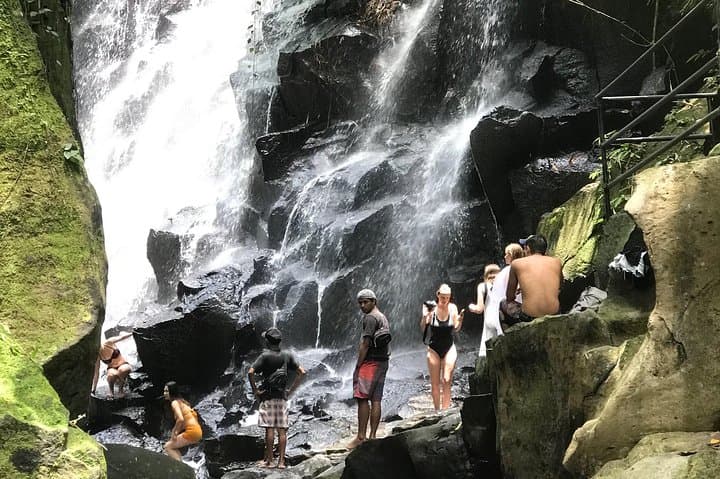
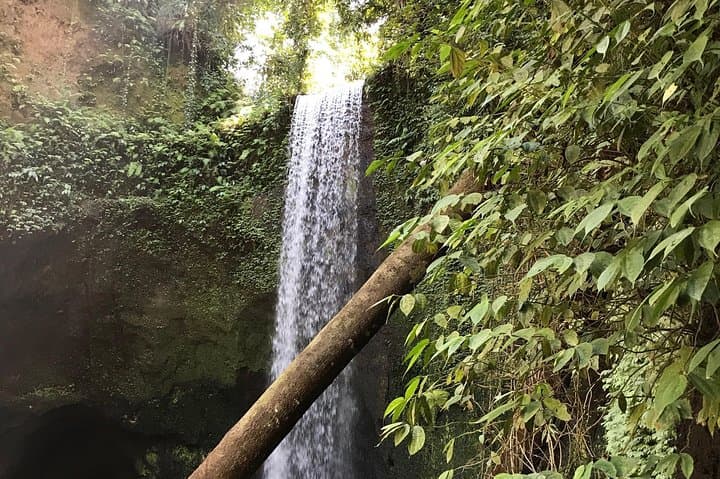
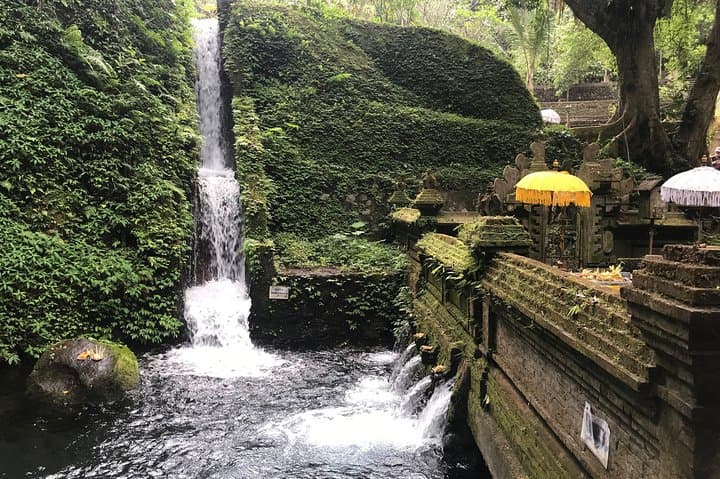
Between these big views the itinerary drops into intimate moments: Tibumana and Kanto Lampo waterfalls, both reachable by short trails and footbridges that put you face to face with the relentless movement of water. Pura Mengening offers a contrast: an 11th-century temple with natural springs and ritual fountains where locals still come to offer and cleanse. Bali Pulina, near the volcanic slopes, is where you learn the slow processing behind kopi luwak and other local brews — not a gimmick here but a chance to taste the spice and smoke of local cultivation.
Practicalities matter on a day like this. Expect an eight-hour tour that includes private, air-conditioned transport and entrance fees; bottled water and light refreshments typically provided. Wear sturdy, grippy shoes for steep, often slick steps at waterfalls and the terraces, and dress modestly for temple visits (a sarong or long shorts and shoulders covered). Bring a lightweight rain jacket in the wet months and a refillable water bottle to cut down on plastic. The itinerary packs several short walks rather than long hikes, so a moderate fitness level is sufficient, though those with back or heart conditions should check the advisories.
Timing is everything: arrive early for the clearest views at Mount Batur and the gentlest light at Tegalalang, and save the waterfalls for mid-morning when the sun warms the pools but crowds thin. Respect temple protocols — no photography during rituals and a quiet, observant presence — and keep to marked paths to protect rice paddies and fragile springs. Do all that and the day resolves into a compact but complete portrait of Bali: volcanic power, engineered landscapes, living temples and the small, lingering pleasure of a perfectly brewed cup of coffee.
moderate.
8 hours.
Moderate fitness; able to manage short uphill and downhill walks, stairs and uneven terrain.
Pickup is typically available from Seminyak, Ubud and the airport depending on your booking; private, air-conditioned transport is included in the tour price.
Expect multiple short walks of 10–30 minutes each over uneven terrain and stairs; there are no long-distance hikes on this itinerary.
No. This tour visits lookout points and the caldera rim for panoramic views rather than an early-morning summit climb.
Dress modestly: cover shoulders and knees. Sarongs may be provided at some temples but bringing a lightweight wrap is recommended.
Entrance fees listed in the itinerary and a simple coffee/tea tasting and bottled water are included; full meals are typically not included unless stated.
Not recommended for pregnant travelers or those with serious back or heart conditions; infants must sit on an adult's lap and the tour requires moderate mobility.
Pura Mengening dates to around the 11th century and sits amid springs used for ritual purification; the Subak irrigation system that shapes Tegalalang reflects centuries-old cooperative water management.
Stick to marked paths, avoid trampling the terraces and springs, and use refillable bottles; local entrance fees support site upkeep and community conservation.
Hidden Bali Tours operates guided outdoor trips and adventures with an emphasis on safety, stewardship, and memorable experiences.
You step out of your air-conditioned van into a thin, highland air that tastes faintly of volcanic ash and coffee. The caldera of Mount Batur crouches ahead, a dark lip around a milky lake that was born in fire; below, terraces peel down the slopes in neat green steps and waterfalls thread the jungle like bright stitches. This is a day designed to move you through Bali’s dramatic geology and the human rhythms that have shaped it: volcano, rice, temple and the slow ritual of coffee tasting.
You step out of your air-conditioned van into a thin, highland air that tastes faintly of volcanic ash and coffee. The caldera of Mount Batur crouches ahead, a dark lip around a milky lake that was born in fire; below, terraces peel down the slopes in neat green steps and waterfalls thread the jungle like bright stitches. This is a day designed to move you through Bali’s dramatic geology and the human rhythms that have shaped it: volcano, rice, temple and the slow ritual of coffee tasting.
The day usually begins before the heat, with a drive up to the Kintamani region. Mount Batur is a relatively young volcano by geological standards, its last major eruptions forming the caldera you look over today. From the rim the vista is blunt and wide — a lake in the bowl, villages clinging to ridges, and the silhouette of Mount Agung on the horizon when the air is clear. Later, the tour threads into the ricelands at Tegalalang where the Subak irrigation system — a cooperative water-management tradition that dates back centuries and is recognized by UNESCO — orders the hills into terraces.
Between these big views the itinerary drops into intimate moments: Tibumana and Kanto Lampo waterfalls, both reachable by short trails and footbridges that put you face to face with the relentless movement of water. Pura Mengening offers a contrast: an 11th-century temple with natural springs and ritual fountains where locals still come to offer and cleanse. Bali Pulina, near the volcanic slopes, is where you learn the slow processing behind kopi luwak and other local brews — not a gimmick here but a chance to taste the spice and smoke of local cultivation.
Practicalities matter on a day like this. Expect an eight-hour tour that includes private, air-conditioned transport and entrance fees; bottled water and light refreshments typically provided. Wear sturdy, grippy shoes for steep, often slick steps at waterfalls and the terraces, and dress modestly for temple visits (a sarong or long shorts and shoulders covered). Bring a lightweight rain jacket in the wet months and a refillable water bottle to cut down on plastic. The itinerary packs several short walks rather than long hikes, so a moderate fitness level is sufficient, though those with back or heart conditions should check the advisories.
Timing is everything: arrive early for the clearest views at Mount Batur and the gentlest light at Tegalalang, and save the waterfalls for mid-morning when the sun warms the pools but crowds thin. Respect temple protocols — no photography during rituals and a quiet, observant presence — and keep to marked paths to protect rice paddies and fragile springs. Do all that and the day resolves into a compact but complete portrait of Bali: volcanic power, engineered landscapes, living temples and the small, lingering pleasure of a perfectly brewed cup of coffee.