THE ADVENTURE COLLECTIVE® · Independent discovery and booking for outdoor travel

A compact, photo-driven full-day tour that pairs Lempuyang’s famous gate with the royal pools of Tirta Gangga and a hidden canyon waterfall. Ideal for photographers and curious travelers, the route blends easy walks, cultural stops and short swims.
A compact, photo-driven full-day tour that pairs Lempuyang’s famous gate with the royal pools of Tirta Gangga and a hidden canyon waterfall. Ideal for photographers and curious travelers, the route blends easy walks, cultural stops and short swims.
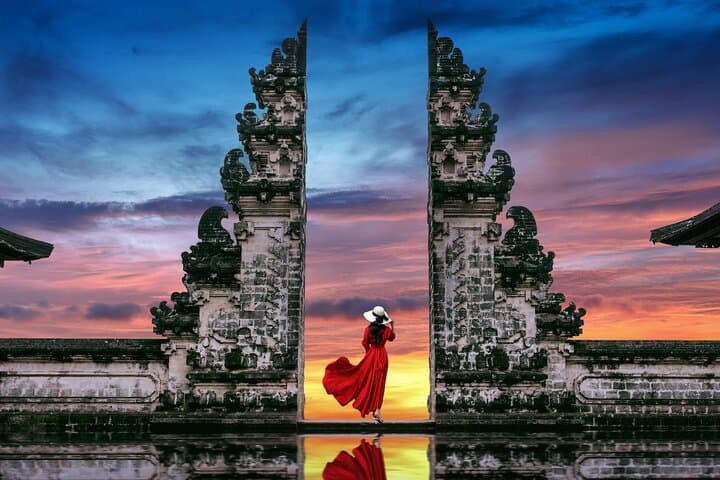
You step out of the minivan into air that tastes faintly of sea salt and incense, Mount Agung watching like an old, slow-breathing giant. The first light slides through the Lempuyang gate and turns the stone outline into a frame for the volcano—an instant that draws a small crowd and a steady click of cameras.
Verified experiences and guided adventures in the surrounding area.
Operated by Krisna Bali Trekking Tour · Amlapura, Bali
You step out of the minivan into air that tastes faintly of sea salt and incense, Mount Agung watching like an old, slow-breathing giant. The first light slides through the Lempuyang gate and turns the stone outline into a frame for the volcano—an instant that draws a small crowd and a steady click of cameras.
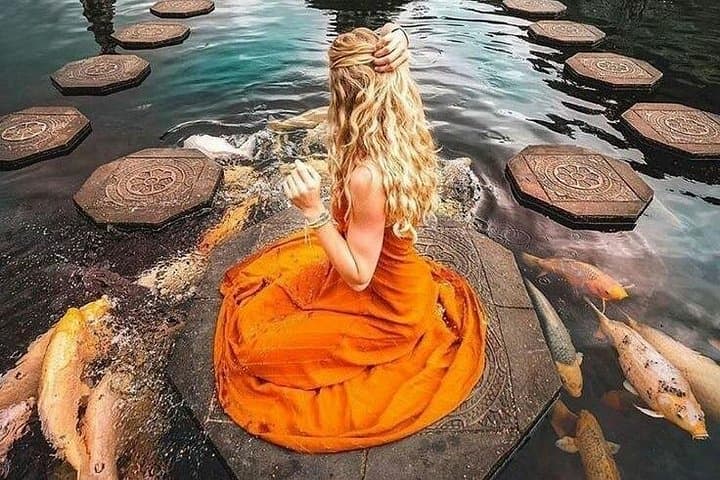
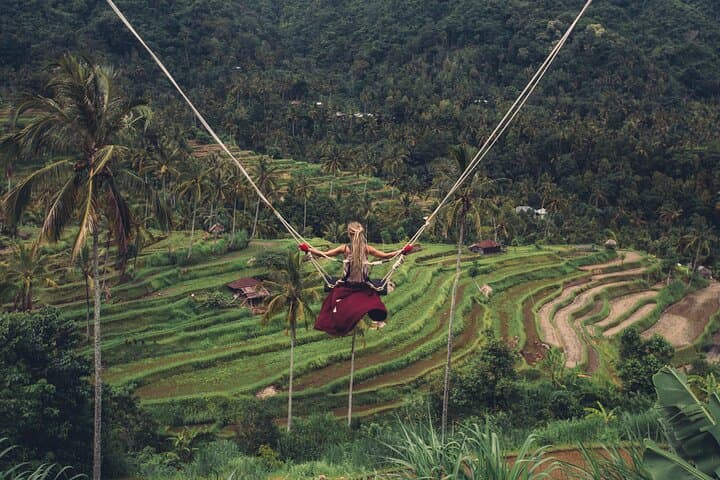
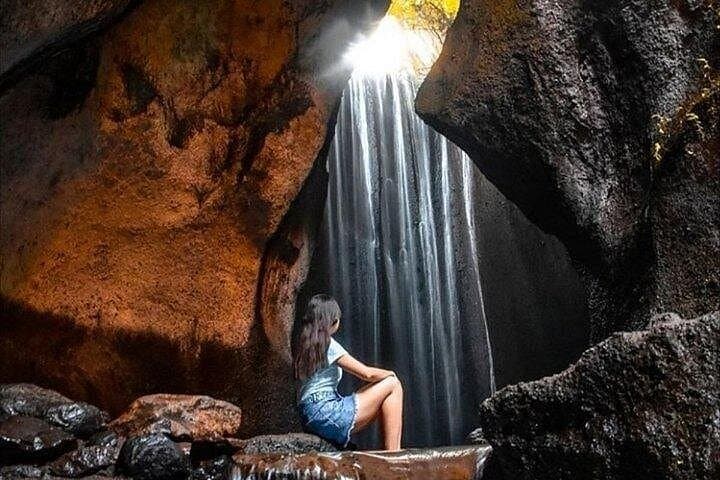
This full-day route moves east from the rice terraces toward the volcanic shoulders of Karangasem. Lempuyang Temple is one of Bali’s oldest directional shrines; its stone stair and gates climb the ridge where the view meets ritual. Nearby Tirta Gangga is a 20th‑century water palace built by the Karangasem royalty—ornamental pools, carved fountains and koi that scatter like living jewels when you approach. Downstream, Tukad Cepung waterfall bursts through a canyon roof: sunlight funnels into the gorge and the water dares you to step closer and feel the spray.
Geology here is volcanic—steep river-cut gorges and pumice-rich terraces shaped by Mount Agung’s eruptions. Culture is visible in small offerings, temple dress codes and local nurseries that grow ornamental plants for ceremonies. Coffee plantations along the way offer a chance to smell roasting beans and try a local brew.
Practical guidance: leave early to catch soft light at Lempuyang and avoid afternoon crowds; bring a sarong for temples, slip‑resistant shoes for wet rock, swimwear for safe pools, and a dry bag for electronics. Stay hydrated—10 hours on the road with short walks—and respect temple rules and sacred water by not entering pools unless explicitly allowed.
easy.
10 hours.
Suitable for travelers in average physical condition; involves several short walks and stairs but no technical climbing.
Yes, both sites typically charge modest entrance fees; your tour may or may not include admissions—confirm with the operator before you go.
This itinerary is generally family-friendly but involves stairs and uneven ground; travelers with mobility issues should verify specific stop accessibility.
Tukad Cepung often allows wading and swimming at designated spots; Tirta Gangga has pools primarily for viewing and ritual use—obey posted signs and attendants.
Expect multiple 30–90 minute drives between sites depending on traffic and your pickup location—the full tour runs around 10 hours including transport and stops.
Tirta Gangga was developed in the mid-20th century by the Karangasem royal family as a water palace, while Lempuyang is part of Bali’s ancient directional temple network dedicated to Mount Agung.
These sites are fragile—avoid littering, stay on marked paths and respect sacred water by not using soaps; local guides support controlled access to protect temple grounds and river ecosystems.
Krisna Bali Trekking Tour operates guided outdoor trips and adventures with an emphasis on safety, stewardship, and memorable experiences.
You step out of the minivan into air that tastes faintly of sea salt and incense, Mount Agung watching like an old, slow-breathing giant. The first light slides through the Lempuyang gate and turns the stone outline into a frame for the volcano—an instant that draws a small crowd and a steady click of cameras.
You step out of the minivan into air that tastes faintly of sea salt and incense, Mount Agung watching like an old, slow-breathing giant. The first light slides through the Lempuyang gate and turns the stone outline into a frame for the volcano—an instant that draws a small crowd and a steady click of cameras.
This full-day route moves east from the rice terraces toward the volcanic shoulders of Karangasem. Lempuyang Temple is one of Bali’s oldest directional shrines; its stone stair and gates climb the ridge where the view meets ritual. Nearby Tirta Gangga is a 20th‑century water palace built by the Karangasem royalty—ornamental pools, carved fountains and koi that scatter like living jewels when you approach. Downstream, Tukad Cepung waterfall bursts through a canyon roof: sunlight funnels into the gorge and the water dares you to step closer and feel the spray.
Geology here is volcanic—steep river-cut gorges and pumice-rich terraces shaped by Mount Agung’s eruptions. Culture is visible in small offerings, temple dress codes and local nurseries that grow ornamental plants for ceremonies. Coffee plantations along the way offer a chance to smell roasting beans and try a local brew.
Practical guidance: leave early to catch soft light at Lempuyang and avoid afternoon crowds; bring a sarong for temples, slip‑resistant shoes for wet rock, swimwear for safe pools, and a dry bag for electronics. Stay hydrated—10 hours on the road with short walks—and respect temple rules and sacred water by not entering pools unless explicitly allowed.