THE ADVENTURE COLLECTIVE® · Independent discovery and booking for outdoor travel

Spend a day east of Ubud chasing three of Bali’s most photogenic falls—Tukad Cepung’s canyon light, Tibumana’s jungle plunge and Kanto Lampo’s stepped cascade. This private full‑day tour pairs short hikes and cooling swims with a local driver who handles logistics.
Spend a day east of Ubud chasing three of Bali’s most photogenic falls—Tukad Cepung’s canyon light, Tibumana’s jungle plunge and Kanto Lampo’s stepped cascade. This private full‑day tour pairs short hikes and cooling swims with a local driver who handles logistics.
By 08:00 the minivan threads out of Ubud and the jungle closes in. You feel the engine slow and the air thicken with humidity; sugar palms and rice terraces trade places with steeper forested slopes. The first sign is the thrum of water—an almost subterranean sound—before Tukad Cepung appears, a narrow slot where sunlight drops through the canyon like a found coin. Visitors step down a short, rocky path and wade through a knee‑high stream; the falls keep their secret here, producing columns of light that seem to push the canyon walls into sharper relief.
Verified experiences and guided adventures in the surrounding area.
Operated by Dewata Memories Tours · Ubud, Bali
By 08:00 the minivan threads out of Ubud and the jungle closes in. You feel the engine slow and the air thicken with humidity; sugar palms and rice terraces trade places with steeper forested slopes. The first sign is the thrum of water—an almost subterranean sound—before Tukad Cepung appears, a narrow slot where sunlight drops through the canyon like a found coin. Visitors step down a short, rocky path and wade through a knee‑high stream; the falls keep their secret here, producing columns of light that seem to push the canyon walls into sharper relief.
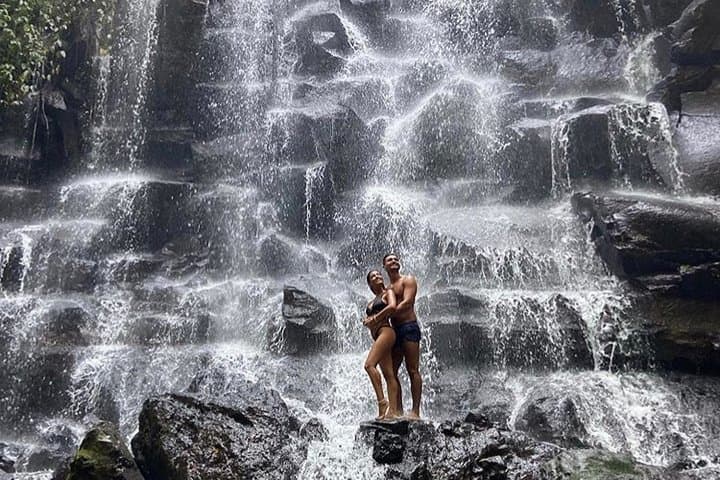
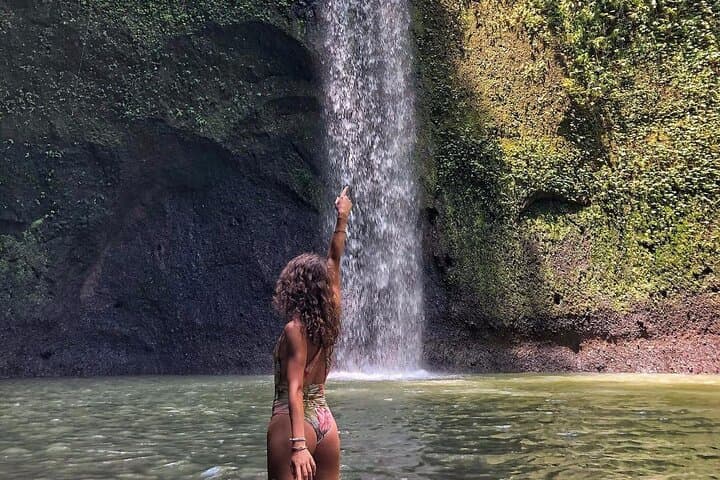
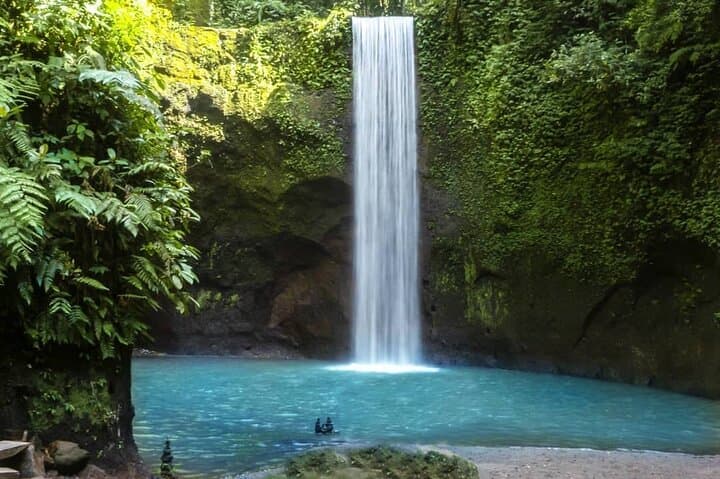
Tukad Cepung, Tibumana and Kanto Lampo are each shaped by Bali’s volcanic backbone—rivers pushing through softer volcanic deposits, carving grooves and pools over millennia. Tukad Cepung’s amphitheater is a small canyon cut into andesitic flows and alluvium; Tibumana sits deeper in the humid gullies east of central Ubud, draining the slopes with a steady, curtain‑like drop; Kanto Lampo tumbles over a cascade of stacked boulders that the river has smoothed into photographic tiers.
These waterfalls are more than scenery. Locally they’re part of daily life—farmers offer small canang (flower offerings) near pools, and older residents still bring rice to temple shrines tucked into the trees. The tour operator handles logistics: an English‑speaking driver, hotel pickup across Ubud and southern Bali, and entrance ticket options for the three sites. Private transfer means you move on your schedule, but the best window for light and smaller crowds is early morning—Tukad Cepung is particularly dramatic before mid‑day.
What to expect on the ground: short hikes of 200–600 m between parking and viewpoints, stairs and uneven stone, and occasional shallow river crossings (Tukad Cepung requires wading). Elevation changes are modest—roughly 30–100 m down from roads into valleys—but footing can be slippery after rain. Tibumana’s pool reaches about 1.5–2 m at its deepest point; it’s refreshing but not an area for diving.
Practical planning: bring water shoes, quick‑dry layers, reef‑safe sunscreen and a waterproof phone case for Instagram‑ready shots. Carry small bills for local fees and a towel for the return. If you want fewer people in the frame, ask for the earliest pickup and aim to leave each site before noon when tour buses arrive.
This private eastern‑waterfalls circuit pairs cinematic waterfalls with accessible trails and local color—ideal for travelers who want a day in nature that balances ease, photography and a close‑up of Bali’s living landscape.
moderate.
8–9 hours.
Suitable for average fitness: short hikes, stairs and brief wading; expect multiple low‑angle descents and uneven ground.
The private tour runs approximately 8–9 hours (480–540 minutes) with hotel pick‑up and drop‑off included for central Bali areas.
Yes—Tibumana and Kanto Lampo allow swimming (Tibumana reaches about 1.5–2 m deep); Tukad Cepung is shallow and often better for wading and photos.
The trip is suitable for most ages but includes stairs, short hikes and occasional wading—not recommended for travelers with spinal injuries or pregnant guests.
Quick‑dry clothing, water shoes or sturdy sandals, and a light layer for travel are best; modesty near shrines is appreciated.
Tickets can be included as an option; check booking details—some local fees may be payable on arrival.
The tour includes an English‑speaking driver who accompanies you all day; sites are accessible without technical guides.
These waterways have been shaped by Bali’s volcanic landscape; local communities have long used the pools for ritual cleansing and daily water needs.
Keep to marked paths and avoid disposing plastics; support local vendors who work with operators to collect fees for trail maintenance.
Dewata Memories Tours operates guided outdoor trips and adventures with an emphasis on safety, stewardship, and memorable experiences.
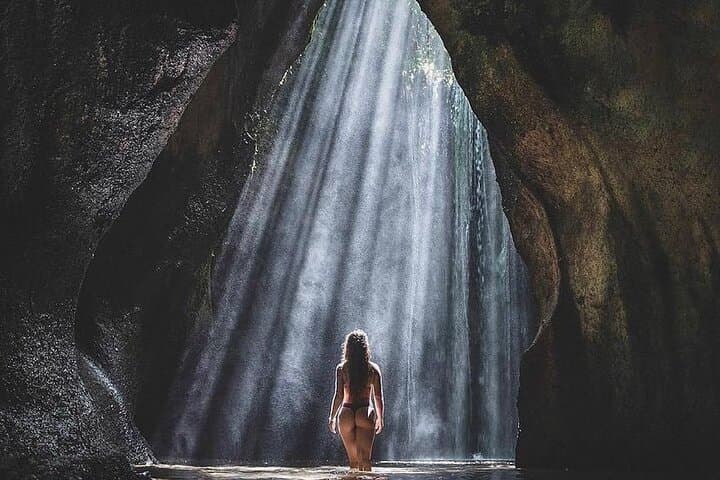
By 08:00 the minivan threads out of Ubud and the jungle closes in. You feel the engine slow and the air thicken with humidity; sugar palms and rice terraces trade places with steeper forested slopes. The first sign is the thrum of water—an almost subterranean sound—before Tukad Cepung appears, a narrow slot where sunlight drops through the canyon like a found coin. Visitors step down a short, rocky path and wade through a knee‑high stream; the falls keep their secret here, producing columns of light that seem to push the canyon walls into sharper relief.
By 08:00 the minivan threads out of Ubud and the jungle closes in. You feel the engine slow and the air thicken with humidity; sugar palms and rice terraces trade places with steeper forested slopes. The first sign is the thrum of water—an almost subterranean sound—before Tukad Cepung appears, a narrow slot where sunlight drops through the canyon like a found coin. Visitors step down a short, rocky path and wade through a knee‑high stream; the falls keep their secret here, producing columns of light that seem to push the canyon walls into sharper relief.
Tukad Cepung, Tibumana and Kanto Lampo are each shaped by Bali’s volcanic backbone—rivers pushing through softer volcanic deposits, carving grooves and pools over millennia. Tukad Cepung’s amphitheater is a small canyon cut into andesitic flows and alluvium; Tibumana sits deeper in the humid gullies east of central Ubud, draining the slopes with a steady, curtain‑like drop; Kanto Lampo tumbles over a cascade of stacked boulders that the river has smoothed into photographic tiers.
These waterfalls are more than scenery. Locally they’re part of daily life—farmers offer small canang (flower offerings) near pools, and older residents still bring rice to temple shrines tucked into the trees. The tour operator handles logistics: an English‑speaking driver, hotel pickup across Ubud and southern Bali, and entrance ticket options for the three sites. Private transfer means you move on your schedule, but the best window for light and smaller crowds is early morning—Tukad Cepung is particularly dramatic before mid‑day.
What to expect on the ground: short hikes of 200–600 m between parking and viewpoints, stairs and uneven stone, and occasional shallow river crossings (Tukad Cepung requires wading). Elevation changes are modest—roughly 30–100 m down from roads into valleys—but footing can be slippery after rain. Tibumana’s pool reaches about 1.5–2 m at its deepest point; it’s refreshing but not an area for diving.
Practical planning: bring water shoes, quick‑dry layers, reef‑safe sunscreen and a waterproof phone case for Instagram‑ready shots. Carry small bills for local fees and a towel for the return. If you want fewer people in the frame, ask for the earliest pickup and aim to leave each site before noon when tour buses arrive.
This private eastern‑waterfalls circuit pairs cinematic waterfalls with accessible trails and local color—ideal for travelers who want a day in nature that balances ease, photography and a close‑up of Bali’s living landscape.