THE ADVENTURE COLLECTIVE® · Independent discovery and booking for outdoor travel

Spend a full day diving Bali’s most compelling sites—Tulamben’s USAT Liberty wreck and Manta Point at Nusa Penida—on a small-group guided trip. Expect shore dives, rental gear, lunch, and possible manta and turtle encounters with an experienced dive leader.
Spend a full day diving Bali’s most compelling sites—Tulamben’s USAT Liberty wreck and Manta Point at Nusa Penida—on a small-group guided trip. Expect shore dives, rental gear, lunch, and possible manta and turtle encounters with an experienced dive leader.
Early morning light over Bali feels like a cue to move—boats bob in Sanur harbor as drivers collect gear and brief divers. On this day trip you trade hotel noise for reef noise: the hum of bubbles, the brush of fins through coral, and the steady silhouette of the USAT Liberty resting on a black-sand slope. The ocean here is active; currents and tidal windows decide the rhythm, and manta rays at Nusa Penida often sweep through cleaning stations as if performing their own choreography.
Verified experiences and guided adventures in the surrounding area.
Operated by Bali Fun Diving · Tulamben, Bali
Early morning light over Bali feels like a cue to move—boats bob in Sanur harbor as drivers collect gear and brief divers. On this day trip you trade hotel noise for reef noise: the hum of bubbles, the brush of fins through coral, and the steady silhouette of the USAT Liberty resting on a black-sand slope. The ocean here is active; currents and tidal windows decide the rhythm, and manta rays at Nusa Penida often sweep through cleaning stations as if performing their own choreography.
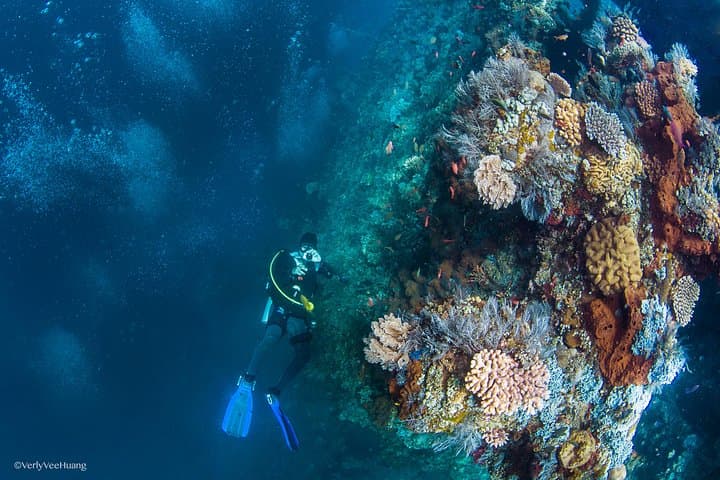
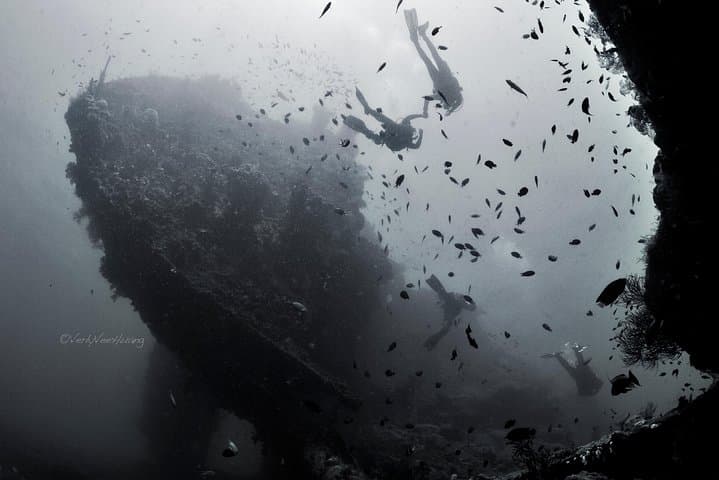
The Liberty sank in 1942 and became a reef-building surface, its steel bones now colonized by hard corals and schooling fish. Geologically Bali is young and volcanic; underwater, lava-derived sands and abrupt drop-offs shape the dive profiles. Culturally, coastal villages like Tulamben and nearby Amed remain fishing-first communities—expect simple harbors, local warungs, and boats maintained by families who’ve worked these waters for generations.
Practically: expect a 2.5-hour transfer from Sanur, two shore dives at Tulamben, and a return by midafternoon; lunch and basic gear rental are included and small group ratios (often 3:1) keep the experience guided. Beginners can try a supervised dive, but certified divers should carry a dive computer. Observe the 18-hour no-fly guideline after diving. Bring reef-safe sunscreen, a light towel, and patience for traffic; currents and visibility vary with season. This trip pairs close-access wreck exploration with possible pelagic encounters—an accessible, full-day dive loop that rewards attention to technique and respect for the reef.
moderate.
9 hours.
Basic to moderate fitness—comfortable getting on/off boats, handling gear, and walking on uneven shores.
No—certified divers can join guided dives; non-certified guests can usually book an introductory try-dive under instructor supervision.
Expect roughly 2–2.5 hours each way by road, depending on traffic and pickup route.
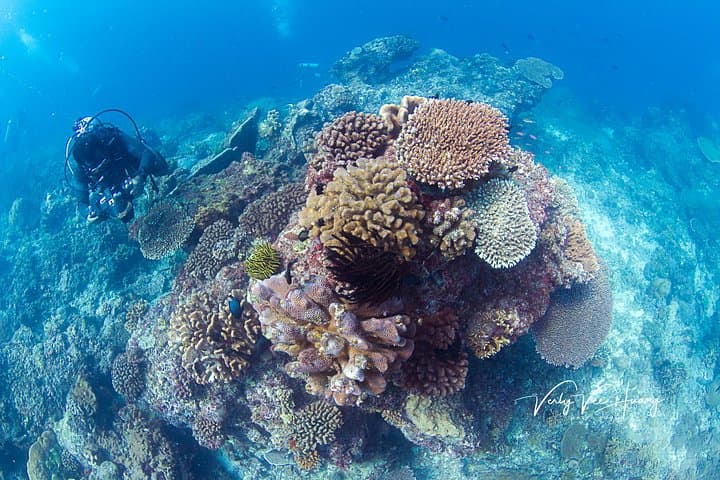
Common sightings include reef fish, scorpionfish, nudibranchs, sea turtles, and occasional manta rays at cleaning stations near Nusa Penida.
Yes—air tanks, weight belts and standard equipment rentals (BCD, regulator, mask, fins, wetsuit) are typically included in the package.
The USAT Liberty was a U.S. cargo ship torpedoed in 1942; over decades it has become one of the most visited wrecks in Bali, colonized by coral and marine life.
Local dive operators emphasize reef-friendly practices—use reef-safe sunscreen, avoid touching coral, and support community cleanups when possible.
Bali Fun Diving operates guided outdoor trips and adventures with an emphasis on safety, stewardship, and memorable experiences.

Early morning light over Bali feels like a cue to move—boats bob in Sanur harbor as drivers collect gear and brief divers. On this day trip you trade hotel noise for reef noise: the hum of bubbles, the brush of fins through coral, and the steady silhouette of the USAT Liberty resting on a black-sand slope. The ocean here is active; currents and tidal windows decide the rhythm, and manta rays at Nusa Penida often sweep through cleaning stations as if performing their own choreography.
Early morning light over Bali feels like a cue to move—boats bob in Sanur harbor as drivers collect gear and brief divers. On this day trip you trade hotel noise for reef noise: the hum of bubbles, the brush of fins through coral, and the steady silhouette of the USAT Liberty resting on a black-sand slope. The ocean here is active; currents and tidal windows decide the rhythm, and manta rays at Nusa Penida often sweep through cleaning stations as if performing their own choreography.
The Liberty sank in 1942 and became a reef-building surface, its steel bones now colonized by hard corals and schooling fish. Geologically Bali is young and volcanic; underwater, lava-derived sands and abrupt drop-offs shape the dive profiles. Culturally, coastal villages like Tulamben and nearby Amed remain fishing-first communities—expect simple harbors, local warungs, and boats maintained by families who’ve worked these waters for generations.
Practically: expect a 2.5-hour transfer from Sanur, two shore dives at Tulamben, and a return by midafternoon; lunch and basic gear rental are included and small group ratios (often 3:1) keep the experience guided. Beginners can try a supervised dive, but certified divers should carry a dive computer. Observe the 18-hour no-fly guideline after diving. Bring reef-safe sunscreen, a light towel, and patience for traffic; currents and visibility vary with season. This trip pairs close-access wreck exploration with possible pelagic encounters—an accessible, full-day dive loop that rewards attention to technique and respect for the reef.