THE ADVENTURE COLLECTIVE® · Independent discovery and booking for outdoor travel

Spend a day watching Mount Batur from a volcano-view café, cooling off under Tibumana Waterfall, and strolling the layered rice paddies of Tegalalang. This manageable loop blends dramatic geology, sustainable farming, and local coffee culture—ideal for a full-day outing from Ubud.
Spend a day watching Mount Batur from a volcano-view café, cooling off under Tibumana Waterfall, and strolling the layered rice paddies of Tegalalang. This manageable loop blends dramatic geology, sustainable farming, and local coffee culture—ideal for a full-day outing from Ubud.
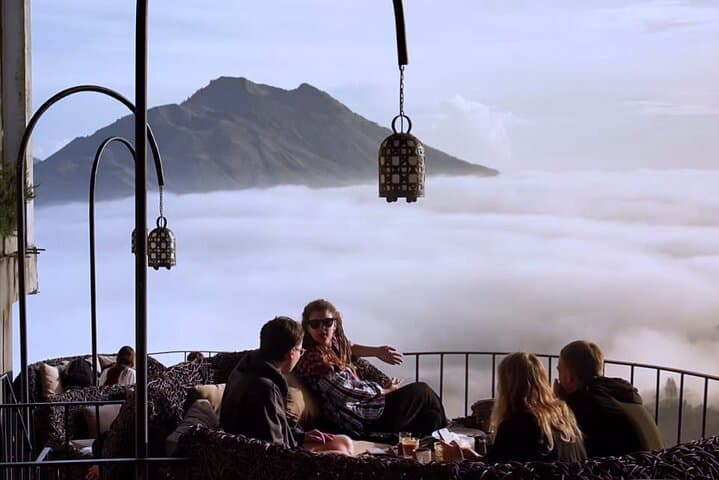
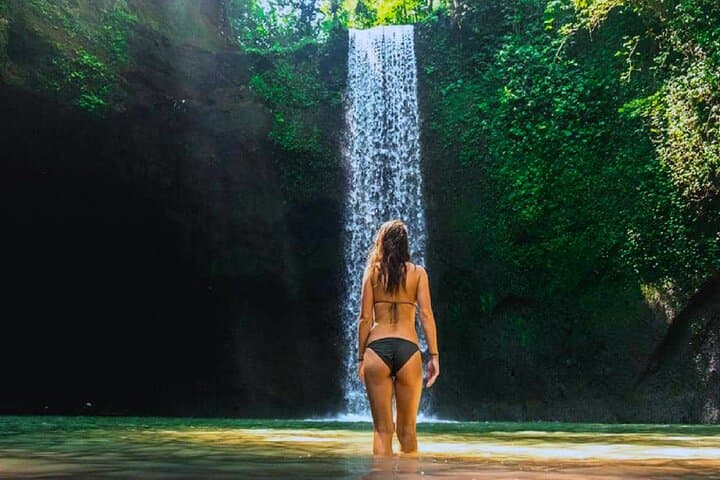
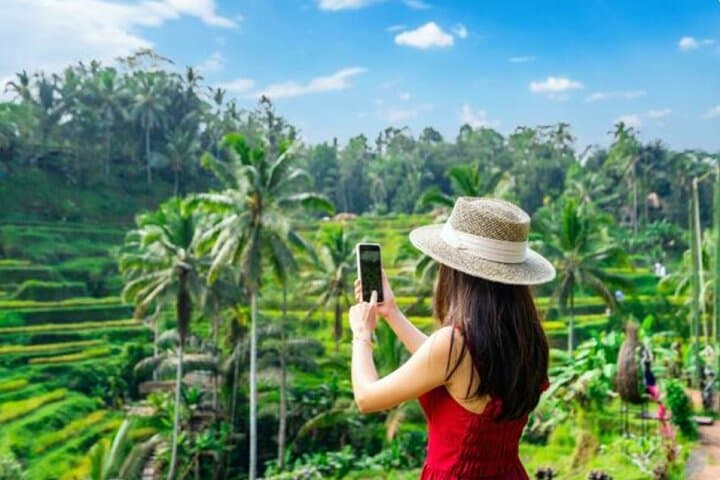
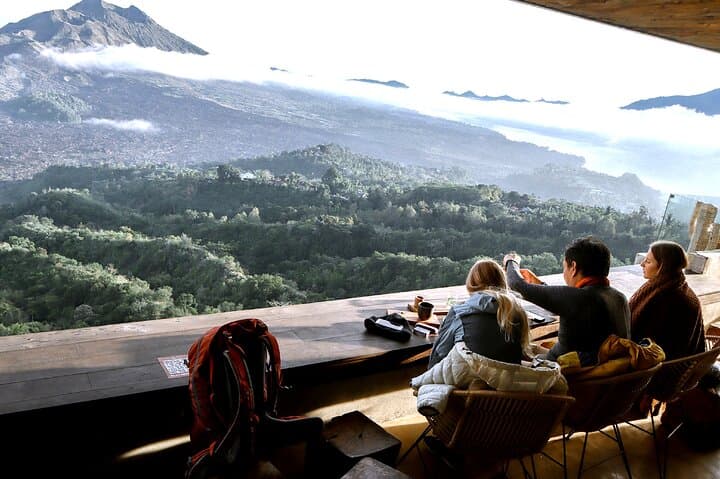
You arrive before the heat, clutching a steaming cup at a café perched on Kintamani’s rim as Mount Batur looms—an active silhouette pushing steam and clouds across the valley. The air tastes of coffee and ash; the view forces a slow breath. Later the route drops into jungle shade where Tibumana Waterfall announces itself with a thin, confident ribbon falling into a clear, swimmable pool. By afternoon the landscape opens again to the carved green steps of Tegalalang, where water channels step like careful hands guiding rice paddies into the slope.
Verified experiences and guided adventures in the surrounding area.
Operated by Ni Ketut Seniary Dewi · Ubud, Bali
You arrive before the heat, clutching a steaming cup at a café perched on Kintamani’s rim as Mount Batur looms—an active silhouette pushing steam and clouds across the valley. The air tastes of coffee and ash; the view forces a slow breath. Later the route drops into jungle shade where Tibumana Waterfall announces itself with a thin, confident ribbon falling into a clear, swimmable pool. By afternoon the landscape opens again to the carved green steps of Tegalalang, where water channels step like careful hands guiding rice paddies into the slope.
Geology here is loud and recent: Mount Batur’s eruptions shaped the surrounding caldera and created fertile soils that sustain rice farming. Culture is woven into the fields—Tegalalang’s terraces are maintained through Subak, the communal irrigation system recognized by UNESCO. Kintamani Arabica coffee grows at higher elevations; many cafés roast local beans onsite and sell packaged coffee to take home.
Practical guidance: this is an easy, full-day loop best started at dawn for cooler air and softer light. Expect short walks, stairs and uneven paths—comfortable shoes and modest clothing for temple stops are recommended. Entry fees for Tibumana and Tegalalang are typically small and often included in day tours; bring cash for small donations and snacks. If you plan to swim at Tibumana, bring swimwear and a quick-dry towel; the pool is shallow but stones can be slippery. Respect local farmers—stick to paths, avoid trampling paddies, and take any trash with you. Photographs are plentiful; patience rewards quieter vantage points off the main viewpoints.
easy.
6–7 hours.
Suitable for most fitness levels; requires short walks, stairs and some uneven terrain
Many private day tours include entrance fees for Tibumana and Tegalalang, but verify on booking and carry small cash in case additional local charges apply.
Yes—Tibumana has a shallow, swimmable pool; watch for slippery rocks and avoid strong currents after heavy rain.
Yes; the itinerary is family-friendly but requires supervision at the waterfall and care on steep terrace paths.
Tipping is appreciated but not mandatory; small tips for good service are common and best given in local currency.
The Subak irrigation system used on Tegalalang is a centuries-old communal method integral to Balinese agriculture and social structure, recognized by UNESCO.
Stick to marked trails, avoid single-use plastics, and support local warungs and certified coffee producers to help sustain communities and landscapes.
Ni Ketut Seniary Dewi operates guided outdoor trips and adventures with an emphasis on safety, stewardship, and memorable experiences.
You arrive before the heat, clutching a steaming cup at a café perched on Kintamani’s rim as Mount Batur looms—an active silhouette pushing steam and clouds across the valley. The air tastes of coffee and ash; the view forces a slow breath. Later the route drops into jungle shade where Tibumana Waterfall announces itself with a thin, confident ribbon falling into a clear, swimmable pool. By afternoon the landscape opens again to the carved green steps of Tegalalang, where water channels step like careful hands guiding rice paddies into the slope.
You arrive before the heat, clutching a steaming cup at a café perched on Kintamani’s rim as Mount Batur looms—an active silhouette pushing steam and clouds across the valley. The air tastes of coffee and ash; the view forces a slow breath. Later the route drops into jungle shade where Tibumana Waterfall announces itself with a thin, confident ribbon falling into a clear, swimmable pool. By afternoon the landscape opens again to the carved green steps of Tegalalang, where water channels step like careful hands guiding rice paddies into the slope.
Geology here is loud and recent: Mount Batur’s eruptions shaped the surrounding caldera and created fertile soils that sustain rice farming. Culture is woven into the fields—Tegalalang’s terraces are maintained through Subak, the communal irrigation system recognized by UNESCO. Kintamani Arabica coffee grows at higher elevations; many cafés roast local beans onsite and sell packaged coffee to take home.
Practical guidance: this is an easy, full-day loop best started at dawn for cooler air and softer light. Expect short walks, stairs and uneven paths—comfortable shoes and modest clothing for temple stops are recommended. Entry fees for Tibumana and Tegalalang are typically small and often included in day tours; bring cash for small donations and snacks. If you plan to swim at Tibumana, bring swimwear and a quick-dry towel; the pool is shallow but stones can be slippery. Respect local farmers—stick to paths, avoid trampling paddies, and take any trash with you. Photographs are plentiful; patience rewards quieter vantage points off the main viewpoints.