THE ADVENTURE COLLECTIVE® · Independent discovery and booking for outdoor travel

Experience a half-day private tour from Ubud that pairs a centuries-old purification ritual at Tirta Empul with a panoramic lunch overlooking Mount Batur. Practical, respectful, and immersive—this tour blends culture, geology and gentle exploration.
Experience a half-day private tour from Ubud that pairs a centuries-old purification ritual at Tirta Empul with a panoramic lunch overlooking Mount Batur. Practical, respectful, and immersive—this tour blends culture, geology and gentle exploration.
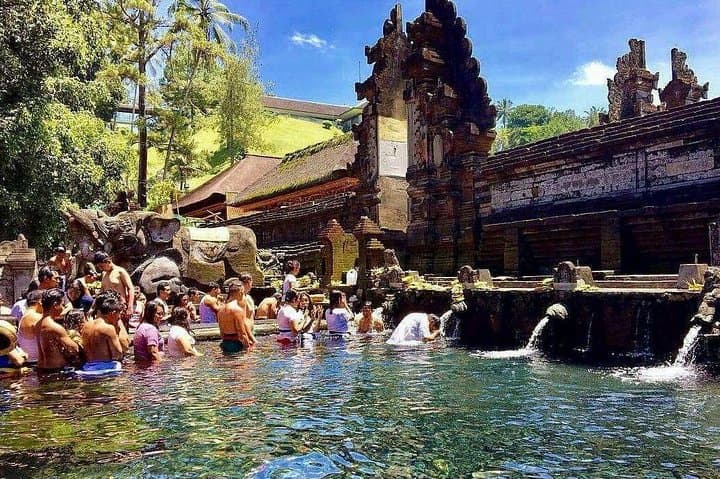
Mist rises off a carved stone spout as the guide leads the group through a cool courtyard of mossed volcanic rock. The air tastes faintly of incense and offerings; water moves with purpose, inviting careful steps and quiet attention. This is Tirta Empul, the sacred spring where Balinese purification rituals unfold, followed by a scenic drive up to Kintamani for lunch with Mount Batur’s smoking cone on the horizon.
Verified experiences and guided adventures in the surrounding area.
Operated by Ubud baliday tour · Ubud, Bali
Mist rises off a carved stone spout as the guide leads the group through a cool courtyard of mossed volcanic rock. The air tastes faintly of incense and offerings; water moves with purpose, inviting careful steps and quiet attention. This is Tirta Empul, the sacred spring where Balinese purification rituals unfold, followed by a scenic drive up to Kintamani for lunch with Mount Batur’s smoking cone on the horizon.
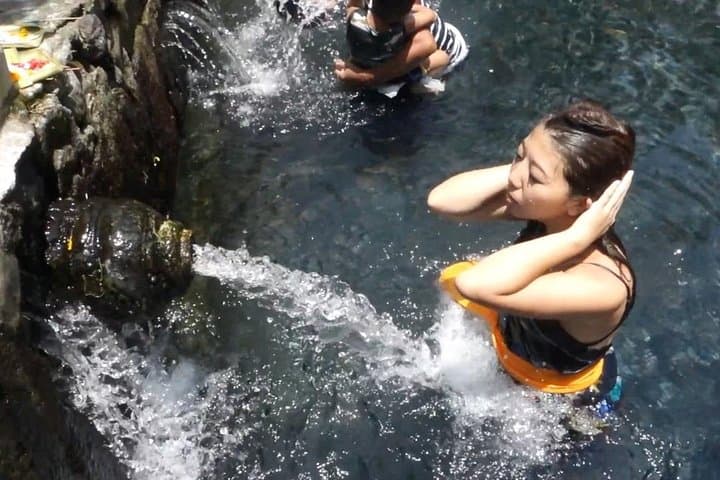
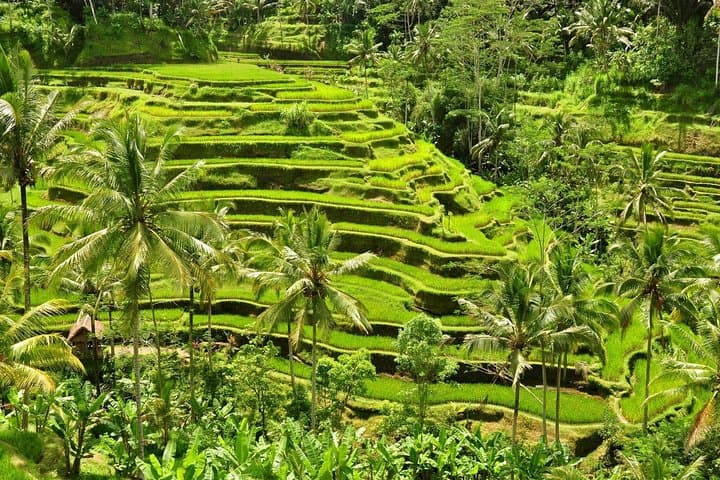
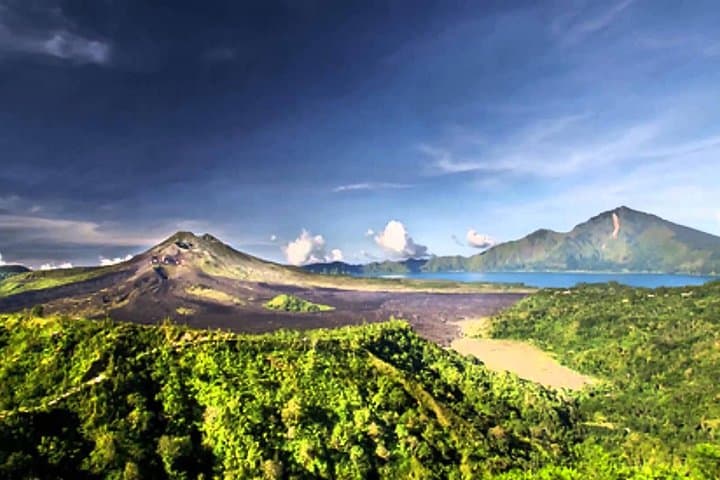
The route threads together Tegallalang’s tiered rice terraces—an irrigation system known locally as subak—then cuts inland to a 10th-century holy spring that has shaped local faith and daily life for centuries. Mount Batur and its caldera lake speak to Bali’s volcanic origins: young lava flows, ash-lined ridgelines and fertile soils that feed coffee gardens below. Culture here is visible in small offerings at doorways, the measured cadence of priests, and the ritual Melukat bath that aims to cleanse negative energies according to Balinese Hindu practice.
Practically, the private, 6–7 hour experience is low-impact: expect short walks on stone steps, shallow pools for bathing, and a seated lunch with panoramic views. Wear a sarong (one is provided), bring sun protection and a refillable bottle, and be prepared to follow the guide’s directions during the purification ritual. Photography is common but defer to worshippers during private rites.
Timing matters: mornings are cooler and less crowded at Tirta Empul; late afternoon light softens the Batur panorama. Respect local customs, stay on marked paths and pack out waste—these landscapes and rituals endure because visitors tread thoughtfully.
easy.
6–7 hours.
Suitable for most travelers in average physical condition; involves short walks and standing during rituals and viewpoints.
Yes—temple dress codes require a sarong and sash; the tour includes a sarong for visitors who need one.
Families can join, but participation in Melukat is voluntary; parents should follow the guide’s safety advice for children near pools and steps.
The private tour runs about 6–7 hours with hotel pickup and return included, covering Tegallalang, Tirta Empul, and Kintamani lunch stop.
Full refund available if you cancel at least 24 hours before the scheduled departure; no refund within 24 hours.
Tirta Empul dates to the 10th century and has long served as a ritual spring for purification in Balinese Hindu practice; Tegallalang’s terraces reflect centuries of communal subak irrigation.
Visitors are asked to respect temple spaces, avoid single-use plastics, and stay on paths to limit erosion around rice terraces and fragile volcanic slopes.
Ubud baliday tour operates guided outdoor trips and adventures with an emphasis on safety, stewardship, and memorable experiences.
Mist rises off a carved stone spout as the guide leads the group through a cool courtyard of mossed volcanic rock. The air tastes faintly of incense and offerings; water moves with purpose, inviting careful steps and quiet attention. This is Tirta Empul, the sacred spring where Balinese purification rituals unfold, followed by a scenic drive up to Kintamani for lunch with Mount Batur’s smoking cone on the horizon.
Mist rises off a carved stone spout as the guide leads the group through a cool courtyard of mossed volcanic rock. The air tastes faintly of incense and offerings; water moves with purpose, inviting careful steps and quiet attention. This is Tirta Empul, the sacred spring where Balinese purification rituals unfold, followed by a scenic drive up to Kintamani for lunch with Mount Batur’s smoking cone on the horizon.
The route threads together Tegallalang’s tiered rice terraces—an irrigation system known locally as subak—then cuts inland to a 10th-century holy spring that has shaped local faith and daily life for centuries. Mount Batur and its caldera lake speak to Bali’s volcanic origins: young lava flows, ash-lined ridgelines and fertile soils that feed coffee gardens below. Culture here is visible in small offerings at doorways, the measured cadence of priests, and the ritual Melukat bath that aims to cleanse negative energies according to Balinese Hindu practice.
Practically, the private, 6–7 hour experience is low-impact: expect short walks on stone steps, shallow pools for bathing, and a seated lunch with panoramic views. Wear a sarong (one is provided), bring sun protection and a refillable bottle, and be prepared to follow the guide’s directions during the purification ritual. Photography is common but defer to worshippers during private rites.
Timing matters: mornings are cooler and less crowded at Tirta Empul; late afternoon light softens the Batur panorama. Respect local customs, stay on marked paths and pack out waste—these landscapes and rituals endure because visitors tread thoughtfully.