THE ADVENTURE COLLECTIVE® · Independent discovery and booking for outdoor travel

Spend a day among Bali’s working artisan villages — batik in Tohpati, silver in Celuk, painters in Ubud and carvers in Mas — with hotel pickup and a local driver-guide. Watch craftsmen at work, learn local techniques, and shop with practical tips for bargaining and transport.
Spend a day among Bali’s working artisan villages — batik in Tohpati, silver in Celuk, painters in Ubud and carvers in Mas — with hotel pickup and a local driver-guide. Watch craftsmen at work, learn local techniques, and shop with practical tips for bargaining and transport.
A low-slung minivan eases out of Denpasar traffic and the air changes: you feel humidity, motorbikes skitter past rice paddies, and small compound gates open to reveal studios where craftsmen are at work.
Verified experiences and guided adventures in the surrounding area.
Operated by Telaga Waja Rafting Bali · Ubud, Bali
A low-slung minivan eases out of Denpasar traffic and the air changes: you feel humidity, motorbikes skitter past rice paddies, and small compound gates open to reveal studios where craftsmen are at work.
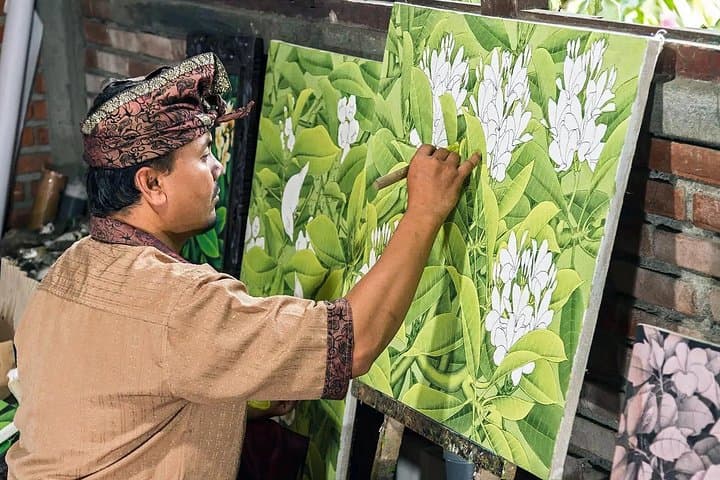
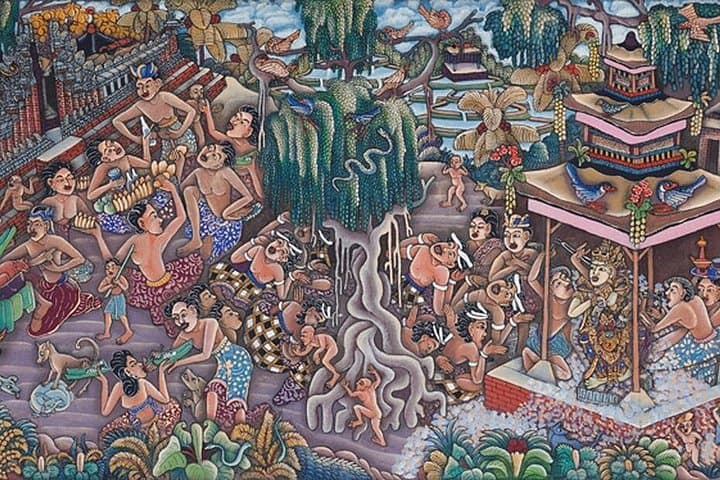
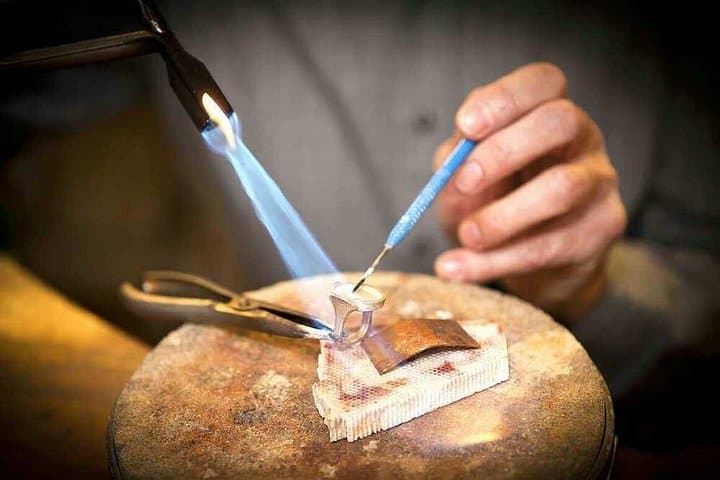
This full-day shopping tour threads Tohpati’s batik ateliers, Celuk’s silver and gold workshops, Ubud’s vibrant painting galleries and Mas’s wood-carving studios. Each stop is a working neighborhood — dyes steaming in Tohpati, hammers and polishing wheels in Celuk, paint fumes and canvas drying racks in Ubud, chisels tapping in Mas.
Bali’s artisan culture grew from Hindu-Balinese temple patronage and household guilds; villages specialized over centuries so techniques like ikat weaving and repoussé silverwork became concentrated skills passed down in families. Geologically, these villages sit on volcanic soils that long supported rice agriculture; the practical proximity of wood and metal crafts to villages shaped local economies.
Expect direct encounters with makers: watch batik waxing, examine silver filigree up close, and see carvers complete a mask. Local etiquette matters — modest dress for temple-affiliated shops, photos often asked for permission, and craftsmen appreciate respectful bargaining that recognizes skill and material costs.
Practical tips: the tour lasts about 6–7 hours with hotel pickup, mostly vehicle-based with short walks between workshops. Carry cash for smaller stalls, wear comfortable shoes for uneven compound floors, bring sun protection and a small bag for purchases. Plan the day during Bali’s dry months for easier walking between open-air galleries and to avoid afternoon showers that can close small workshops temporarily.
easy.
6–7 hours.
Suitable for most fitness levels; mostly vehicle travel with short walks and standing in shops.
Yes — pickup and drop-off from hotels or villas in the service area are included as part of the private tour.
Vegetarian options are available; advise the operator at booking so they can arrange the set-menu accordingly.
Shops run the gamut: galleries may have fixed prices while market stalls and small workshops expect polite bargaining — start lower and negotiate respectfully.
Yes — the tour is family-friendly; infants under 2 are usually free but check seating and child-safety requirements with the operator.
Artisan specialization in Bali developed over centuries with village guilds and temple patronage; Celuk became a metalwork hub while Tohpati is known for traditional batik and ikat patterns.
Support sustainability by asking about materials (avoid items made from endangered hardwoods), favor locally made goods and reduce plastic by bringing reusable bags.
Telaga Waja Rafting Bali operates guided outdoor trips and adventures with an emphasis on safety, stewardship, and memorable experiences.

A low-slung minivan eases out of Denpasar traffic and the air changes: you feel humidity, motorbikes skitter past rice paddies, and small compound gates open to reveal studios where craftsmen are at work.
A low-slung minivan eases out of Denpasar traffic and the air changes: you feel humidity, motorbikes skitter past rice paddies, and small compound gates open to reveal studios where craftsmen are at work.
This full-day shopping tour threads Tohpati’s batik ateliers, Celuk’s silver and gold workshops, Ubud’s vibrant painting galleries and Mas’s wood-carving studios. Each stop is a working neighborhood — dyes steaming in Tohpati, hammers and polishing wheels in Celuk, paint fumes and canvas drying racks in Ubud, chisels tapping in Mas.
Bali’s artisan culture grew from Hindu-Balinese temple patronage and household guilds; villages specialized over centuries so techniques like ikat weaving and repoussé silverwork became concentrated skills passed down in families. Geologically, these villages sit on volcanic soils that long supported rice agriculture; the practical proximity of wood and metal crafts to villages shaped local economies.
Expect direct encounters with makers: watch batik waxing, examine silver filigree up close, and see carvers complete a mask. Local etiquette matters — modest dress for temple-affiliated shops, photos often asked for permission, and craftsmen appreciate respectful bargaining that recognizes skill and material costs.
Practical tips: the tour lasts about 6–7 hours with hotel pickup, mostly vehicle-based with short walks between workshops. Carry cash for smaller stalls, wear comfortable shoes for uneven compound floors, bring sun protection and a small bag for purchases. Plan the day during Bali’s dry months for easier walking between open-air galleries and to avoid afternoon showers that can close small workshops temporarily.