THE ADVENTURE COLLECTIVE® · Independent discovery and booking for outdoor travel

Spend a day tracing Bali’s cultural core: royal temples, lakeside shrines and sweeping rice terraces. This guided, private van tour links history, landscape and sunset at Tanah Lot.
Spend a day tracing Bali’s cultural core: royal temples, lakeside shrines and sweeping rice terraces. This guided, private van tour links history, landscape and sunset at Tanah Lot.
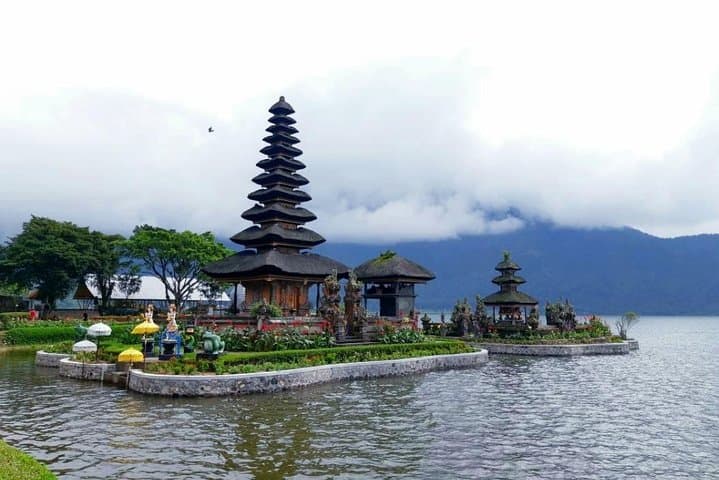
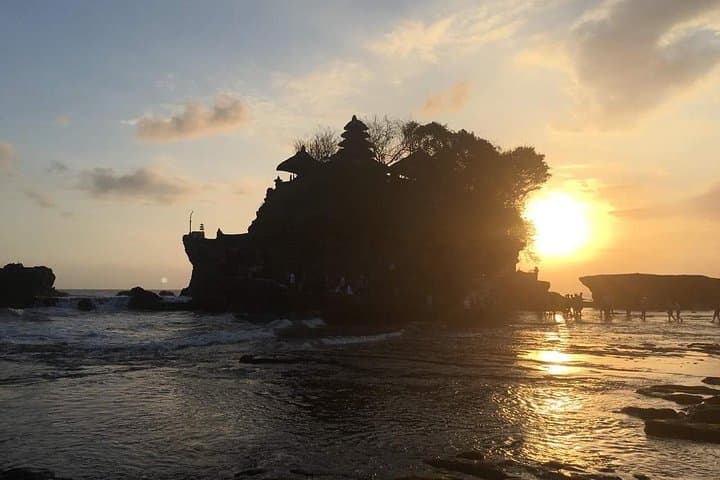
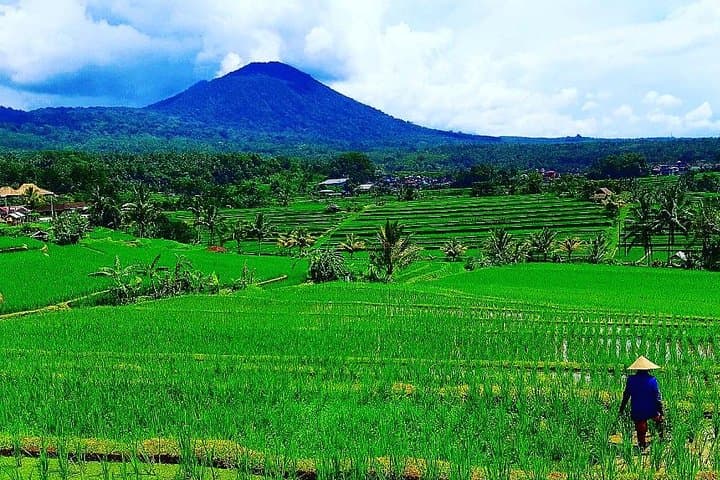
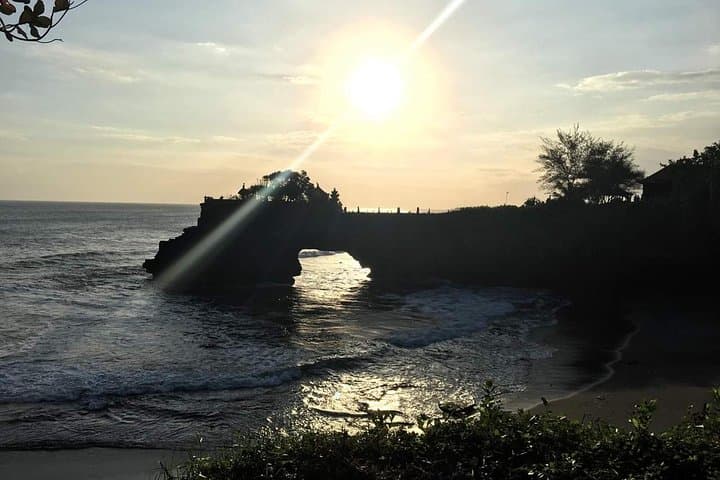
You step out of an air-conditioned van into a breeze that smells of wet earth and incense. Morning light slides across tiled meru roofs at Taman Ayun, then the road climbs past terraced fields where water channels hum and rice paddies catch the sky. By late afternoon the sea swallows the sun behind Tanah Lot, the temple’s silhouette holding the horizon.
Verified experiences and guided adventures in the surrounding area.
Operated by Joe's Bali Tours · Ubud, Bali
You step out of an air-conditioned van into a breeze that smells of wet earth and incense. Morning light slides across tiled meru roofs at Taman Ayun, then the road climbs past terraced fields where water channels hum and rice paddies catch the sky. By late afternoon the sea swallows the sun behind Tanah Lot, the temple’s silhouette holding the horizon.
These sites map centuries of Balinese history. Taman Ayun, founded in 1634, was the royal temple of Mengwi; Ulun Danu Beratan sits on a lake formed by volcanic lakes fed from Bali’s central highlands; Jatiluwih’s terraces follow ancient Subak irrigation practices—an agricultural system recognized by UNESCO. The temples blend Hindu ceremonial architecture with local stonework and lacquered wood, while the rice terraces show how geology and human care shape the land.
Expect ritual offerings, priests in sarong, and modest dress requirements—these are active sacred places. The pace is measured: short walks, photo stops, and a lakeside pause. The route covers paved roads and stair-steps at temple sites, with light walking up to a few hundred meters at each stop.
Practical guidance: wear sturdy sandals or low-profile hiking shoes, bring sun protection and a sarong or scarf for temple entry, and carry a refillable water bottle. Traffic between sites can add time—plan for a full day and accept pauses for worship or weather. Bring small bills for entrance fees and offerings, and keep cameras respectful during ceremonies. Leave no trace: dispose of waste in village bins and avoid stepping on irrigated terraces. This is a cultural, not a wilderness, adventure—rich in visual contrast and human history, paced for easy exploration.
easy.
6 hours.
Suitable for most fitness levels; involves short walks and stairs at temple sites
Yes—temples require modest dress; bring a sarong or scarf and cover shoulders. Some sites provide rentals but it’s quicker to bring your own.
The tour runs about 6 hours and includes private air-conditioned transport and lunch as part of the itinerary.
Yes—infants and small children can ride in a stroller, but expect steps and uneven surfaces at temple courtyards.
This is a private tour with pickup and drop-off; confirm your pickup point when booking and note any special requirements in advance.
The itinerary ties together royal and agrarian history—from Mengwi dynasty temples to the Subak cooperative rice system that shaped Bali’s social landscape.
Respect the Subak system by staying on marked paths and avoiding litter; many local communities manage visitors to balance tourism with rice cultivation.
Joe's Bali Tours operates guided outdoor trips and adventures with an emphasis on safety, stewardship, and memorable experiences.
You step out of an air-conditioned van into a breeze that smells of wet earth and incense. Morning light slides across tiled meru roofs at Taman Ayun, then the road climbs past terraced fields where water channels hum and rice paddies catch the sky. By late afternoon the sea swallows the sun behind Tanah Lot, the temple’s silhouette holding the horizon.
You step out of an air-conditioned van into a breeze that smells of wet earth and incense. Morning light slides across tiled meru roofs at Taman Ayun, then the road climbs past terraced fields where water channels hum and rice paddies catch the sky. By late afternoon the sea swallows the sun behind Tanah Lot, the temple’s silhouette holding the horizon.
These sites map centuries of Balinese history. Taman Ayun, founded in 1634, was the royal temple of Mengwi; Ulun Danu Beratan sits on a lake formed by volcanic lakes fed from Bali’s central highlands; Jatiluwih’s terraces follow ancient Subak irrigation practices—an agricultural system recognized by UNESCO. The temples blend Hindu ceremonial architecture with local stonework and lacquered wood, while the rice terraces show how geology and human care shape the land.
Expect ritual offerings, priests in sarong, and modest dress requirements—these are active sacred places. The pace is measured: short walks, photo stops, and a lakeside pause. The route covers paved roads and stair-steps at temple sites, with light walking up to a few hundred meters at each stop.
Practical guidance: wear sturdy sandals or low-profile hiking shoes, bring sun protection and a sarong or scarf for temple entry, and carry a refillable water bottle. Traffic between sites can add time—plan for a full day and accept pauses for worship or weather. Bring small bills for entrance fees and offerings, and keep cameras respectful during ceremonies. Leave no trace: dispose of waste in village bins and avoid stepping on irrigated terraces. This is a cultural, not a wilderness, adventure—rich in visual contrast and human history, paced for easy exploration.