THE ADVENTURE COLLECTIVE® · Independent discovery and booking for outdoor travel

Three days of island hopping, remote sandbars and nipa-hut beach camps—Balabac offers a raw, marine-focused escape south of Palawan. This private tour combines boat transfers, guided snorkels and simple accommodation for travelers seeking off-grid beaches and easy wildlife viewing.
Three days of island hopping, remote sandbars and nipa-hut beach camps—Balabac offers a raw, marine-focused escape south of Palawan. This private tour combines boat transfers, guided snorkels and simple accommodation for travelers seeking off-grid beaches and easy wildlife viewing.
You step off the ferry into a low, warm wind that pushes salt across the white sand—Balabac doesn’t ask for attention, it compels it. Over three days the islands unfold: powdery sandbars studded with starfish, shallow seagrass beds with giant clams, and tight mangrove mouths where crocodiles ghost along the mud at low tide.
Verified experiences and guided adventures in the surrounding area.
Operated by Natural Arts Travel and Tours · Balabac, Palawan
You step off the ferry into a low, warm wind that pushes salt across the white sand—Balabac doesn’t ask for attention, it compels it. Over three days the islands unfold: powdery sandbars studded with starfish, shallow seagrass beds with giant clams, and tight mangrove mouths where crocodiles ghost along the mud at low tide.
Geology here is blunt and simple: limestone outcrops, coral platforms and reefs dropping to deep channels carved by tides. Culturally, Balabac is a frontier of southern Palawan—small fishing communities, traditional nipa huts, and Malay-influenced cuisine that centers on fresh seafood and coconut. The islands once served as maritime waypoints between Borneo and Palawan; remnants of old trade routes remain in local oral histories.
Expect full days on pangas, quick swims off remote shores, short beach walks and evening campfires at a beach camp housed in native nipa-frame rooms. Wildlife is active around tidal edges—watch sea birds wheel at dawn and check shallow flats for starfish and clams by midday. Crocodile sightings are possible but distant and constrained to specific mangrove channels.
Practical guidance: pack reef-safe sunscreen, a personal snorkel set, a dry bag and sturdy water shoes. Bring cash—local vendors are limited—and a light rain shell for sudden tropical showers. Timing matters: aim for the dry window (November–May) for calmer seas and clearer water. Hydrate between boat hops and follow guides’ safety briefings; tides and currents dictate landing times. This tour balances remote island wonder with straightforward logistics—an accessible, immersive slice of southern Palawan.
moderate.
3 days.
Moderate fitness: comfortable with several short boat rides, beach walks, and snorkeling sessions
This tour includes round-trip transfers: an early van to Buliluyan Port and a boat transfer to the beach camp; expect long travel hours the first day.
Some operators supply basic snorkel sets, but bringing your own mask and fins usually delivers better comfort and fit.
Crocodile watching is possible at low tide in mangrove channels, but sightings are opportunistic; guides observe strict safety distances.
The drier months (roughly November to May) typically bring calmer seas and clearer water for snorkeling and boat transfers.
Balabac sits on historical maritime routes connecting Mindanao and Borneo; local communities retain seafaring traditions and Malay-influenced culture.
Coral reefs here are sensitive—practice no-touch snorkeling, avoid anchoring on reefs, and use reef-safe products to minimize impact.
Natural Arts Travel and Tours operates guided outdoor trips and adventures with an emphasis on safety, stewardship, and memorable experiences.
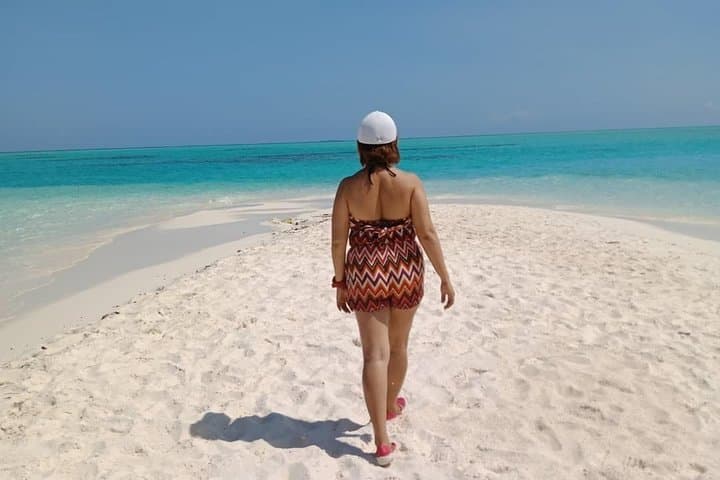
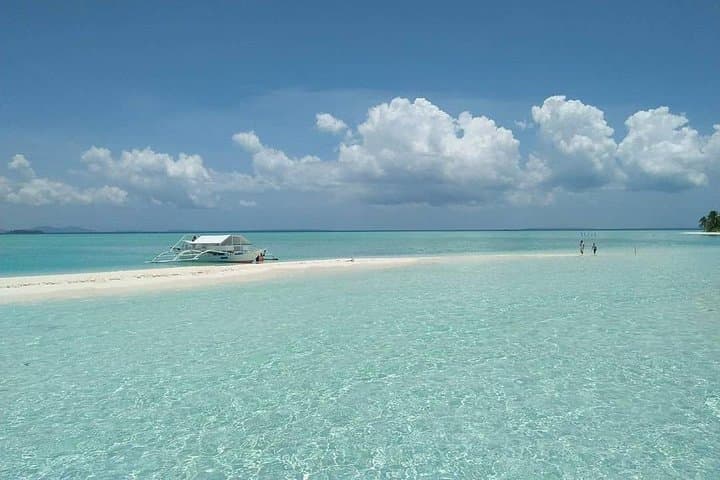
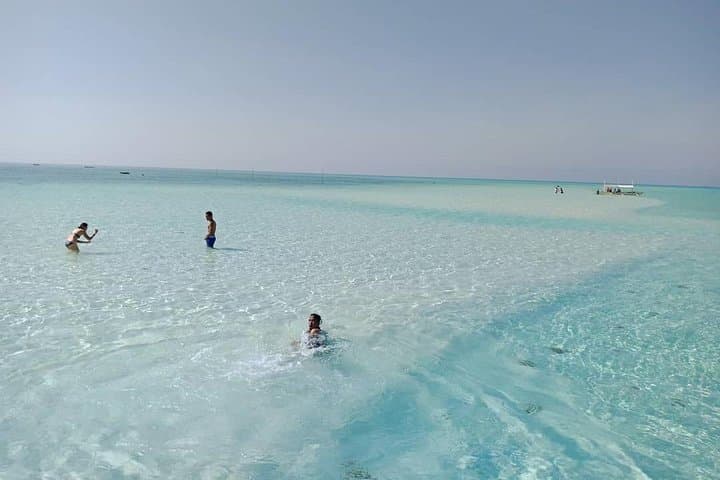

You step off the ferry into a low, warm wind that pushes salt across the white sand—Balabac doesn’t ask for attention, it compels it. Over three days the islands unfold: powdery sandbars studded with starfish, shallow seagrass beds with giant clams, and tight mangrove mouths where crocodiles ghost along the mud at low tide.
You step off the ferry into a low, warm wind that pushes salt across the white sand—Balabac doesn’t ask for attention, it compels it. Over three days the islands unfold: powdery sandbars studded with starfish, shallow seagrass beds with giant clams, and tight mangrove mouths where crocodiles ghost along the mud at low tide.
Geology here is blunt and simple: limestone outcrops, coral platforms and reefs dropping to deep channels carved by tides. Culturally, Balabac is a frontier of southern Palawan—small fishing communities, traditional nipa huts, and Malay-influenced cuisine that centers on fresh seafood and coconut. The islands once served as maritime waypoints between Borneo and Palawan; remnants of old trade routes remain in local oral histories.
Expect full days on pangas, quick swims off remote shores, short beach walks and evening campfires at a beach camp housed in native nipa-frame rooms. Wildlife is active around tidal edges—watch sea birds wheel at dawn and check shallow flats for starfish and clams by midday. Crocodile sightings are possible but distant and constrained to specific mangrove channels.
Practical guidance: pack reef-safe sunscreen, a personal snorkel set, a dry bag and sturdy water shoes. Bring cash—local vendors are limited—and a light rain shell for sudden tropical showers. Timing matters: aim for the dry window (November–May) for calmer seas and clearer water. Hydrate between boat hops and follow guides’ safety briefings; tides and currents dictate landing times. This tour balances remote island wonder with straightforward logistics—an accessible, immersive slice of southern Palawan.