THE ADVENTURE COLLECTIVE® · Independent discovery and booking for outdoor travel

A compact full-day route from Tbilisi that pairs Borjomi’s sour mineral springs with the family-friendly slopes of Bakuriani. Expect scenic drives, easy walks in thermal parks, and winter-sports options higher on the mountain.
A compact full-day route from Tbilisi that pairs Borjomi’s sour mineral springs with the family-friendly slopes of Bakuriani. Expect scenic drives, easy walks in thermal parks, and winter-sports options higher on the mountain.
White steam rises from a metal spout while a minibus hums through fir-forested passes — that’s the opening act on a day that moves from mineral springs to snowfields. From Tbilisi you roll west into a folded landscape where volcanic and sedimentary rocks meet, and the valley air sharpens around Borjomi’s river.
Verified experiences and guided adventures in the surrounding area.
Operated by Vitis Travel · Bakuriani, Samtskhe–Javakheti
White steam rises from a metal spout while a minibus hums through fir-forested passes — that’s the opening act on a day that moves from mineral springs to snowfields. From Tbilisi you roll west into a folded landscape where volcanic and sedimentary rocks meet, and the valley air sharpens around Borjomi’s river.
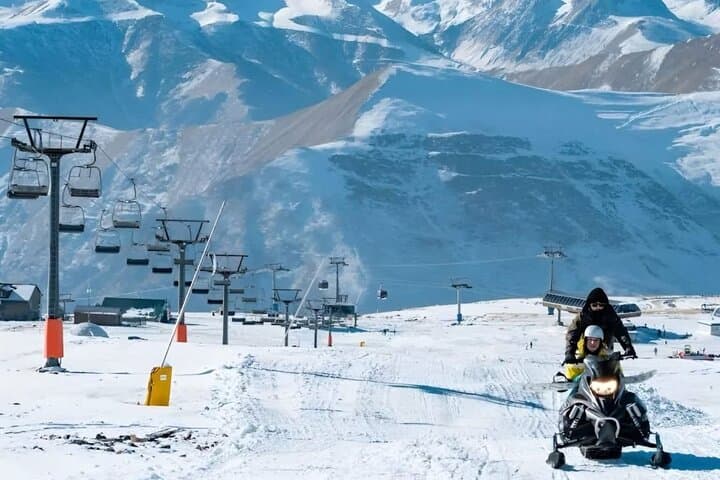
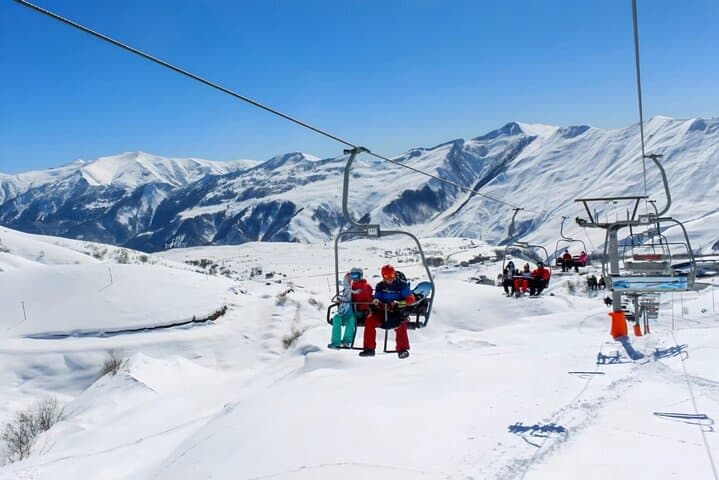
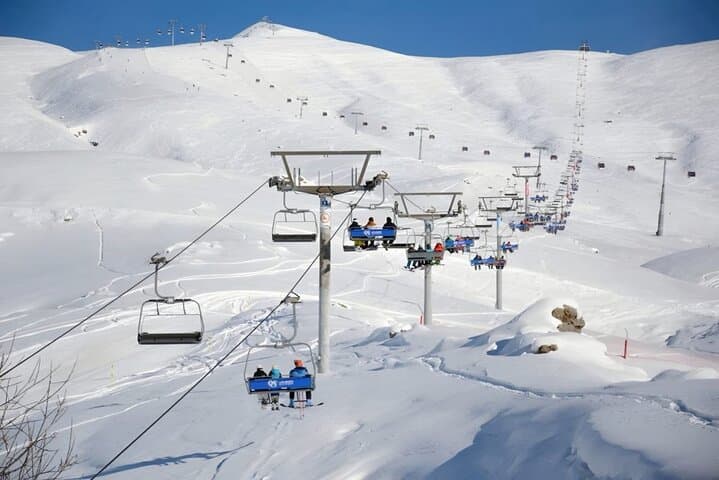
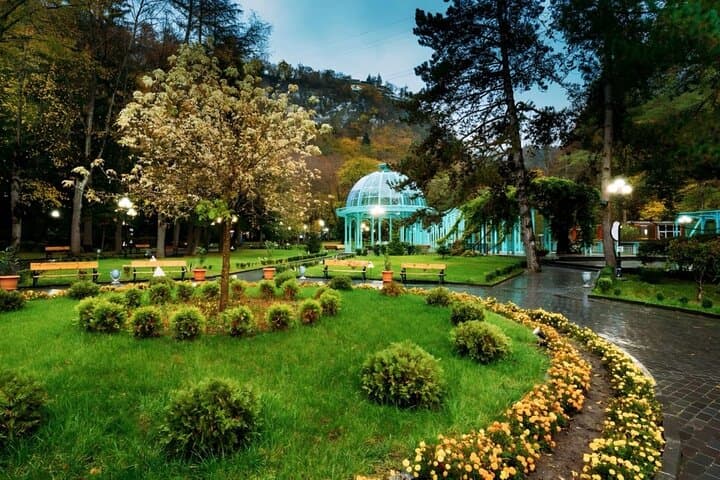
Borjomi’s springs have been bottled and bottled again since the 19th century, when spa culture under the Russian Empire put this place on the map; the town grew around parks and promenades. Geologically, the area channels groundwater through mineral-rich strata so the water has a distinct, tangy taste. Higher up, Bakuriani’s slopes sit at roughly 1,600–1,900 m, a legacy of uplifted Caucasus foothills that deliver reliable winter snow and terrain gentle enough for learners yet varied enough for intermediates.
Culturally, you’ll see Soviet-era ski huts beside new lodges and families moving between sled runs and thermal fountains. Local guides often point out the Borjomi-Kharagauli National Park ridgelines and explain sustainable use of the springs.
Practical guidance: this is a full 9‑hour day with roughly 2–3 hours each way of road travel, so pack layered outerwear, sturdy boots, and a refillable bottle. If you plan to ski, reserve rentals in advance; non-ski options include short hikes, horse rides, and tasting springs in the park. Expect cold, bright light at altitude — sunglasses and sunscreen help. Follow marked trails, respect designated spring taps, and allow time to savor both the fizz of the mineral water and the clean, exerting silence of the Bakuriani slopes.
easy.
9 hours.
Suitable for travelers with basic mobility; some short walks and optional skiing for more active guests
Yes — the itinerary includes time in Borjomi’s park, spring tasting, short walks, and optional activities in Bakuriani such as sledding or horse rides.
Standard tours typically do not include lift tickets or rental equipment; book rentals or passes in advance or ask the operator about add-ons.
Expect roughly 2–3 hours each way depending on traffic and road conditions; the full excursion is about nine hours total.
Yes — official taps in Borjomi Central Park provide drinkable mineral water, but avoid unofficial sources and rinse bottles before filling.
Borjomi became a noted spa town in the 19th century when imperial Russian visitors popularized its mineral waters; Bakuriani developed as a Soviet-era ski center.
Much of the area falls within Borjomi-Kharagauli National Park; stick to trails, avoid single-use plastics, and use official springs to reduce local impact.
Vitis Travel operates guided outdoor trips and adventures with an emphasis on safety, stewardship, and memorable experiences.
White steam rises from a metal spout while a minibus hums through fir-forested passes — that’s the opening act on a day that moves from mineral springs to snowfields. From Tbilisi you roll west into a folded landscape where volcanic and sedimentary rocks meet, and the valley air sharpens around Borjomi’s river.
White steam rises from a metal spout while a minibus hums through fir-forested passes — that’s the opening act on a day that moves from mineral springs to snowfields. From Tbilisi you roll west into a folded landscape where volcanic and sedimentary rocks meet, and the valley air sharpens around Borjomi’s river.
Borjomi’s springs have been bottled and bottled again since the 19th century, when spa culture under the Russian Empire put this place on the map; the town grew around parks and promenades. Geologically, the area channels groundwater through mineral-rich strata so the water has a distinct, tangy taste. Higher up, Bakuriani’s slopes sit at roughly 1,600–1,900 m, a legacy of uplifted Caucasus foothills that deliver reliable winter snow and terrain gentle enough for learners yet varied enough for intermediates.
Culturally, you’ll see Soviet-era ski huts beside new lodges and families moving between sled runs and thermal fountains. Local guides often point out the Borjomi-Kharagauli National Park ridgelines and explain sustainable use of the springs.
Practical guidance: this is a full 9‑hour day with roughly 2–3 hours each way of road travel, so pack layered outerwear, sturdy boots, and a refillable bottle. If you plan to ski, reserve rentals in advance; non-ski options include short hikes, horse rides, and tasting springs in the park. Expect cold, bright light at altitude — sunglasses and sunscreen help. Follow marked trails, respect designated spring taps, and allow time to savor both the fizz of the mineral water and the clean, exerting silence of the Bakuriani slopes.