THE ADVENTURE COLLECTIVE® · Independent discovery and booking for outdoor travel

Spend a day tracing waterfalls in Bajos del Toro and standing on the rim of Poás Volcano. This guided trek combines wet cloud-forest canyon walking with high-elevation volcanic views — ideal for hikers who want a concentrated taste of Costa Rica’s wild highlands.
Spend a day tracing waterfalls in Bajos del Toro and standing on the rim of Poás Volcano. This guided trek combines wet cloud-forest canyon walking with high-elevation volcanic views — ideal for hikers who want a concentrated taste of Costa Rica’s wild highlands.
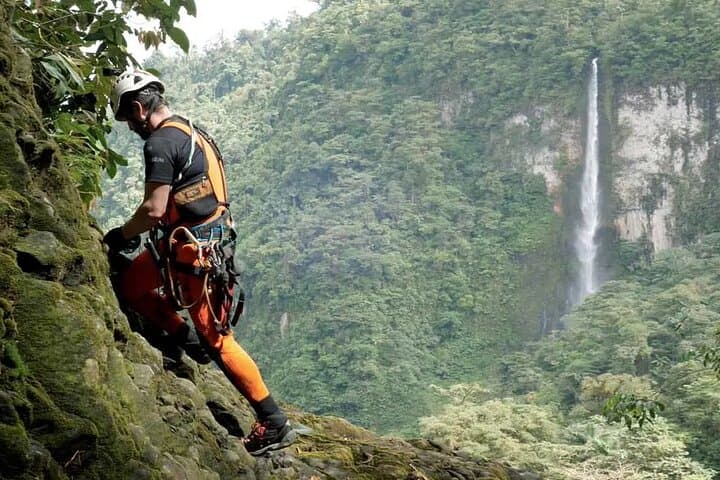
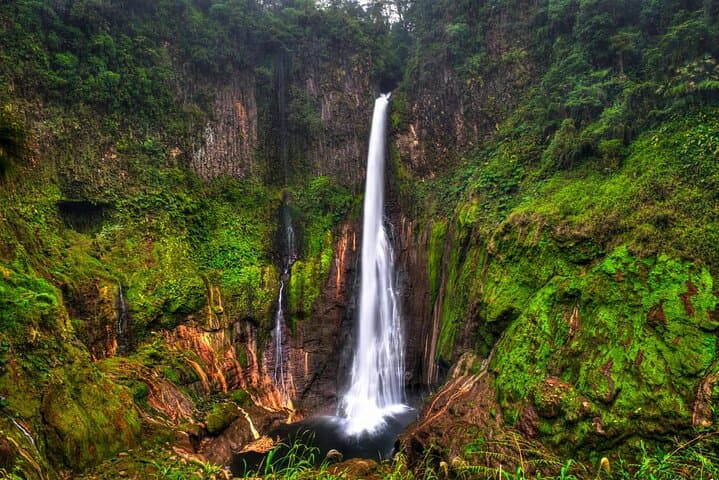
Dawn breaks through cloud forest and the first waterfall roars like an arrival bell — you push past moss-lined trunks and a ribbon of trail that threads toward plunging drops and volcanic rims.
Verified experiences and guided adventures in the surrounding area.
Operated by Costa Rica Pangaea Expedition · Bajos del Toro, Alajuela
Dawn breaks through cloud forest and the first waterfall roars like an arrival bell — you push past moss-lined trunks and a ribbon of trail that threads toward plunging drops and volcanic rims.
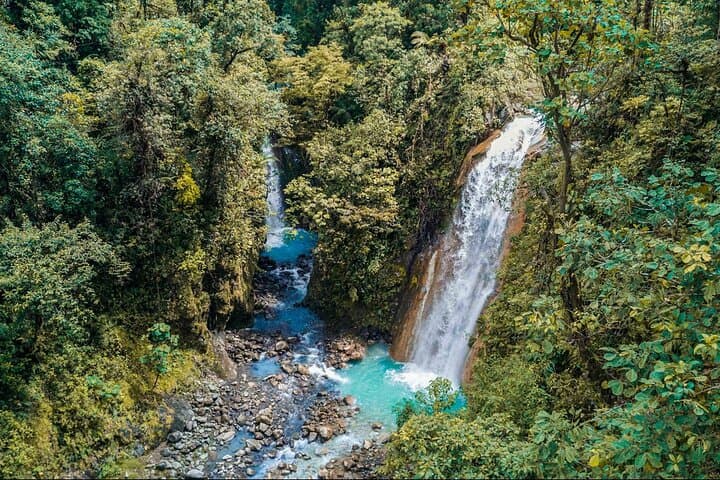
This full-day trek weaves two contrasting pieces of Costa Rica’s highland story: Bajos del Toro’s steep gullies carved into volcanic bedrock and the broader cone of Poás Volcano, a high stratovolcano whose acidic crater lake and fumaroles define Alajuela’s skyline. The valley’s microclimate produces thick cloud forest, abundant epiphytes and dozens of cascades that fall over basalt and andesitic rock — visitors often see water in vivid tones depending on suspended minerals and light.
Locals here still guide by memory: trails follow old cattle tracks and indigenous footpaths, and small hamlets around Bajos del Toro keep traditional coffee and dairy practices. Geologically, the area is young and active; Poás sits at about 2,700 m and creates the rain gradient that feeds the falls below.
Expect 8 hours in the field, walking uneven, often wet terrain, short stair sections, and viewpoints that reward the climb. Bring sturdy waterproof hiking shoes, a breathable rain jacket, layered clothing for 1,200–2,700 m elevation shifts, and a refillable water bottle. Start early for clearer crater views and lower cloud. Guides on local, private tours can show hidden cascades off the main path and tailor the day for photographers or moderate hikers.
This is a day that alternates between the hush of jungle canyons and the raw outline of volcanic edge — practical planning keeps the wonder in focus.
moderate.
8 hours.
Moderate fitness: comfortable walking 6–10 km on uneven, wet trails with some elevation change.
The tour is a full-day experience (about 8 hours) with moderate walking on uneven, often wet terrain; expect several short climbs and stair sections but no technical scrambling.
Local guides are recommended: they know the best cascades, safer trails, and current conditions — plus many waterfall access points are on private or managed land requiring permission.
Layered clothing, waterproof outerwear, and good shoes are essential; temperatures vary with elevation and sudden rain is common year-round due to the cloud forest microclimate.
No — Poás frequently fills with plume and cloud; mornings during the drier months offer the best chance for crater visibility, but visibility cannot be guaranteed.
The valley routes follow old agricultural tracks and local knowledge passed through generations; land use shifted from cattle and small-scale farming to eco-tourism over recent decades.
Trails pass through sensitive cloud forest and headwater drainages; stay on marked paths, pack out waste, and support guides who employ low-impact practices to protect waterfalls and springs.
Costa Rica Pangaea Expedition operates guided outdoor trips and adventures with an emphasis on safety, stewardship, and memorable experiences.

Dawn breaks through cloud forest and the first waterfall roars like an arrival bell — you push past moss-lined trunks and a ribbon of trail that threads toward plunging drops and volcanic rims.
Dawn breaks through cloud forest and the first waterfall roars like an arrival bell — you push past moss-lined trunks and a ribbon of trail that threads toward plunging drops and volcanic rims.
This full-day trek weaves two contrasting pieces of Costa Rica’s highland story: Bajos del Toro’s steep gullies carved into volcanic bedrock and the broader cone of Poás Volcano, a high stratovolcano whose acidic crater lake and fumaroles define Alajuela’s skyline. The valley’s microclimate produces thick cloud forest, abundant epiphytes and dozens of cascades that fall over basalt and andesitic rock — visitors often see water in vivid tones depending on suspended minerals and light.
Locals here still guide by memory: trails follow old cattle tracks and indigenous footpaths, and small hamlets around Bajos del Toro keep traditional coffee and dairy practices. Geologically, the area is young and active; Poás sits at about 2,700 m and creates the rain gradient that feeds the falls below.
Expect 8 hours in the field, walking uneven, often wet terrain, short stair sections, and viewpoints that reward the climb. Bring sturdy waterproof hiking shoes, a breathable rain jacket, layered clothing for 1,200–2,700 m elevation shifts, and a refillable water bottle. Start early for clearer crater views and lower cloud. Guides on local, private tours can show hidden cascades off the main path and tailor the day for photographers or moderate hikers.
This is a day that alternates between the hush of jungle canyons and the raw outline of volcanic edge — practical planning keeps the wonder in focus.