THE ADVENTURE COLLECTIVE® · Independent discovery and booking for outdoor travel

A single day that links Vietnam’s largest pagoda, cavernous boat passages and a panoramic peak — this Ninh Binh tour combines culture, karst geology and easy trekking. Expect long views, short climbs and calm, rowed waterways.
A single day that links Vietnam’s largest pagoda, cavernous boat passages and a panoramic peak — this Ninh Binh tour combines culture, karst geology and easy trekking. Expect long views, short climbs and calm, rowed waterways.
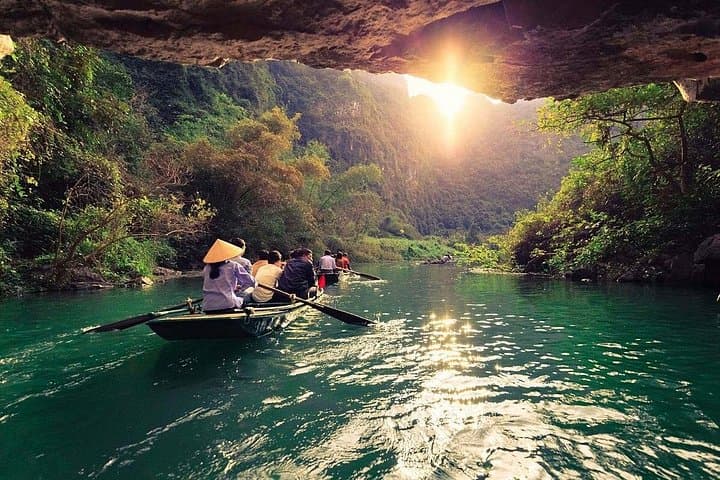
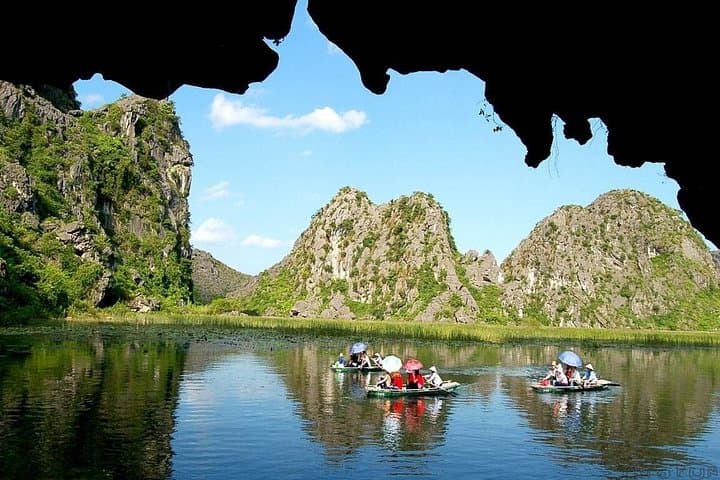
You arrive on a cool morning bus from Hanoi and the low karst ridges begin to stitch the horizon — rice paddies, water buffalo, and limestone towers that push upward like weathered teeth. The tour moves through three distinct moods: the monumental order of Bai Dinh Pagoda, the slow, cavernous boat passages of Trang An, and the steep, step‑studded climb up Mua Cave for a wide-angle view of Tam Coc valley.
Verified experiences and guided adventures in the surrounding area.
Operated by Vietnam Real Tour · Ninh Binh, Ninh Binh Province
You arrive on a cool morning bus from Hanoi and the low karst ridges begin to stitch the horizon — rice paddies, water buffalo, and limestone towers that push upward like weathered teeth. The tour moves through three distinct moods: the monumental order of Bai Dinh Pagoda, the slow, cavernous boat passages of Trang An, and the steep, step‑studded climb up Mua Cave for a wide-angle view of Tam Coc valley.
Bai Dinh is modern scale applied to centuries of Vietnamese Buddhist architecture: massive bronze statues, enormous bells and rows of stone arhats that reflect a recent wave of religious patronage. Geologically, Trang An sits on a drowned karst plateau where subterranean rivers have carved long caves and narrow grottoes through soluble limestone — passages that a traditional sampan threads like a needle. Mua Cave’s stairway, modeled after a defensive ramp, pays practical homage to vantage and surveillance, giving clear views of rice‑field geometry and the human rhythms of harvest.
Practically, expect easy walking but repeated short climbs and up to ~500 concrete steps at Mua. The boat section is tranquil but requires sitting low and steady; guides handle the rowing. Carry sun protection, a light rain layer in summer, and comfortable shoes with grip for wet steps. Timing matters: mid‑afternoon light softens the limestone, while morning mist can veil valley views. The day is sociable, culturally rich and physically accessible — a compact introduction to Ninh Binh’s mix of sacred architecture, karst geology and agrarian life.
easy.
12 hours.
Suitable for most fitness levels; able to manage multiple short climbs and up to 500 steps at Mua Cave.
Yes — hotel pickup from Hanoi Old Quarter is included; return drop‑off to central Hanoi is provided at tour end.
The tour includes visits and services listed such as the rowing boat in Trang An and electric car transfers inside Bai Dinh as described in the itinerary.
Walking is mostly easy with brief periods of climbing: expect a 500‑step ascent at Mua Cave and short walks around the pagoda and boat terminals.
Generally yes — the tour is rated easy; however the Mua Cave stairs may be challenging for limited mobility and children should be supervised on boats and steps.
The area around Ninh Binh was the site of Vietnam’s 10th‑century Hoa Lu capital; Bai Dinh is a recent large Buddhist complex built to celebrate and continue regional religious practice.
Trang An is part of a mixed‑use UNESCO landscape — stick to boat lanes, avoid littering and support local guides who follow site limits to protect caves and freshwater habitats.
Vietnam Real Tour operates guided outdoor trips and adventures with an emphasis on safety, stewardship, and memorable experiences.


You arrive on a cool morning bus from Hanoi and the low karst ridges begin to stitch the horizon — rice paddies, water buffalo, and limestone towers that push upward like weathered teeth. The tour moves through three distinct moods: the monumental order of Bai Dinh Pagoda, the slow, cavernous boat passages of Trang An, and the steep, step‑studded climb up Mua Cave for a wide-angle view of Tam Coc valley.
You arrive on a cool morning bus from Hanoi and the low karst ridges begin to stitch the horizon — rice paddies, water buffalo, and limestone towers that push upward like weathered teeth. The tour moves through three distinct moods: the monumental order of Bai Dinh Pagoda, the slow, cavernous boat passages of Trang An, and the steep, step‑studded climb up Mua Cave for a wide-angle view of Tam Coc valley.
Bai Dinh is modern scale applied to centuries of Vietnamese Buddhist architecture: massive bronze statues, enormous bells and rows of stone arhats that reflect a recent wave of religious patronage. Geologically, Trang An sits on a drowned karst plateau where subterranean rivers have carved long caves and narrow grottoes through soluble limestone — passages that a traditional sampan threads like a needle. Mua Cave’s stairway, modeled after a defensive ramp, pays practical homage to vantage and surveillance, giving clear views of rice‑field geometry and the human rhythms of harvest.
Practically, expect easy walking but repeated short climbs and up to ~500 concrete steps at Mua. The boat section is tranquil but requires sitting low and steady; guides handle the rowing. Carry sun protection, a light rain layer in summer, and comfortable shoes with grip for wet steps. Timing matters: mid‑afternoon light softens the limestone, while morning mist can veil valley views. The day is sociable, culturally rich and physically accessible — a compact introduction to Ninh Binh’s mix of sacred architecture, karst geology and agrarian life.