THE ADVENTURE COLLECTIVE® · Independent discovery and booking for outdoor travel

Spend a day crossing Ninh Binh’s dramatic karst valleys: climb Hang Mua for sweeping rice-paddy views, explore the monumental Bai Dinh Pagoda, then glide through Trang An’s cave waterways. This practical guide explains what to expect and how to prepare.
Spend a day crossing Ninh Binh’s dramatic karst valleys: climb Hang Mua for sweeping rice-paddy views, explore the monumental Bai Dinh Pagoda, then glide through Trang An’s cave waterways. This practical guide explains what to expect and how to prepare.
You step off a limousine van into a wide floodplain where limestone towers pierce the sky and a wooden boat waits like a quiet promise. The morning air tastes of river silt and cut grass as oars whisper through narrow cave mouths and rice paddies fan out beneath a panoramic ridge.
Verified experiences and guided adventures in the surrounding area.
Operated by Authentic Hanoi Homestay & Travel · Ninh Binh, Ninh Binh
You step off a limousine van into a wide floodplain where limestone towers pierce the sky and a wooden boat waits like a quiet promise. The morning air tastes of river silt and cut grass as oars whisper through narrow cave mouths and rice paddies fan out beneath a panoramic ridge.
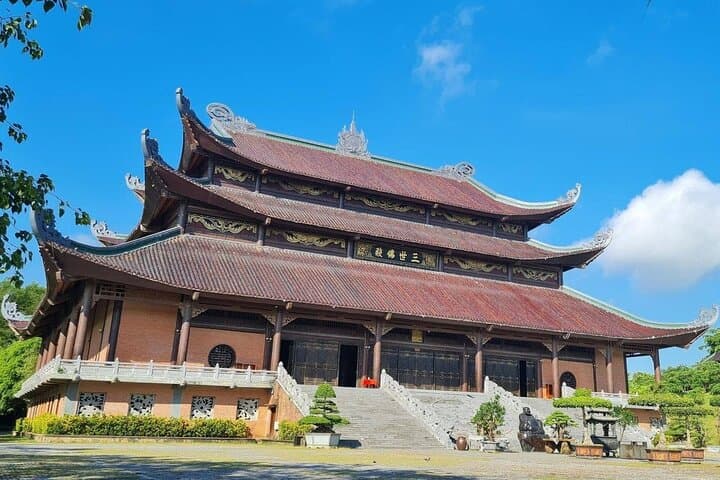
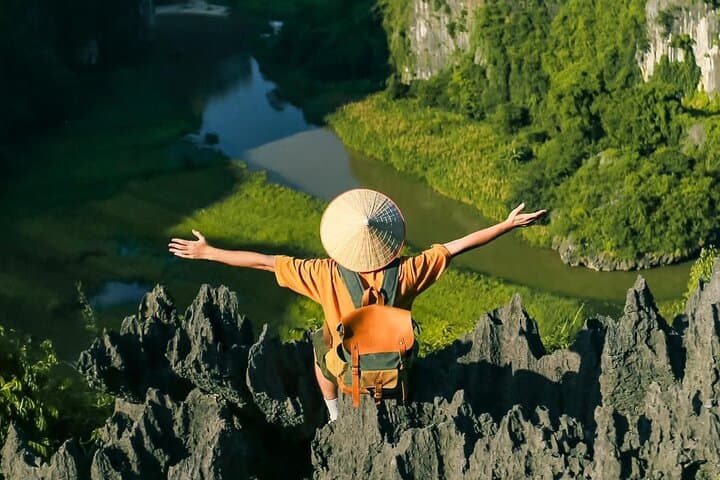
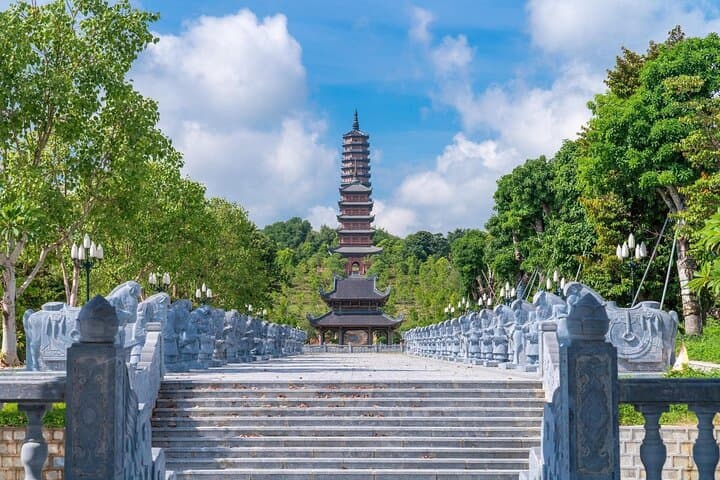
This route stitches together distinct layers of Ninh Binh: Trang An’s UNESCO-listed karst-water system sculpted over millennia, the colossal modern complex of Bai Dinh Pagoda that crowns Dinh Mountain’s foothills, and the steep stairway to Hang Mua’s summit overlooking a checkerboard of fields. The karst here is young in geological terms—limestone folded and worn into caves and tunnels that channel seasonal floods and create the region’s famous boat routes.
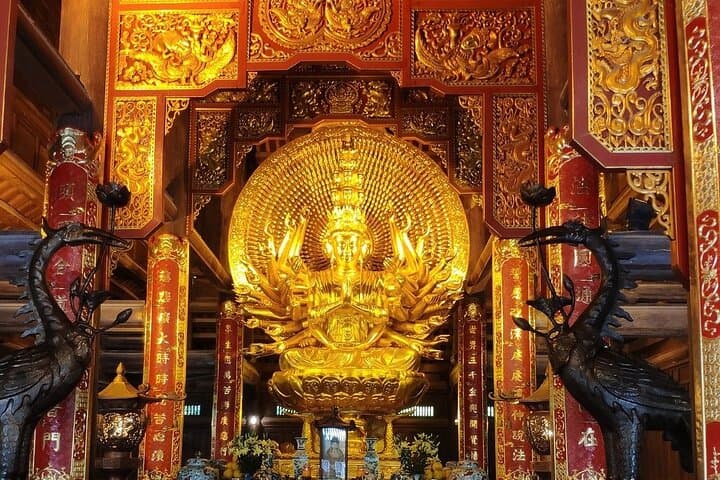
Culturally, Bai Dinh mixes contemporary pilgrimage with traditional Buddhist motifs—look for the thousand-armed Quan Yin and the massive bronze bells—while Trang An preserves an older relationship between people and waterways used for transport and rice cultivation since the Hoa Lu era.
Practically, expect an efficient full-day rhythm: pick-up in Tam Coc or Ninh Binh, a 45–60 minute climb at Hang Mua (roughly 500 steps), a guided pagoda visit with electric-cart access, and a 90–180 minute seated rowing boat through cave passages at Trang An. Wear grippy shoes, bring sun protection and a refillable water bottle, and leave enough time for modest dress at religious sites. Small-group logistics mean less waiting, but be prepared for narrow boats and brief tunnel stoops. Arrive early for cooler climbs and softer light on the rice fields.
moderate.
8 hours.
Suitable for travelers in average fitness—able to climb ~500 steps and sit in small boats for up to 2–3 hours.
The climb involves roughly 500 stone steps to the summit viewpoint—steady but achievable for most people with short breaks.
Yes — this tour’s inclusions list entrance fees and a Vietnamese lunch as part of the package.
Small rowing boats are generally safe for children when accompanied by adults; life jackets are usually provided but check with the operator for specifics.
Modest clothing is requested inside the pagoda; bring a lightweight cover-up to meet dress expectations.
The Trang An landscape overlays the ancient Hoa Lu kingdom and contains karst formations shaped over millions of years; Bai Dinh is a modern religious complex built to honor Vietnamese Buddhist traditions.
Electric carts and regulated boat routes help limit traffic at Bai Dinh and Trang An; visitors are encouraged to carry out litter and avoid disturbing wildlife.
Authentic Hanoi Homestay & Travel operates guided outdoor trips and adventures with an emphasis on safety, stewardship, and memorable experiences.
You step off a limousine van into a wide floodplain where limestone towers pierce the sky and a wooden boat waits like a quiet promise. The morning air tastes of river silt and cut grass as oars whisper through narrow cave mouths and rice paddies fan out beneath a panoramic ridge.
You step off a limousine van into a wide floodplain where limestone towers pierce the sky and a wooden boat waits like a quiet promise. The morning air tastes of river silt and cut grass as oars whisper through narrow cave mouths and rice paddies fan out beneath a panoramic ridge.
This route stitches together distinct layers of Ninh Binh: Trang An’s UNESCO-listed karst-water system sculpted over millennia, the colossal modern complex of Bai Dinh Pagoda that crowns Dinh Mountain’s foothills, and the steep stairway to Hang Mua’s summit overlooking a checkerboard of fields. The karst here is young in geological terms—limestone folded and worn into caves and tunnels that channel seasonal floods and create the region’s famous boat routes.
Culturally, Bai Dinh mixes contemporary pilgrimage with traditional Buddhist motifs—look for the thousand-armed Quan Yin and the massive bronze bells—while Trang An preserves an older relationship between people and waterways used for transport and rice cultivation since the Hoa Lu era.
Practically, expect an efficient full-day rhythm: pick-up in Tam Coc or Ninh Binh, a 45–60 minute climb at Hang Mua (roughly 500 steps), a guided pagoda visit with electric-cart access, and a 90–180 minute seated rowing boat through cave passages at Trang An. Wear grippy shoes, bring sun protection and a refillable water bottle, and leave enough time for modest dress at religious sites. Small-group logistics mean less waiting, but be prepared for narrow boats and brief tunnel stoops. Arrive early for cooler climbs and softer light on the rice fields.