THE ADVENTURE COLLECTIVE® · Independent discovery and booking for outdoor travel

Set out from Puerto Vallarta into Bahía de Banderas to watch humpback whales during their winter breeding season. This guided 4-hour cruise pairs expert narration with up-close sightings and light refreshments.
Set out from Puerto Vallarta into Bahía de Banderas to watch humpback whales during their winter breeding season. This guided 4-hour cruise pairs expert narration with up-close sightings and light refreshments.
The boat slips from Puerto Vallarta's harbor into the wide arc of Bahía de Banderas, salt air pushing at your face and a horizon that seems to hold its breath. Soon the water changes tone, darker and restless; guides train binoculars and voices point to spouts and the slow rotation of a fluking tail. That first sight — a mother and calf easing through the swell — rearranges how you measure distance and weight.
Verified experiences and guided adventures in the surrounding area.
Operated by GoPralia · Puerto Vallarta, Jalisco
The boat slips from Puerto Vallarta's harbor into the wide arc of Bahía de Banderas, salt air pushing at your face and a horizon that seems to hold its breath. Soon the water changes tone, darker and restless; guides train binoculars and voices point to spouts and the slow rotation of a fluking tail. That first sight — a mother and calf easing through the swell — rearranges how you measure distance and weight.
Bahía de Banderas has drawn migratory humpback whales for generations; geologically the deep bay is fed by tectonic shifts and river sediments that create warm, protected breeding grounds. Local fishing and tourism communities in Puerto Vallarta adapted around the annual migration, and many captains today operate with biologists on board to explain behavior and identification.
Expect informative narration about whale species, breeding behaviors, and how currents shape feeding and birthing sites. The ride crosses open water and often slows near floating kelp lines or rock outcrops where dolphins and seabirds gather. Guides will call out breaches and tail slaps; photographers trade tips on shutter speed and composition.
Practical notes: trips run ~4 hours with a continental breakfast and light deli lunch provided. Dress in layered clothing—mornings can be cool, midday sunny—and secure cameras and optics. If prone to seasickness, take preventive measures before boarding. Follow crew instructions for safety and maintain a respectful distance from animals; responsible operators cancel in poor weather and emphasize conservation. With modest fitness and curiosity, this expedition delivers an intimate, educational encounter with some of the ocean’s largest travelers.
easy.
4 hours.
Suitable for people who can board a small to medium boat and stand for short periods; minimal exertion required.
Peak whale season runs roughly December through March when humpbacks arrive to breed and calve in the bay’s warm waters.
Infants are allowed but must sit on an adult’s lap; operators often advise against bringing very young babies due to motion and exposure.
Most sightings are humpback whales; visitors may also see common dolphins, sea turtles, and a variety of seabirds.
Responsible operators cancel in poor weather for safety and offer full refunds if canceled 24+ hours before departure or due to bad conditions.
Local fishing communities have interacted with the bay for generations; the annual whale migration has shaped tourism and research practices since the mid-20th century.
Operators generally follow whale-watching guidelines—maintaining approach distances and minimizing engine noise—and tourism supports local marine conservation funding; avoid single-use plastics on tours.
GoPralia operates guided outdoor trips and adventures with an emphasis on safety, stewardship, and memorable experiences.
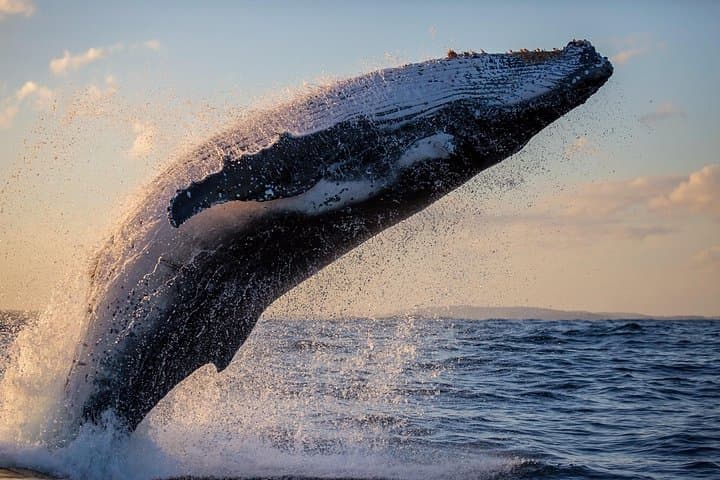
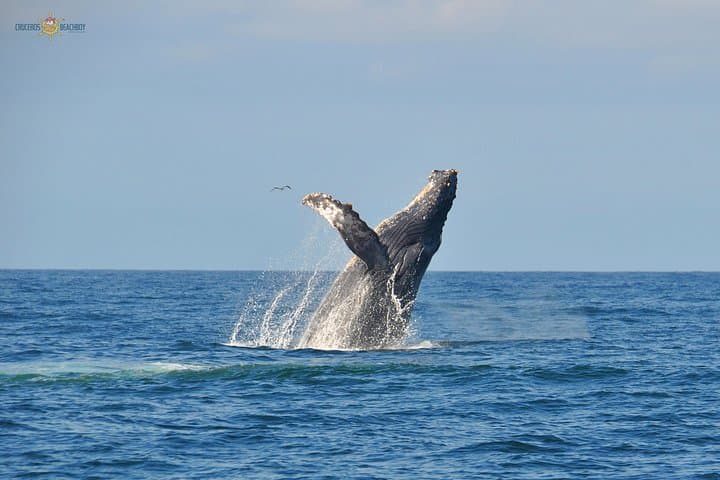
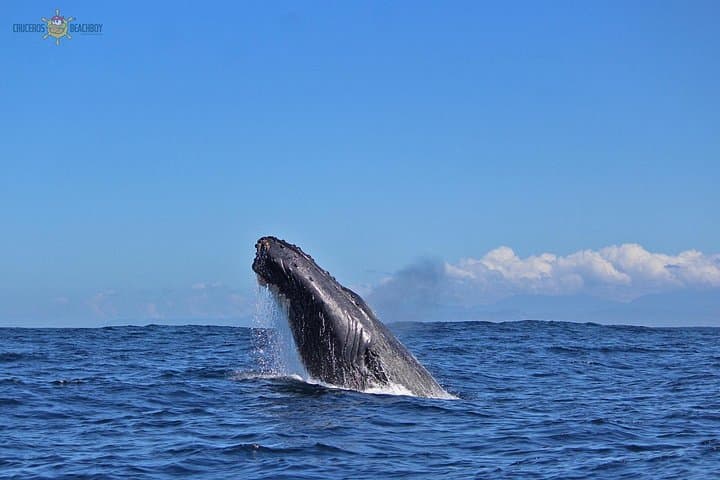
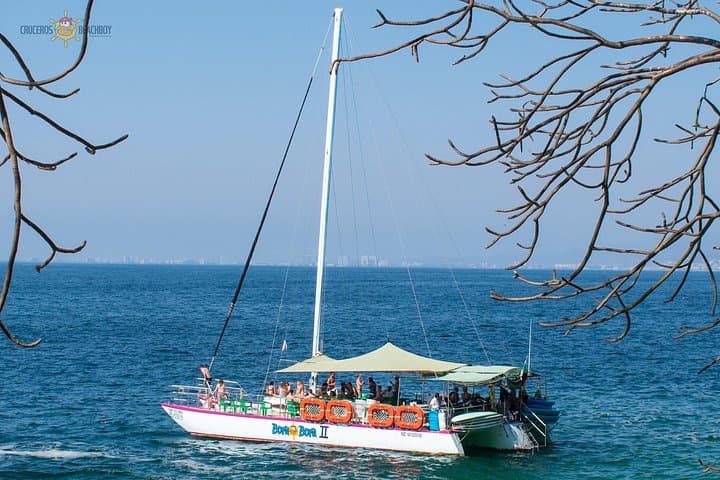
The boat slips from Puerto Vallarta's harbor into the wide arc of Bahía de Banderas, salt air pushing at your face and a horizon that seems to hold its breath. Soon the water changes tone, darker and restless; guides train binoculars and voices point to spouts and the slow rotation of a fluking tail. That first sight — a mother and calf easing through the swell — rearranges how you measure distance and weight.
The boat slips from Puerto Vallarta's harbor into the wide arc of Bahía de Banderas, salt air pushing at your face and a horizon that seems to hold its breath. Soon the water changes tone, darker and restless; guides train binoculars and voices point to spouts and the slow rotation of a fluking tail. That first sight — a mother and calf easing through the swell — rearranges how you measure distance and weight.
Bahía de Banderas has drawn migratory humpback whales for generations; geologically the deep bay is fed by tectonic shifts and river sediments that create warm, protected breeding grounds. Local fishing and tourism communities in Puerto Vallarta adapted around the annual migration, and many captains today operate with biologists on board to explain behavior and identification.
Expect informative narration about whale species, breeding behaviors, and how currents shape feeding and birthing sites. The ride crosses open water and often slows near floating kelp lines or rock outcrops where dolphins and seabirds gather. Guides will call out breaches and tail slaps; photographers trade tips on shutter speed and composition.
Practical notes: trips run ~4 hours with a continental breakfast and light deli lunch provided. Dress in layered clothing—mornings can be cool, midday sunny—and secure cameras and optics. If prone to seasickness, take preventive measures before boarding. Follow crew instructions for safety and maintain a respectful distance from animals; responsible operators cancel in poor weather and emphasize conservation. With modest fitness and curiosity, this expedition delivers an intimate, educational encounter with some of the ocean’s largest travelers.