THE ADVENTURE COLLECTIVE® · Independent discovery and booking for outdoor travel

Head offshore from Nassau for a four-hour private charter where clear water, reef drops and seasonal runs of wahoo and tuna promise both sight fishing and big-game action. Practical tips and seasonal timing help you choose the right trip.
Head offshore from Nassau for a four-hour private charter where clear water, reef drops and seasonal runs of wahoo and tuna promise both sight fishing and big-game action. Practical tips and seasonal timing help you choose the right trip.
The engine’s steady thrum and a spray of salt press against your cheeks as Nassau recedes into a blue horizon. The captain eases the 30–40 foot charter out past the harbor buoys and the water drops from aquamarine to ink—clear enough that, on a calm day, schools of silver fish flash beneath the surface before a line is even baited. This is deep-sea fishing in the Bahamas: sight-driven, fast, and precise.
Verified experiences and guided adventures in the surrounding area.
Operated by Mutton Fish Tours · Nassau, New Providence
The engine’s steady thrum and a spray of salt press against your cheeks as Nassau recedes into a blue horizon. The captain eases the 30–40 foot charter out past the harbor buoys and the water drops from aquamarine to ink—clear enough that, on a calm day, schools of silver fish flash beneath the surface before a line is even baited. This is deep-sea fishing in the Bahamas: sight-driven, fast, and precise.
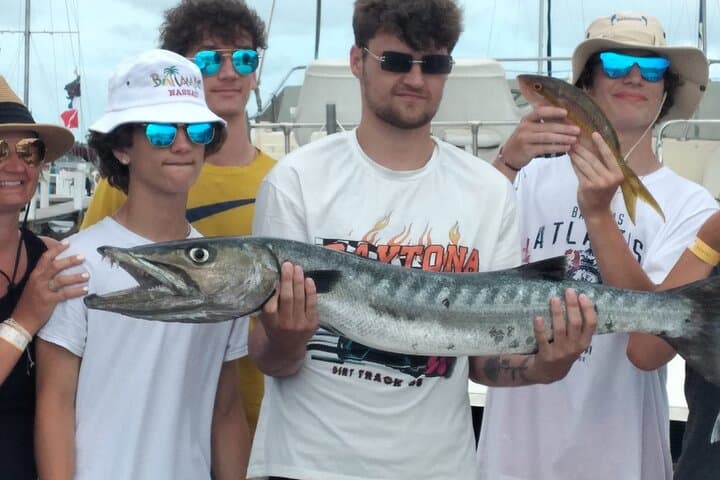
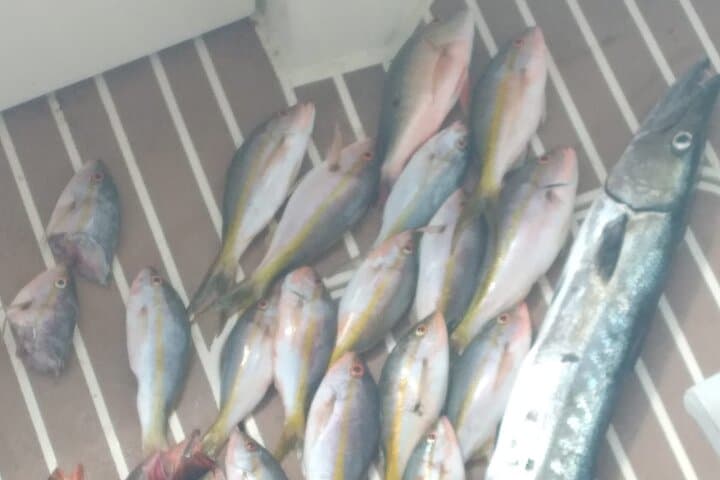
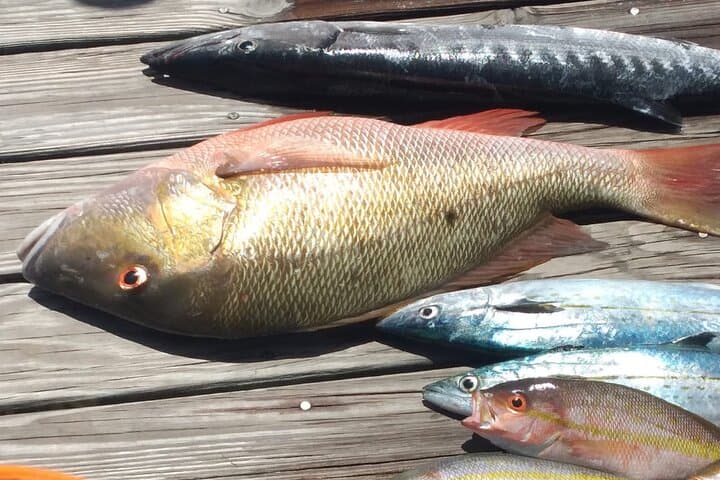
The islands sit on the edge of the Bahama Banks and the continental shelf, where warm Gulf Stream currents collide with steep drop-offs. That sharp change in depth concentrates bait and gamefish, which is why a few miles offshore turns up yellowtail and mutton snapper on the reef, while short drifts and trolling tackle the larger pelagics—Spanish mackerel, kingfish, and, seasonally, wahoo and tunas.
Fishing here follows a lineage of local seamanship. Indigenous Lucayans used small craft and local knowledge, and later, colonial and commercial boats brought techniques that evolved into today’s mixed methods—bottom-fishing for reef species and trolling for open-water hunters. Today’s charters balance sport and local economy: captains read currents the way guides read trails.
On a four-hour private charter from Nassau, expect a mix of tactics. Anchors and bottom rigs pull up grunts and porgies along reef ledges; slow trolling near reef edges brings snappers and Spanish mackerel; and, from October through February, outfits push farther to run the shelf for wahoo at 10–11 knots. August is prime for blackfin and yellowfin tuna and skipjack, and many captains practice catch-and-release for blue marlin when encountered.
Practicalities matter: wear polarized sunglasses to spot fish, bring sun protection (the sun is unrelenting on the water), and plan for motion-sickness remedies if you’re prone—four hours offshore translates to steady movement. Most charters supply rods, life jackets, bottled water and basic snacks; confirm restroom access before you board. Pickup is available at major downtown hotels and the cruise port, typically an hour before departure.
For first-timers, keep expectations realistic: a mix of reef catches and surface action makes the trip diverse, but the big-game window is seasonal and weather-dependent. Bring a camera with fast shutter speed and a dry bag, and be ready to hand the line to a crew that will coach your hookset and fight technique.
Whether you come for the snapper that grills easily back on shore or the sudden, blistering run of a pelagic on the line, Bahamas deep-sea fishing is direct—an active day on open water where the ocean’s moods and the captain’s read of current decide the story.
moderate.
4 hours.
Moderate fitness—able to stand, brace and reel for short bursts; no special training required.
No—licenses are handled by the charter operator for recreational trips departing from Nassau; confirm with your provider but most include required permits.
Yes; standard rods, reels and bait are provided for reef and trolling setups—bring personal tackle only if you have specific gear preferences.
Wahoo is most commonly targeted from October through February when charters run the continental shelf at trolling speeds of about 10–11 knots.
Basic refreshments like bottled water, soda and coffee are typically included; check whether the operator offers a full snack or meal service for longer trips.
Families are welcome; specialized infant seats are available on many boats, but check age limits and safety rules with the operator beforehand.
Trips can be choppy—bring motion-sickness meds, wear non-slip shoes, and ask about restroom availability before you board.
Nassau grew from Lucayan settlements into a strategic colonial port; fishing is woven into local livelihoods and the island’s maritime culture.
Many local operators follow catch limits and practice catch-and-release for marlin; reef-friendly tackle and responsible baiting reduce pressure on sensitive reef habitats.
Mutton Fish Tours operates guided outdoor trips and adventures with an emphasis on safety, stewardship, and memorable experiences.
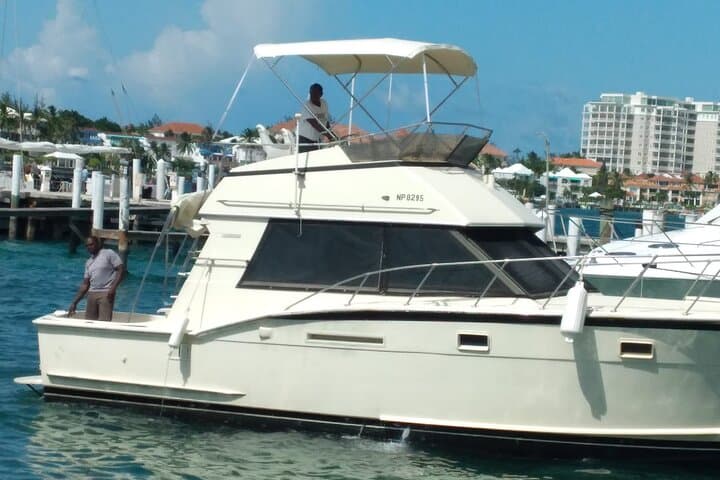
The engine’s steady thrum and a spray of salt press against your cheeks as Nassau recedes into a blue horizon. The captain eases the 30–40 foot charter out past the harbor buoys and the water drops from aquamarine to ink—clear enough that, on a calm day, schools of silver fish flash beneath the surface before a line is even baited. This is deep-sea fishing in the Bahamas: sight-driven, fast, and precise.
The engine’s steady thrum and a spray of salt press against your cheeks as Nassau recedes into a blue horizon. The captain eases the 30–40 foot charter out past the harbor buoys and the water drops from aquamarine to ink—clear enough that, on a calm day, schools of silver fish flash beneath the surface before a line is even baited. This is deep-sea fishing in the Bahamas: sight-driven, fast, and precise.
The islands sit on the edge of the Bahama Banks and the continental shelf, where warm Gulf Stream currents collide with steep drop-offs. That sharp change in depth concentrates bait and gamefish, which is why a few miles offshore turns up yellowtail and mutton snapper on the reef, while short drifts and trolling tackle the larger pelagics—Spanish mackerel, kingfish, and, seasonally, wahoo and tunas.
Fishing here follows a lineage of local seamanship. Indigenous Lucayans used small craft and local knowledge, and later, colonial and commercial boats brought techniques that evolved into today’s mixed methods—bottom-fishing for reef species and trolling for open-water hunters. Today’s charters balance sport and local economy: captains read currents the way guides read trails.
On a four-hour private charter from Nassau, expect a mix of tactics. Anchors and bottom rigs pull up grunts and porgies along reef ledges; slow trolling near reef edges brings snappers and Spanish mackerel; and, from October through February, outfits push farther to run the shelf for wahoo at 10–11 knots. August is prime for blackfin and yellowfin tuna and skipjack, and many captains practice catch-and-release for blue marlin when encountered.
Practicalities matter: wear polarized sunglasses to spot fish, bring sun protection (the sun is unrelenting on the water), and plan for motion-sickness remedies if you’re prone—four hours offshore translates to steady movement. Most charters supply rods, life jackets, bottled water and basic snacks; confirm restroom access before you board. Pickup is available at major downtown hotels and the cruise port, typically an hour before departure.
For first-timers, keep expectations realistic: a mix of reef catches and surface action makes the trip diverse, but the big-game window is seasonal and weather-dependent. Bring a camera with fast shutter speed and a dry bag, and be ready to hand the line to a crew that will coach your hookset and fight technique.
Whether you come for the snapper that grills easily back on shore or the sudden, blistering run of a pelagic on the line, Bahamas deep-sea fishing is direct—an active day on open water where the ocean’s moods and the captain’s read of current decide the story.