THE ADVENTURE COLLECTIVE® · Independent discovery and booking for outdoor travel

Skip the main roads and pedal narrow lanes where temple spires puncture the horizon. This cycling tour threads Bagan’s irrigation canals, peanut mills, and off-grid villages for an authentic day among temples and rural life.
Skip the main roads and pedal narrow lanes where temple spires puncture the horizon. This cycling tour threads Bagan’s irrigation canals, peanut mills, and off-grid villages for an authentic day among temples and rural life.
You start before dawn, tires whispering over sandy lanes as temple silhouettes sharpen against the pale sky. Pedaling out from the cluster of pagodas, irrigation canals cut straight lines through the plain, and small farmsteads come into view — women tending peanut presses, children watching a stranger on a bicycle with polite curiosity.
Verified experiences and guided adventures in the surrounding area.
Operated by Bagan Explorer · Bagan, Mandalay Region
You start before dawn, tires whispering over sandy lanes as temple silhouettes sharpen against the pale sky. Pedaling out from the cluster of pagodas, irrigation canals cut straight lines through the plain, and small farmsteads come into view — women tending peanut presses, children watching a stranger on a bicycle with polite curiosity.
Bagan’s plains—formed by Irrawaddy floodplain alluvium—host thousands of brick stupas built mainly between the 11th and 13th centuries when the Bagan Kingdom centralized power and Buddhist practice. The tour routes thread narrow lanes inaccessible to vehicles, giving a close look at traditional rural life: sesame and peanut mills in Minnanthu, rice paddies sustained by century-old diversion channels, and eighteenth-century monasteries tucked beneath banyan trees.
Terrain is mostly flat with occasional sandy stretches and compacted dirt lanes; expect roughly 20–35 km of riding depending on stops. The ride emphasizes low-gradient endurance rather than technical climbing. Cultural etiquette matters: modest dress at temples, removing shoes indoors, and quiet respect near shrines.
Practical guidance: bring a well-fitted helmet (one is provided), at least 1.5–2 liters of water, sun protection, and light mechanical spares. Start early to avoid midday heat, aim for late afternoon for a remote sunset viewpoint, and pace yourself on soft sand. The experience balances steady pedaling with frequent culture stops—ideal for riders who want an active day of history, local encounters, and broad plains views without steep ascents.
moderate.
6–7 hours.
Good aerobic fitness for sustained pedaling over sandy and dirt tracks; able to ride intermittently for several hours.
Typical cycling is 4–5 hours covering 20–35 km on mostly flat terrain with sandy sections; it’s moderate endurance rather than technical.
Temple visits are generally arranged during the tour but entrance fees (where charged) are usually handled separately—confirm with the operator at booking.
Children can join if supervised; operators note children must be accompanied and the ride requires moderate fitness and bike competence.
Tours are subject to weather and may be rescheduled or offered alternative routes if rain makes tracks unsafe; confirm cancellation policy when booking.
Bagan was the political and religious center of a powerful kingdom between the 11th and 13th centuries; many brick stupas date to that era.
The archaeological zone is fragile—avoid climbing unrestored structures, stick to marked paths, and minimize plastic waste to reduce impact on local communities.
Bagan Explorer operates guided outdoor trips and adventures with an emphasis on safety, stewardship, and memorable experiences.
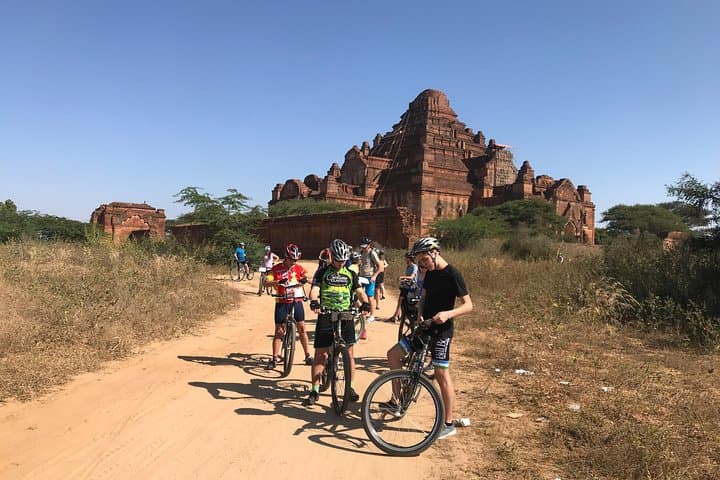
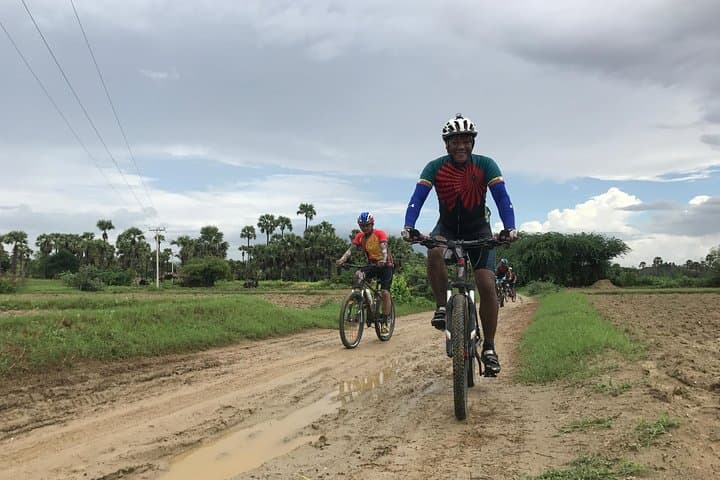
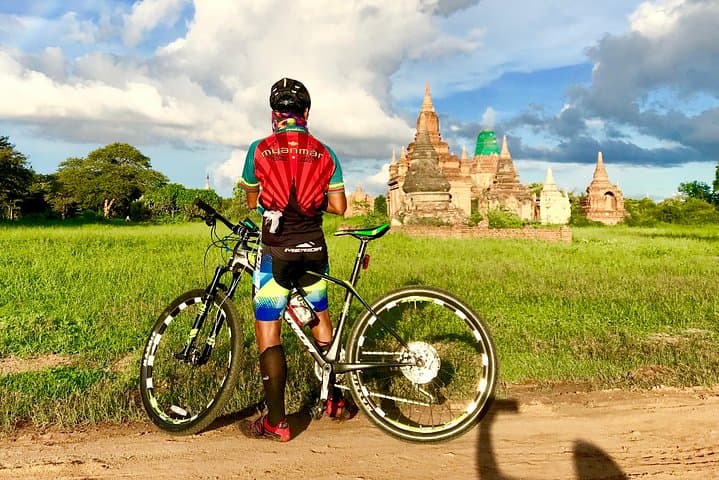
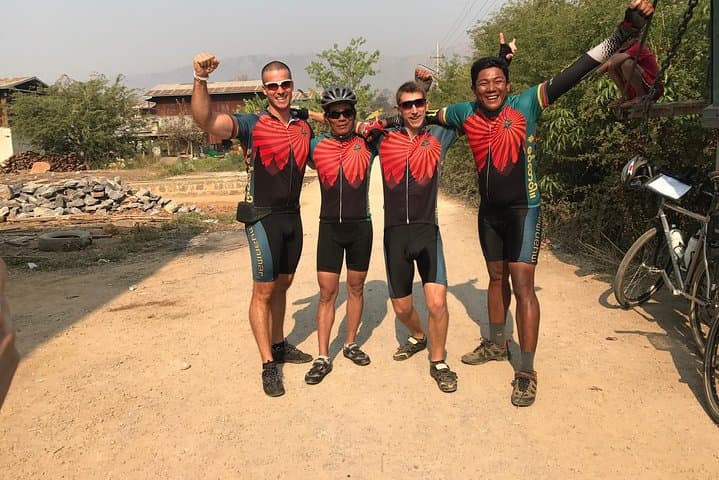
You start before dawn, tires whispering over sandy lanes as temple silhouettes sharpen against the pale sky. Pedaling out from the cluster of pagodas, irrigation canals cut straight lines through the plain, and small farmsteads come into view — women tending peanut presses, children watching a stranger on a bicycle with polite curiosity.
You start before dawn, tires whispering over sandy lanes as temple silhouettes sharpen against the pale sky. Pedaling out from the cluster of pagodas, irrigation canals cut straight lines through the plain, and small farmsteads come into view — women tending peanut presses, children watching a stranger on a bicycle with polite curiosity.
Bagan’s plains—formed by Irrawaddy floodplain alluvium—host thousands of brick stupas built mainly between the 11th and 13th centuries when the Bagan Kingdom centralized power and Buddhist practice. The tour routes thread narrow lanes inaccessible to vehicles, giving a close look at traditional rural life: sesame and peanut mills in Minnanthu, rice paddies sustained by century-old diversion channels, and eighteenth-century monasteries tucked beneath banyan trees.
Terrain is mostly flat with occasional sandy stretches and compacted dirt lanes; expect roughly 20–35 km of riding depending on stops. The ride emphasizes low-gradient endurance rather than technical climbing. Cultural etiquette matters: modest dress at temples, removing shoes indoors, and quiet respect near shrines.
Practical guidance: bring a well-fitted helmet (one is provided), at least 1.5–2 liters of water, sun protection, and light mechanical spares. Start early to avoid midday heat, aim for late afternoon for a remote sunset viewpoint, and pace yourself on soft sand. The experience balances steady pedaling with frequent culture stops—ideal for riders who want an active day of history, local encounters, and broad plains views without steep ascents.