THE ADVENTURE COLLECTIVE® · Independent discovery and booking for outdoor travel

Explore Bagan beyond the postcards with an educational tour that blends temple visits, hands-on lacquerware workshops and village life. Expect guided cultural context, local craft demonstrations and practical tips to travel respectfully through this ancient landscape.
Explore Bagan beyond the postcards with an educational tour that blends temple visits, hands-on lacquerware workshops and village life. Expect guided cultural context, local craft demonstrations and practical tips to travel respectfully through this ancient landscape.
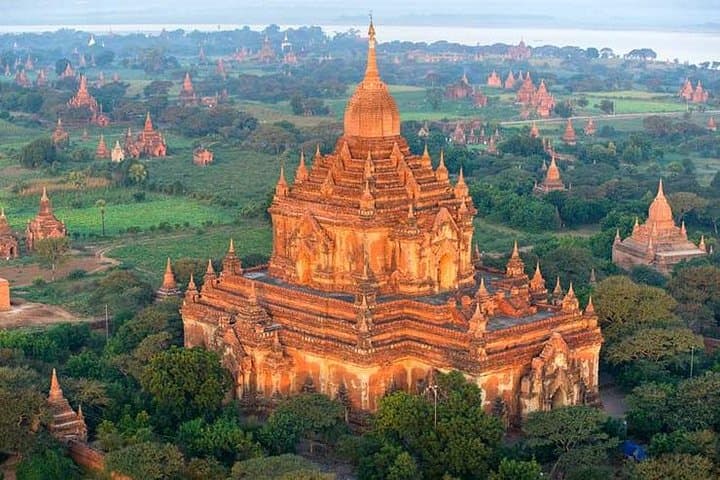
Dawn in Bagan arrives like a slow exhale: temple spires pierce a low mist, the plain warming under a rising sun while farmers herd water buffalo between brick ruins. An educational tour here stitches together those human rhythms with hands-on workshops and close-up time among pagodas, palm groves and village lanes.
Verified experiences and guided adventures in the surrounding area.
Operated by Marco Polo Green Travel · Nyaung-U, Mandalay Region
Dawn in Bagan arrives like a slow exhale: temple spires pierce a low mist, the plain warming under a rising sun while farmers herd water buffalo between brick ruins. An educational tour here stitches together those human rhythms with hands-on workshops and close-up time among pagodas, palm groves and village lanes.
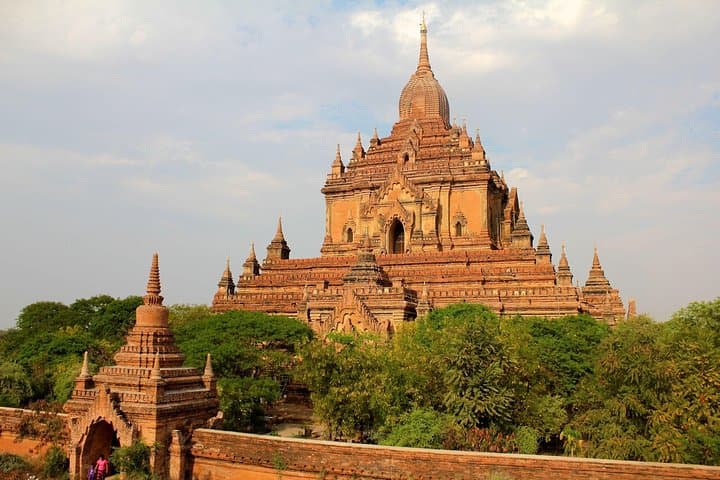
Historically, Bagan was the heart of the Pagan Kingdom (9th–13th centuries), its two thousand-plus stupas and temples built on the Ayeyarwady’s broad alluvial plain. Geologically the landscape is soft sediment shaped by river floods; the earthen ground and sun-baked bricks explain the warm ochre tones that define the site. Culturally the region remains alive: lacquerware studios, jaggery-making at palm farms and multilingual stone inscriptions (Pyu, Mon, Myanmar, Pali) reveal craftsmanship and continuity.
On this style of tour expect a mix of observation and participation—workshops on lacquerware, a cooking demo with farm-fresh ingredients, guided readings of wall inscriptions, and visits to active village workshops. Guides offer context on religious customs and local regulations and will remind you of respectful behavior at shrines.
Practical guidance: plan for intense sun and dusty tracks—start early or late afternoon for cooler light; modest clothing and covered shoulders are required at many temples. Carry cash for small purchases; many rural vendors are cash-only. Hydrate frequently, wear sturdy closed shoes for uneven temple steps, and give time to slow, observational learning rather than rushing from monument to monument. Travel here rewards patience: the place asks you to move at its pace and notice the small, living details between the stone walls.
easy.
8–12 hours.
Suitable for most fitness levels; involves walking on uneven temple steps and short village strolls.
Yes. Shoulders and knees should be covered at most religious sites; remove shoes before entering pagoda platforms or shrine rooms.
Some transportation and main areas are accessible, but many temple complexes have steps and uneven ground; check specific accessibility needs with the operator in advance.
Yes — small vendors, workshops and local donations often require cash (Myanmar kyat); ATMs are available in Nyaung-U but carry small notes.
Guides commonly speak English and may offer local-language insights; confirm language needs at booking for specialized interpretation.
Bagan served as the capital of the Pagan Kingdom from the 9th to 13th centuries and is one of Southeast Asia’s most concentrated archaeological zones, reflecting centuries of Buddhist patronage.
Tourism pressure and riverine erosion affect fragile brick temples; follow guidance on where to walk, avoid climbing restricted structures, and support local conservation-minded businesses.
Marco Polo Green Travel operates guided outdoor trips and adventures with an emphasis on safety, stewardship, and memorable experiences.
Dawn in Bagan arrives like a slow exhale: temple spires pierce a low mist, the plain warming under a rising sun while farmers herd water buffalo between brick ruins. An educational tour here stitches together those human rhythms with hands-on workshops and close-up time among pagodas, palm groves and village lanes.
Dawn in Bagan arrives like a slow exhale: temple spires pierce a low mist, the plain warming under a rising sun while farmers herd water buffalo between brick ruins. An educational tour here stitches together those human rhythms with hands-on workshops and close-up time among pagodas, palm groves and village lanes.
Historically, Bagan was the heart of the Pagan Kingdom (9th–13th centuries), its two thousand-plus stupas and temples built on the Ayeyarwady’s broad alluvial plain. Geologically the landscape is soft sediment shaped by river floods; the earthen ground and sun-baked bricks explain the warm ochre tones that define the site. Culturally the region remains alive: lacquerware studios, jaggery-making at palm farms and multilingual stone inscriptions (Pyu, Mon, Myanmar, Pali) reveal craftsmanship and continuity.
On this style of tour expect a mix of observation and participation—workshops on lacquerware, a cooking demo with farm-fresh ingredients, guided readings of wall inscriptions, and visits to active village workshops. Guides offer context on religious customs and local regulations and will remind you of respectful behavior at shrines.
Practical guidance: plan for intense sun and dusty tracks—start early or late afternoon for cooler light; modest clothing and covered shoulders are required at many temples. Carry cash for small purchases; many rural vendors are cash-only. Hydrate frequently, wear sturdy closed shoes for uneven temple steps, and give time to slow, observational learning rather than rushing from monument to monument. Travel here rewards patience: the place asks you to move at its pace and notice the small, living details between the stone walls.