THE ADVENTURE COLLECTIVE® · Independent discovery and booking for outdoor travel

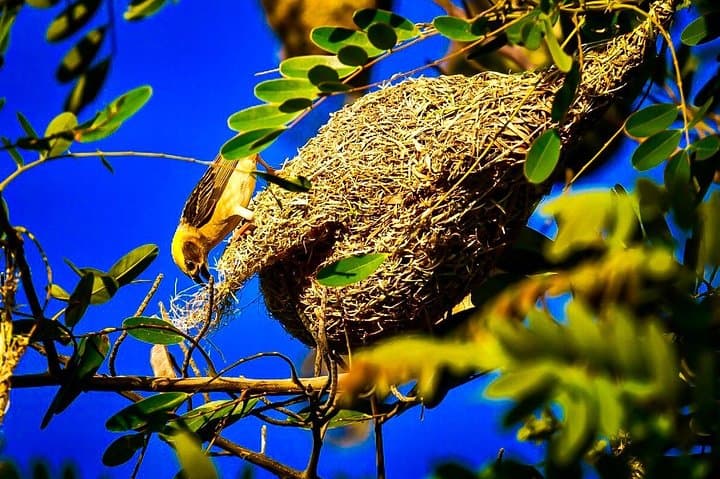
Spend a full day birding among Bagan’s ancient temples and dry forest. This private tour pairs archaeological scenery with targeted wildlife viewing—ideal for birders who want concentrated species encounters within walking distance of UNESCO-caliber monuments.
Spend a full day birding among Bagan’s ancient temples and dry forest. This private tour pairs archaeological scenery with targeted wildlife viewing—ideal for birders who want concentrated species encounters within walking distance of UNESCO-caliber monuments.
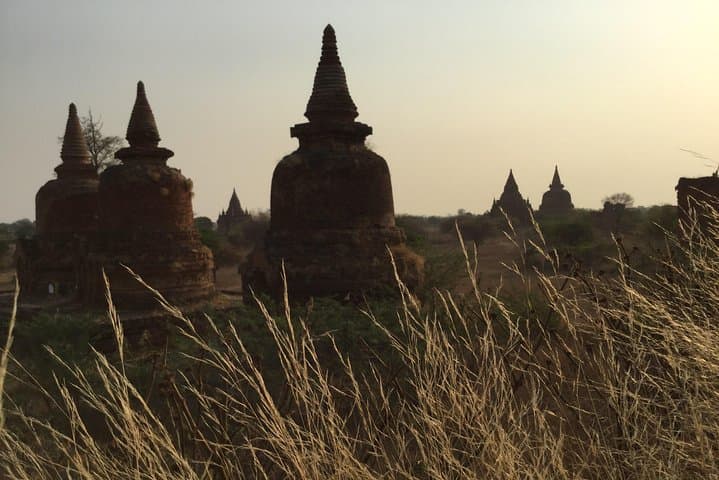
Dawn arrives over a low, ember sky and the pagodas of Bagan silhouette like quiet watchmen as you step into the dry forest. The day begins with a short drive from your hotel into open acacia stands and temple clearings where flocks move through scrub and ponds glint like scattered coins. Birds call from ruined terraces and irrigation channels, each note an invitation to scan temple roofs, reeds, and riverbanks.
Verified experiences and guided adventures in the surrounding area.
Operated by Bagan Explorer · Nyaung-U, Mandalay Region
Dawn arrives over a low, ember sky and the pagodas of Bagan silhouette like quiet watchmen as you step into the dry forest. The day begins with a short drive from your hotel into open acacia stands and temple clearings where flocks move through scrub and ponds glint like scattered coins. Birds call from ruined terraces and irrigation channels, each note an invitation to scan temple roofs, reeds, and riverbanks.
Bagan’s landscape is as much human-made as natural: between the 9th and 13th centuries monarchs raised thousands of stupas and temples on an ancient alluvial plain. The geology is recent riverine sediment from the Irrawaddy, which created a flat, open habitat favored by waders and raptors. Local culture remains closely tied to these monuments; monks still walk the same paths birds use for nesting.
Expect an observational day: fieldcraft, a steady pair of binoculars, and patience will turn quixotic calls into identified species. The route typically stitches temple ruins with nearby wetlands and acacia copses—habitats that host open-country species often absent in dense forest.
Practicalities: this private, full-day outing runs about eight hours with hotel pickup in New Bagan, Old Bagan, or Nyaung-U. Wear breathable layers, sun protection, and sturdy walking shoes for uneven temple terraces. Bring water, snacks (provided), and moderate fitness—several short walks and some uneven terrain. Respect temple rules, avoid trampling vegetation or disturbing nests, and carry small local cash for donations or incidentals. With a guide who knows seasonal movements, this one-day tour delivers concentrated birdwatching within one of Southeast Asia’s most remarkable archaeological landscapes.
moderate.
8 hours.
Moderate fitness—able to walk several short stretches over uneven temple grounds and shallow trails throughout the day
Yes — private transportation picks up and drops off at hotels in New Bagan, Old Bagan, and Nyaung-U.
The cool, dry season (November–February) typically offers the most comfortable conditions and clearer visibility for birding.
The tour is private and moderately paced; children and older travelers in reasonable health can join, but those with serious mobility or cardiovascular conditions should avoid it.
Yes—routes weave temple clearings with acacia groves and wetlands, so archaeological sights are a continuous backdrop to birding.
Bagan was the capital of several early Burmese kingdoms from the 9th to 13th centuries; many temples survive on an alluvial plain shaped by the Irrawaddy.
Respect temple grounds and wetland margins to protect nesting birds; avoid off-trail walking and leave no trace to help conserve sensitive habitats.
Bagan Explorer operates guided outdoor trips and adventures with an emphasis on safety, stewardship, and memorable experiences.

Dawn arrives over a low, ember sky and the pagodas of Bagan silhouette like quiet watchmen as you step into the dry forest. The day begins with a short drive from your hotel into open acacia stands and temple clearings where flocks move through scrub and ponds glint like scattered coins. Birds call from ruined terraces and irrigation channels, each note an invitation to scan temple roofs, reeds, and riverbanks.
Dawn arrives over a low, ember sky and the pagodas of Bagan silhouette like quiet watchmen as you step into the dry forest. The day begins with a short drive from your hotel into open acacia stands and temple clearings where flocks move through scrub and ponds glint like scattered coins. Birds call from ruined terraces and irrigation channels, each note an invitation to scan temple roofs, reeds, and riverbanks.
Bagan’s landscape is as much human-made as natural: between the 9th and 13th centuries monarchs raised thousands of stupas and temples on an ancient alluvial plain. The geology is recent riverine sediment from the Irrawaddy, which created a flat, open habitat favored by waders and raptors. Local culture remains closely tied to these monuments; monks still walk the same paths birds use for nesting.
Expect an observational day: fieldcraft, a steady pair of binoculars, and patience will turn quixotic calls into identified species. The route typically stitches temple ruins with nearby wetlands and acacia copses—habitats that host open-country species often absent in dense forest.
Practicalities: this private, full-day outing runs about eight hours with hotel pickup in New Bagan, Old Bagan, or Nyaung-U. Wear breathable layers, sun protection, and sturdy walking shoes for uneven temple terraces. Bring water, snacks (provided), and moderate fitness—several short walks and some uneven terrain. Respect temple rules, avoid trampling vegetation or disturbing nests, and carry small local cash for donations or incidentals. With a guide who knows seasonal movements, this one-day tour delivers concentrated birdwatching within one of Southeast Asia’s most remarkable archaeological landscapes.