THE ADVENTURE COLLECTIVE® · Independent discovery and booking for outdoor travel

Walk among thousands of temples on the Bagan plain, then climb toward the palm-covered slopes of Mount Popa to see traditional palm-sugar production. This two-day private tour pairs archaeology, living crafts, and clear practical tips for a culturally respectful visit.
Walk among thousands of temples on the Bagan plain, then climb toward the palm-covered slopes of Mount Popa to see traditional palm-sugar production. This two-day private tour pairs archaeology, living crafts, and clear practical tips for a culturally respectful visit.
Dust rises in the morning as a lone horse cart moves across the flat, ochre plain — the spires and stupas of Bagan puncture the skyline like an ancient skyline of stone sentries. You start among red-brick terraces and carved doorways, fingers tracing centuries of soot and lime, then drive toward the volcanic silhouette of Mount Popa where palms rustle and smoke from palm-sugar fires curls into the air.
Verified experiences and guided adventures in the surrounding area.
Operated by Gorgeous Bagan Travel & Day Tour · Nyaung-U, Mandalay Region
Dust rises in the morning as a lone horse cart moves across the flat, ochre plain — the spires and stupas of Bagan puncture the skyline like an ancient skyline of stone sentries. You start among red-brick terraces and carved doorways, fingers tracing centuries of soot and lime, then drive toward the volcanic silhouette of Mount Popa where palms rustle and smoke from palm-sugar fires curls into the air.
Bagan was the capital of the Pagan Kingdom from the 9th to 13th centuries; its 2,500-plus monuments record a shift from wooden buildings to stuccoed brick and painted murals. Geologically, the plain sits on alluvial deposits, while Mount Popa is the eroded plug of an extinct volcano crowned by Taung Kalat monastery — a cultural focal point for Nat worship and local craft traditions.
Culturally the tour mixes temple visits with living practices: watch lacquer-ware artisans and observe palm-sugar production from tapping to boiling. Expect step climbs, narrow temple galleries, and close encounters with mural work and Buddha images.
Practical guidance: start early to avoid mid-day heat, wear respectful, lightweight clothing that covers shoulders and knees, and carry sun protection and plenty of water. Many temples restrict shoes or require small donations; follow local signage and your guide. Time your visit around sunrise or late afternoon for directional light and cooler temperatures. The experience pairs history and hands-on craft demonstrations with straightforward logistics — suitable for travelers comfortable on uneven steps and long days of walking.
challenging.
2 days (approx).
Good aerobic fitness and comfortable mobility for climbing temple steps and walking on uneven ground
Yes. The Bagan Archaeological Zone has an entrance permit fee collected at checkpoints—your guide or operator typically handles purchase or will advise on entry points.
Mount Popa is a short drive from Bagan followed by a climb of a few hundred steps to Taung Kalat monastery; the climb is steep but manageable for most fit travelers.
Many temple interiors require shoe removal; some platforms allow shoes. Follow signage and your guide's instructions to protect historic interiors.
The tour involves stair climbs and uneven ground; it's suitable for children and older travelers only if they have good mobility—consult the operator about mobility needs.
Bagan was the political and religious center of the Pagan Kingdom (9th–13th centuries); its temple building boom created the dense archaeological landscape seen today.
Many temples have been restored following earthquakes; visitors should avoid climbing fragile structures, follow designated paths, and support local conservation fees to fund preservation.
Gorgeous Bagan Travel & Day Tour operates guided outdoor trips and adventures with an emphasis on safety, stewardship, and memorable experiences.
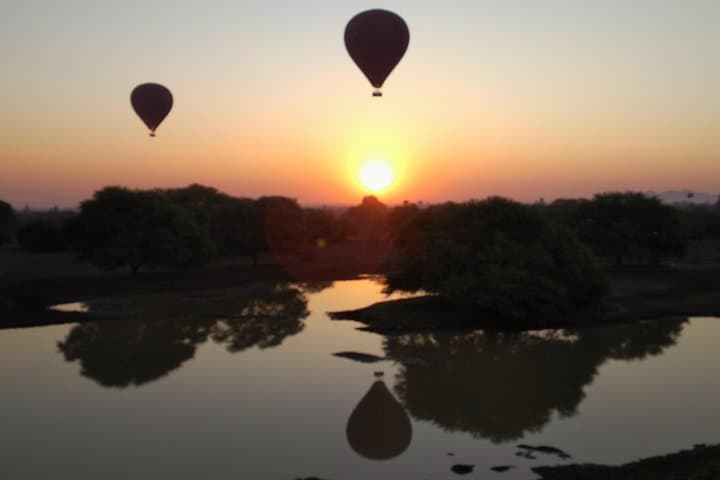
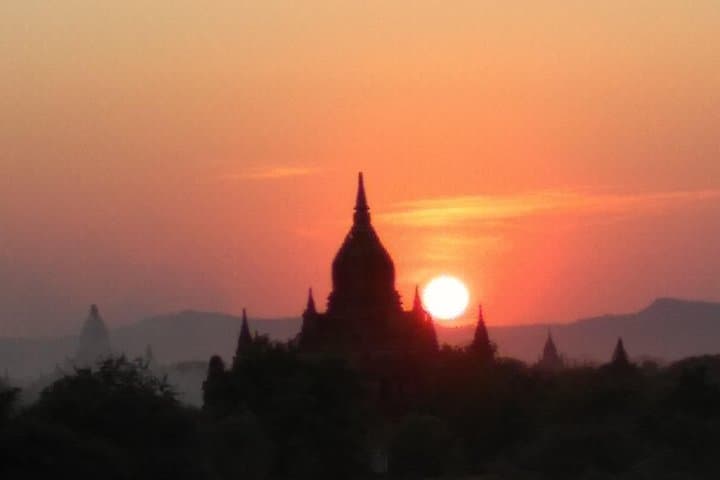
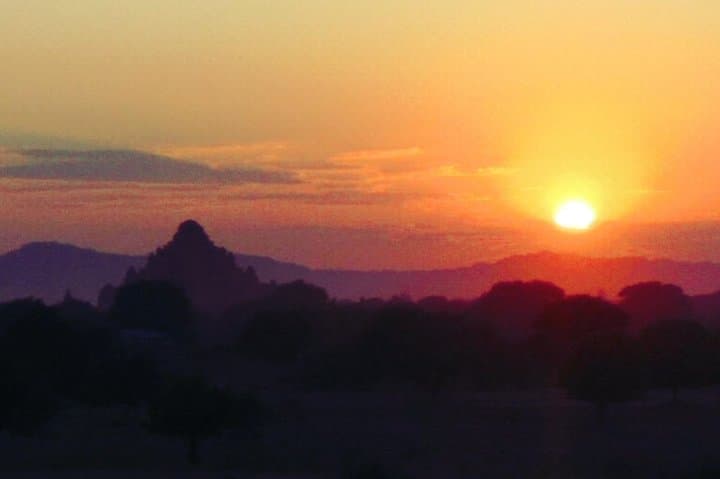
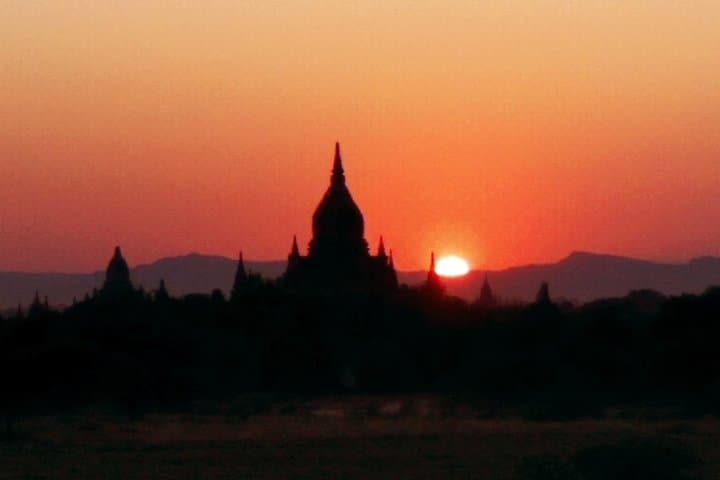
Dust rises in the morning as a lone horse cart moves across the flat, ochre plain — the spires and stupas of Bagan puncture the skyline like an ancient skyline of stone sentries. You start among red-brick terraces and carved doorways, fingers tracing centuries of soot and lime, then drive toward the volcanic silhouette of Mount Popa where palms rustle and smoke from palm-sugar fires curls into the air.
Dust rises in the morning as a lone horse cart moves across the flat, ochre plain — the spires and stupas of Bagan puncture the skyline like an ancient skyline of stone sentries. You start among red-brick terraces and carved doorways, fingers tracing centuries of soot and lime, then drive toward the volcanic silhouette of Mount Popa where palms rustle and smoke from palm-sugar fires curls into the air.
Bagan was the capital of the Pagan Kingdom from the 9th to 13th centuries; its 2,500-plus monuments record a shift from wooden buildings to stuccoed brick and painted murals. Geologically, the plain sits on alluvial deposits, while Mount Popa is the eroded plug of an extinct volcano crowned by Taung Kalat monastery — a cultural focal point for Nat worship and local craft traditions.
Culturally the tour mixes temple visits with living practices: watch lacquer-ware artisans and observe palm-sugar production from tapping to boiling. Expect step climbs, narrow temple galleries, and close encounters with mural work and Buddha images.
Practical guidance: start early to avoid mid-day heat, wear respectful, lightweight clothing that covers shoulders and knees, and carry sun protection and plenty of water. Many temples restrict shoes or require small donations; follow local signage and your guide. Time your visit around sunrise or late afternoon for directional light and cooler temperatures. The experience pairs history and hands-on craft demonstrations with straightforward logistics — suitable for travelers comfortable on uneven steps and long days of walking.