THE ADVENTURE COLLECTIVE® · Independent discovery and booking for outdoor travel

Trace the Chalukya dynasty across three UNESCO-worthy sites on a full-day circuit from Hospet. This day tour combines cliff-cut cave temples, painted sanctuaries, and architectural masterpieces with practical tips for a long, active day in red sandstone country.
Trace the Chalukya dynasty across three UNESCO-worthy sites on a full-day circuit from Hospet. This day tour combines cliff-cut cave temples, painted sanctuaries, and architectural masterpieces with practical tips for a long, active day in red sandstone country.
Morning light hits the red sandstone ridges around Lake Agastya as the vehicle pulls into Badami; stairways carved into cliff faces seem to wait for the first footsteps. You begin on steep rock steps that lead into cool, shadowed cave temples where sculpted gods watch visitors pass.
Verified experiences and guided adventures in the surrounding area.
Operated by SITA World Tours · Badami, Karnataka
Morning light hits the red sandstone ridges around Lake Agastya as the vehicle pulls into Badami; stairways carved into cliff faces seem to wait for the first footsteps. You begin on steep rock steps that lead into cool, shadowed cave temples where sculpted gods watch visitors pass.
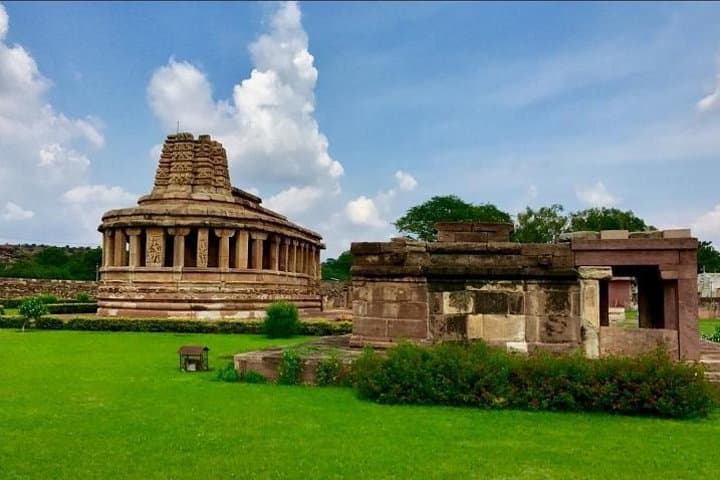
The route reads like a chapter of South Indian history. These towns were the heartland of the Chalukya dynasty (6th–12th centuries), a period when stone carving and temple design advanced rapidly. Geology shapes the experience: soft sandstone sculpts easily into the deep bas-reliefs and painted ceilings you’ll see at Ravana Phadi and the Meguti hill shrine in Aihole.
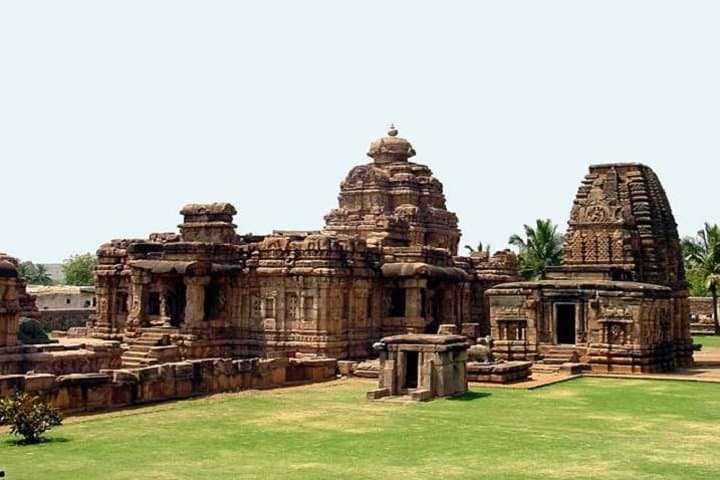
Culturally, this circuit mixes Hindu, Jain and Buddhist influences; Pattadakal’s Virupaksha temple is a deliberate fusion of northern and southern architectural languages—an open argument in stone about style and power.
Practical guidance is straightforward. Expect a long day on foot and in the car—drives between towns run one to three hours. Wear sturdy walking shoes for uneven rock steps and plan for sun and dust: bring sun protection and at least 1.5 liters of water for active visits. Respect temple dress codes—cover shoulders and knees—and move quietly inside sanctified spaces. Photographs are allowed in many areas but avoid flash near fragile paintings. Guides add context to inscriptions and iconography; use one to decode the carvings and to steer clear of fragile features.
By late afternoon, the heat softens and the carved faces along pathways take on a warm, ochre glow—an apt close to a day that pairs geology, history and patient craftsmanship.
moderate.
Approximately 12 hours.
Moderate fitness for extended walking, climbing stairs and short hikes over uneven ground
Most organized tours include basic admission for the main heritage sites; confirm with the operator before booking and carry cash for any extras.
Plan for several short climbs and stairways within cave temples and temple platforms—moderate mobility is required to access key viewpoints.
Children can enjoy the visual details but long drives and stairs may be tiring; older travelers with mobility limitations should check accessibility and consider a private vehicle for closer drop-offs.
Photography is generally allowed in open areas, but avoid flash around fragile paintings and follow signage or guide instructions inside sanctified chambers.
Badami, Aihole and Pattadakal were core sites of the Chalukya dynasty (6th–12th centuries), where patronage produced advances in stone carving and hybrid temple architecture.
These fragile sites are vulnerable to erosion and visitor wear—avoid touching carvings, use marked paths and minimize plastic waste to help preservation.
SITA World Tours operates guided outdoor trips and adventures with an emphasis on safety, stewardship, and memorable experiences.
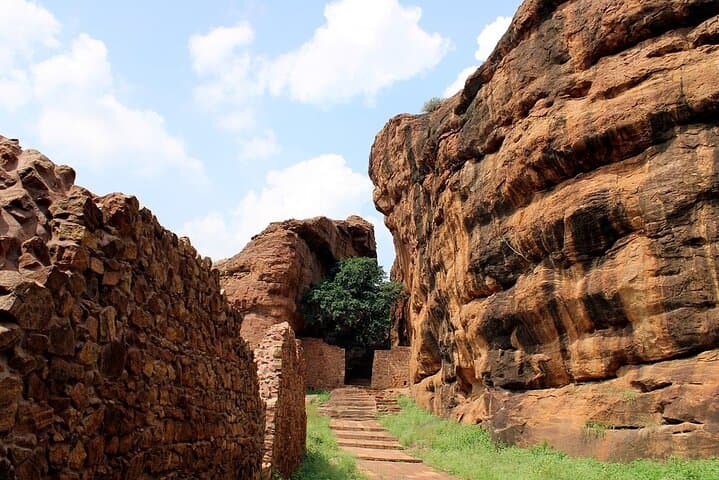
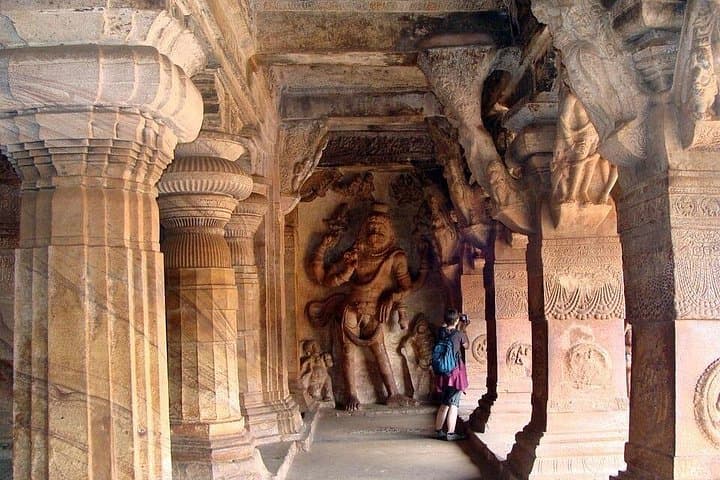
Morning light hits the red sandstone ridges around Lake Agastya as the vehicle pulls into Badami; stairways carved into cliff faces seem to wait for the first footsteps. You begin on steep rock steps that lead into cool, shadowed cave temples where sculpted gods watch visitors pass.
Morning light hits the red sandstone ridges around Lake Agastya as the vehicle pulls into Badami; stairways carved into cliff faces seem to wait for the first footsteps. You begin on steep rock steps that lead into cool, shadowed cave temples where sculpted gods watch visitors pass.
The route reads like a chapter of South Indian history. These towns were the heartland of the Chalukya dynasty (6th–12th centuries), a period when stone carving and temple design advanced rapidly. Geology shapes the experience: soft sandstone sculpts easily into the deep bas-reliefs and painted ceilings you’ll see at Ravana Phadi and the Meguti hill shrine in Aihole.
Culturally, this circuit mixes Hindu, Jain and Buddhist influences; Pattadakal’s Virupaksha temple is a deliberate fusion of northern and southern architectural languages—an open argument in stone about style and power.
Practical guidance is straightforward. Expect a long day on foot and in the car—drives between towns run one to three hours. Wear sturdy walking shoes for uneven rock steps and plan for sun and dust: bring sun protection and at least 1.5 liters of water for active visits. Respect temple dress codes—cover shoulders and knees—and move quietly inside sanctified spaces. Photographs are allowed in many areas but avoid flash near fragile paintings. Guides add context to inscriptions and iconography; use one to decode the carvings and to steer clear of fragile features.
By late afternoon, the heat softens and the carved faces along pathways take on a warm, ochre glow—an apt close to a day that pairs geology, history and patient craftsmanship.