THE ADVENTURE COLLECTIVE® · Independent discovery and booking for outdoor travel

Spend a full day exploring the Badaling section of the Great Wall with a guide, combining panoramic ridge walks, Ming-era history, and practical tips for timing, gear, and crowd management. This guide helps you plan the logistics so you can focus on the view.
Spend a full day exploring the Badaling section of the Great Wall with a guide, combining panoramic ridge walks, Ming-era history, and practical tips for timing, gear, and crowd management. This guide helps you plan the logistics so you can focus on the view.
You step out of a quiet Beijing hotel into a cool morning and the driver guides you north through ring roads, the city falling away as hills sharpen into the Yan Mountains. The Badaling section of the Great Wall rises ahead—stone steps and crenellated towers cutting a hard line across the skyline—inviting steady, deliberate legs and eyes tuned for distance.
Verified experiences and guided adventures in the surrounding area.
Operated by Friendly China Heritage Tours · Beijing, Beijing
You step out of a quiet Beijing hotel into a cool morning and the driver guides you north through ring roads, the city falling away as hills sharpen into the Yan Mountains. The Badaling section of the Great Wall rises ahead—stone steps and crenellated towers cutting a hard line across the skyline—inviting steady, deliberate legs and eyes tuned for distance.
Badaling is a Ming Dynasty reconstruction on older routes, restored to defend the imperial heartland; today it’s where ancient military engineering meets modern tourism. The wall rides the mountain crest because the local geology—resistant granite ridges and steep slopes—made the line both defensible and visible for miles. Nearby, a small museum maps the wall’s long repairs and the politics that shaped its current profile.
Culturally it’s a public stage: vendors and visitors mingle, and Mandarin, English and regional dialects blend near the gates. For quieter moments, walk beyond the main plazas toward the upper watchtowers where the crowd thins and wind seems to push you along the ridge.
Practical guidance: plan a full day—expect 7–8 hours including transfer. Start early to beat buses, wear grippy shoes for steep, uneven stone steps, and carry at least 2 liters of water; bottled water is available but more expensive at the site. Weather changes fast on the ridge—bring layered clothing and sun protection. Mobility-impaired travelers should note the restored sections include steep flights and many steps; assistance or shorter route options can be arranged through tour operators. With sensible pacing, Badaling delivers both panorama and a tangible sense of history.
moderate.
7–8 hours.
Moderately fit—comfortable walking ability for repeated stair climbs and uneven surfaces for several hours.
Yes—this full-day private tour includes admission tickets to Badaling as listed in the inclusions.
Expect about 1.5–2 hours each way from central Beijing depending on traffic and your pickup location within the 5th Ring.
Restored sections have many steep steps and limited ramps; travelers with mobility issues should check accessibility options with the operator before booking.
Weekday mornings, especially early arrivals, reduce crowding; national holidays and weekends are busiest.
Badaling was heavily rebuilt during the Ming Dynasty and has been a focus of modern restoration and tourism; it also serves as a showcase for the wall’s defensive architecture.
Visitor management reduces erosion on restored pathways—stay on designated routes, avoid climbing parapets, and dispose of waste responsibly to protect the structure.
Friendly China Heritage Tours operates guided outdoor trips and adventures with an emphasis on safety, stewardship, and memorable experiences.
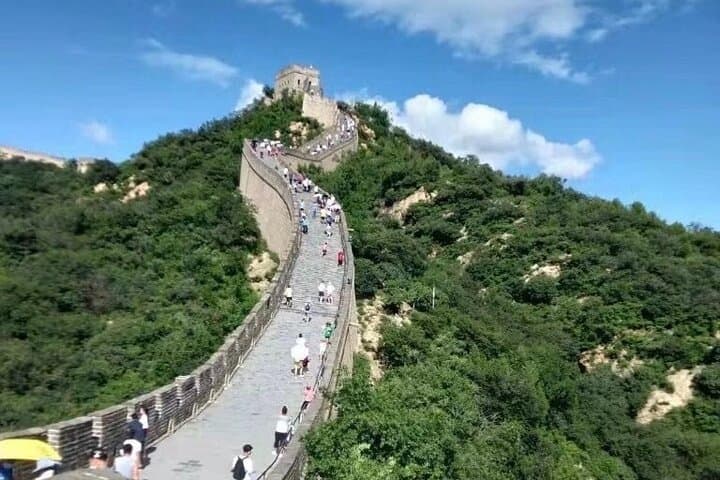

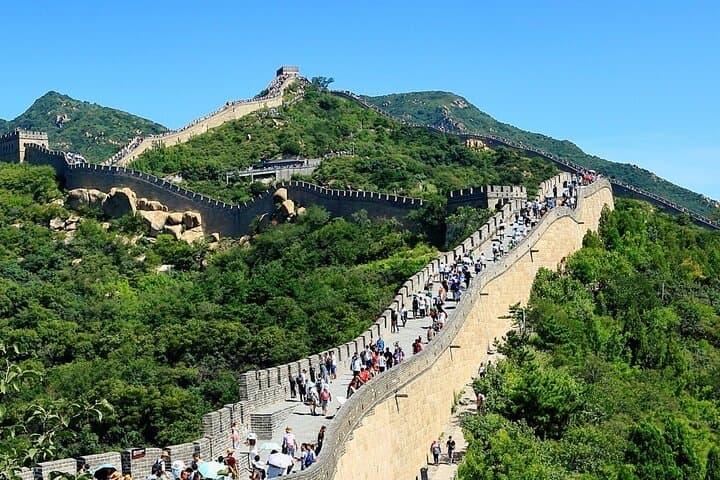
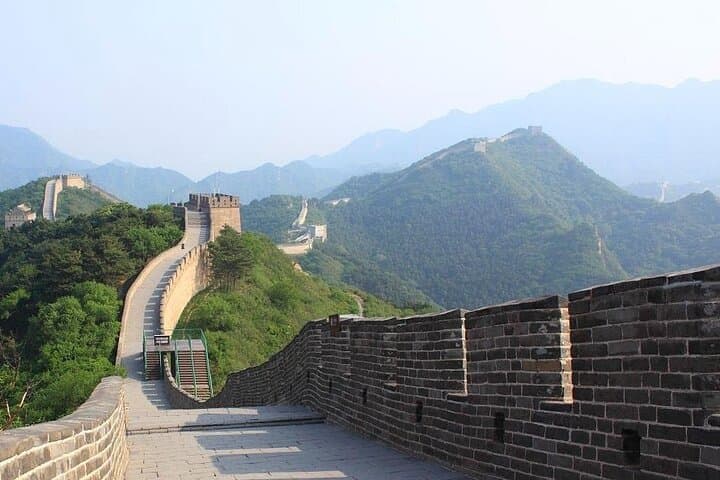
You step out of a quiet Beijing hotel into a cool morning and the driver guides you north through ring roads, the city falling away as hills sharpen into the Yan Mountains. The Badaling section of the Great Wall rises ahead—stone steps and crenellated towers cutting a hard line across the skyline—inviting steady, deliberate legs and eyes tuned for distance.
You step out of a quiet Beijing hotel into a cool morning and the driver guides you north through ring roads, the city falling away as hills sharpen into the Yan Mountains. The Badaling section of the Great Wall rises ahead—stone steps and crenellated towers cutting a hard line across the skyline—inviting steady, deliberate legs and eyes tuned for distance.
Badaling is a Ming Dynasty reconstruction on older routes, restored to defend the imperial heartland; today it’s where ancient military engineering meets modern tourism. The wall rides the mountain crest because the local geology—resistant granite ridges and steep slopes—made the line both defensible and visible for miles. Nearby, a small museum maps the wall’s long repairs and the politics that shaped its current profile.
Culturally it’s a public stage: vendors and visitors mingle, and Mandarin, English and regional dialects blend near the gates. For quieter moments, walk beyond the main plazas toward the upper watchtowers where the crowd thins and wind seems to push you along the ridge.
Practical guidance: plan a full day—expect 7–8 hours including transfer. Start early to beat buses, wear grippy shoes for steep, uneven stone steps, and carry at least 2 liters of water; bottled water is available but more expensive at the site. Weather changes fast on the ridge—bring layered clothing and sun protection. Mobility-impaired travelers should note the restored sections include steep flights and many steps; assistance or shorter route options can be arranged through tour operators. With sensible pacing, Badaling delivers both panorama and a tangible sense of history.